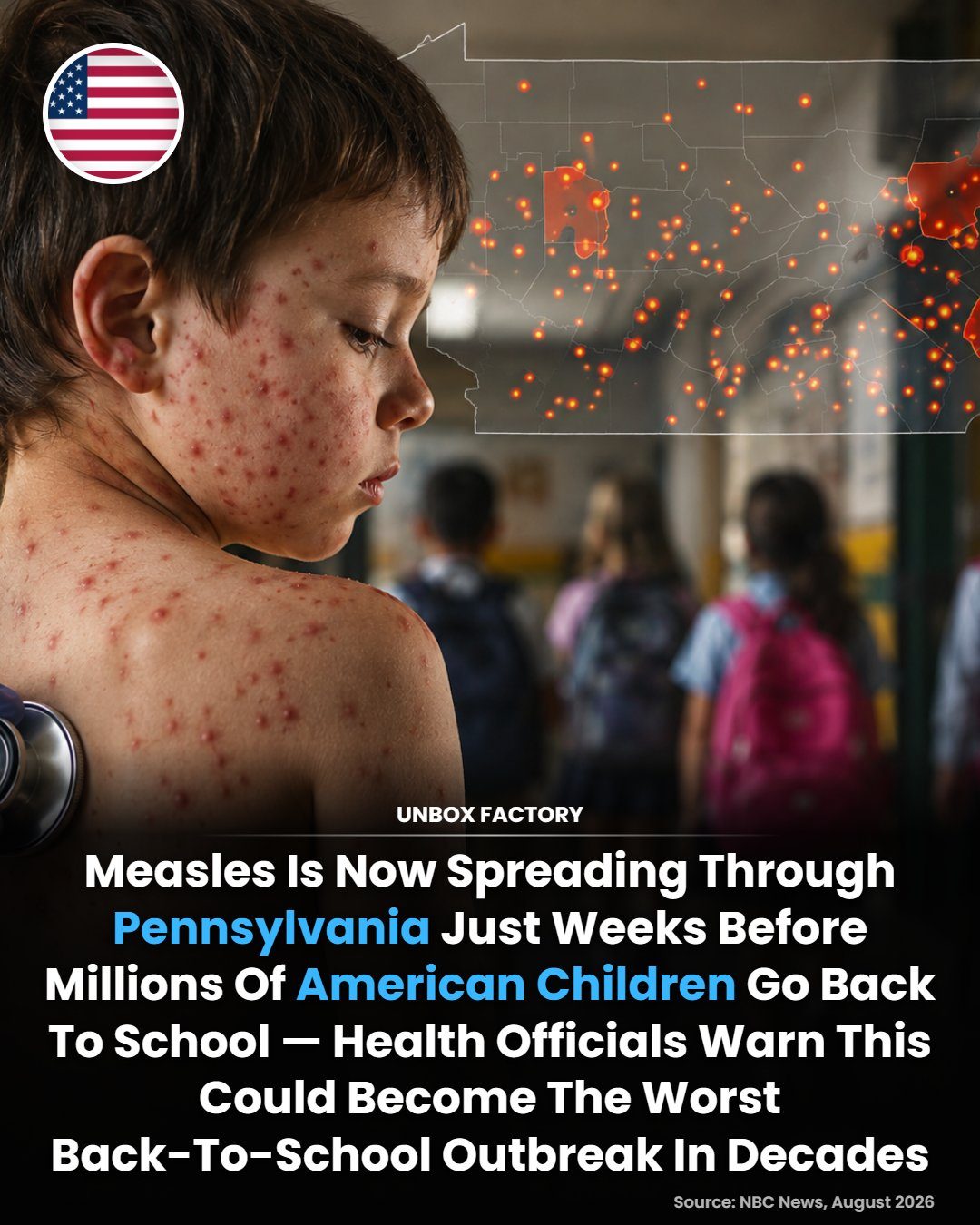
Measles Outbreak Warning: What Parents and Schools Need to Know
Measles, a highly contagious virus, is currently spreading in Pennsylvania. This warning comes just weeks before millions of American children return to school, raising concerns about a potential back-to-school outbreak. This could be the worst outbreak in decades.
Measles has a high transmission rate, making it one of the most contagious viruses in the world. An infected individual can spread the disease to 12-18 unvaccinated people. One of the alarming aspects of measles is its ability to remain suspended in the air for up to two hours after an infected person leaves a room, increasing the risk of infection in enclosed spaces like classrooms.
This outbreak is particularly concerning as it coincides with the start of the school year. Classroom settings, where children are in close contact for extended periods, can accelerate the spread of the virus, especially if vaccination coverage is insufficient. Health officials are urging parents and guardians to ensure their children are up-to-date with routine immunizations.
Why This Matters
Measles is not just a disease of the past. The virus remains a threat, and outbreaks can occur when vaccination rates drop. The current situation in Pennsylvania underscores the importance of vaccination and vigilance, especially as children return to school.
Context
Measles is a highly contagious viral infection that can cause serious health complications, including encephalitis, pneumonia, and even death in severe cases. Symptoms typically include a high fever, cough, runny nose, and red, watery eyes, followed by a characteristic rash. The virus spreads through respiratory droplets when an infected person coughs or sneezes.
According to the Centers for Disease Control and Prevention (CDC), measles is so contagious that if one person has it, 90% of the people close to that person who are not immune will also become infected. This makes measles a significant public health concern, especially in environments where large groups of people gather, such as schools.
Vaccination: The Best Defense
The primary defense against measles is vaccination. The MMR (Measles, Mumps, and Rubella) vaccine provides about 97% protection against measles when two doses are administered. This is why routine childhood immunizations are crucial. Health authorities continue to encourage parents to follow the recommended vaccination schedule to protect their children and the wider community.
Understanding the MMR Vaccine
The MMR vaccine is a safe and effective way to prevent measles, mumps, and rubella. It is typically administered in two doses: the first between 12 and 15 months of age, and the second between 4 and 6 years of age. The vaccine works by stimulating the immune system to produce antibodies that protect against these diseases.
Ensuring Vaccination Coverage
High vaccination coverage is essential for community immunity, also known as herd immunity. This occurs when a sufficient proportion of a community is immune to an infectious disease, making the spread of disease from person to person unlikely, even among those who are not vaccinated. To achieve herd immunity against measles, at least 95% of the population needs to be vaccinated.
Practical Tips for Parents and Schools
Given the current outbreak, parents and schools should take the following steps to protect children:
For Parents
- Check Vaccination Records: Ensure your child has received both doses of the MMR vaccine. If not, schedule an appointment with your healthcare provider to get them vaccinated as soon as possible.
- Stay Informed: Keep up-to-date with the latest information from health officials and follow their recommendations.
- Watch for Symptoms: Be aware of the symptoms of measles and seek medical attention if your child shows any signs of the disease.
For Schools
- Promote Vaccination: Encourage parents to ensure their children are up-to-date with vaccinations. Schools can send reminders and provide information on where to get vaccinated.
- Enforce Health Protocols: Implement and reinforce health protocols, including regular handwashing, staying home when sick, and keeping the school environment clean.
- Stay Informed and Communicate: Keep staff and parents informed about the outbreak and any measures being taken to prevent the spread of measles. Open communication is key to maintaining a safe school environment.
Important Takeaways
- Measles is highly contagious: One infected person can spread the disease to 12-18 unvaccinated people.
- Vaccination is crucial: The MMR vaccine provides about 97% protection against measles when two doses are administered.
- Community immunity matters: High vaccination coverage is essential for protecting the community, especially during outbreaks.
- Stay vigilant: Parents and schools should take proactive steps to ensure vaccination coverage and follow health guidelines.
Conclusion
The measles outbreak in Pennsylvania serves as a reminder of the importance of vaccination and vigilance. As children return to school, it is crucial for parents and schools to work together to ensure high vaccination coverage and follow health guidelines. By taking these steps, we can protect our children and communities from the spread of measles.
Watch the Reel
Questions readers ask
What makes measles so contagious in school settings?
Measles is highly contagious in schools due to its ability to spread through the air and remain infectious for up to two hours in an enclosed space. Close contact among students and shared spaces increase the risk of transmission.
Why are Pennsylvania health officials concerned about the timing of this outbreak?
Pennsylvania health officials are concerned because the outbreak coincides with the start of the school year, when millions of children will be in close contact with each other, potentially accelerating the spread of the virus.
What are the key symptoms of measles that parents should be aware of?
Measles symptoms typically include a high fever, cough, runny nose, red eyes, and a characteristic rash that spreads from the face to the rest of the body. These symptoms usually appear 10-14 days after exposure to the virus.
What steps can schools take to mitigate the risk of a measles outbreak?
Schools can take several steps to mitigate the risk, including verifying that all students have up-to-date vaccinations, encouraging good hygiene practices, and promoting awareness among students, parents, and staff about the signs and risks of measles.
How long can measles remain infectious in a classroom?
Measles virus can remain suspended in the air and infectious for up to two hours after an infected person leaves the room, making it crucial for schools to implement thorough cleaning and ventilation practices.
What should parents do if they suspect their child has measles?
If parents suspect their child has measles, they should immediately contact their healthcare provider for guidance. It is essential to keep the child home from school and avoid public places to prevent the spread of the virus.
Related deep dives
Similar reads based on topic and creator.




Recent articles
Fresh deep dives from the latest Reels we unpacked.




Comments
Be the first to comment.