The Truth About McDonald's and the Human Meat Hoax
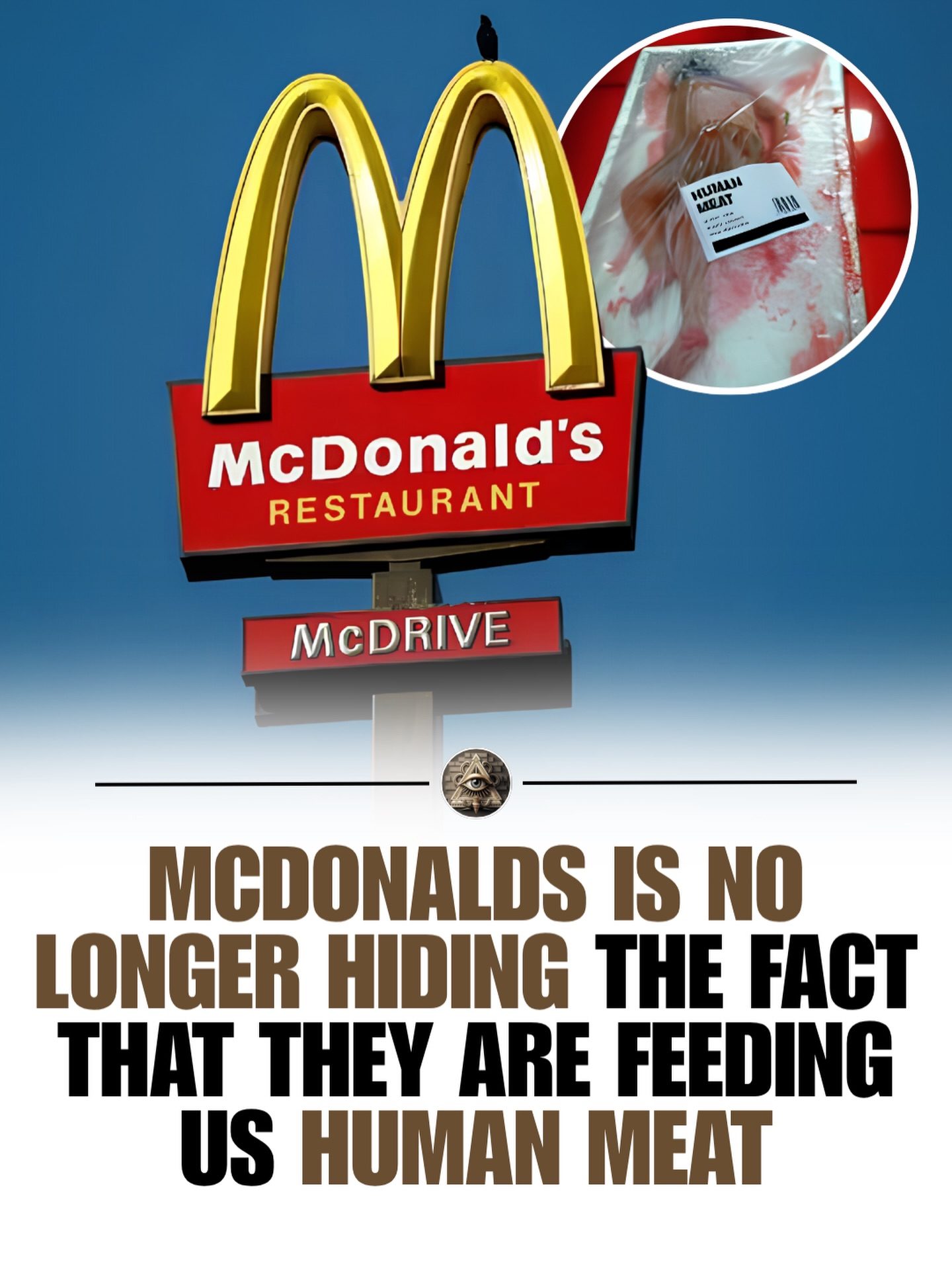
The McDonald's "human meat" hoax has circulated widely, claiming that the fast-food giant has been secretly using human flesh in their food products. This sensational accusation has sparked debates and raised eyebrows, but it's essential to separate fact from fiction. The hoax involves a photograph of a vacuum-sealed package allegedly found in McDonald's supply chain, bearing the label "HUMAN MEAT."
Behind the Hoax
The hoax begins with a striking image of what appears to be a vacuum-sealed package, complete with a barcode and a label clearly stating "HUMAN MEAT." This image is often presented as evidence of a horrifying secret supply chain, where McDonald's supposedly sources its meat. However, a closer examination reveals that this image is far from genuine. It is, in fact, a manufactured prop, likely created using Photoshop or AI, or purchased as a prank gag from online marketplaces like Etsy. In some cases, it may even be a prop from a low-budget horror movie.
The Origins of the Hoax
The origins of the hoax are murky, but it's clear that the image has been widely circulated on the internet for several years. The hoax often appears in social media posts and online forums, where it is repackaged as a fast-food conspiracy. The image is typically accompanied by a narrative that claims McDonald's has publicly admitted to feeding human meat to its customers, and that this horrifying truth has been exposed through a leaked photograph.
The Role of Social Media
Social media has played a significant role in the spread of this hoax. The image and accompanying narrative are often shared without verification, leading to widespread misinformation. The hoax preys on people's fears and suspicions about the food industry, encouraging them to share the story without checking the facts.
The Reality of McDonald's Supply Chain
To understand the truth behind the hoax, it's crucial to look at the reality of McDonald's global meat supply chain. The fast-food giant is subject to some of the most rigorous and heavily regulated food safety standards in the world. The U.S. Department of Agriculture (USDA) and the Food and Drug Administration (FDA) oversee the inspection and regulation of the meat supply chain. These agencies ensure that all meat products meet stringent safety and quality standards.
Rigorous Inspection and Tracking
McDonald's global meat supply chain is deeply tracked and monitored. Every step of the process, from sourcing to delivery, is subject to rigorous inspection and documentation. This system ensures that any issues or irregularities are quickly identified and addressed. The notion that McDonald's could secretively integrate human meat into its supply chain without being detected is simply not feasible.
Debunking the Hoax
The hoax can be debunked by examining the evidence and understanding the regulations that govern the food industry. The vacuum-sealed package with the "HUMAN MEAT" label is a clear fabrication, and there is no evidence to support the claim that it was ever part of McDonald's supply chain. The FDA and USDA have not seized such a product, and McDonald's has not made any public admissions about using human meat in their food products.
The Danger of Misinformation
The McDonald's "human meat" hoax highlights the dangers of misinformation in the digital age. False narratives, particularly those involving sensational claims, can spread rapidly and cause significant harm. In this case, the hoax exploits fears about the food industry, leading people to share the story without verifying the facts.
The Role of Critical Thinking
To combat misinformation, it's essential to cultivate a healthy dose of skepticism and critical thinking. When encountering sensational claims, it's important to verify the information from reliable sources. Checking the facts can help prevent the spread of false narratives and ensure that accurate information is shared.
Practical Tips for Spotting Hoaxes
To protect yourself from falling for hoaxes like the McDonald's "human meat" conspiracy, follow these practical tips:
- Verify the Source: Check the credibility of the source that posted the information. Look for signs of authenticity, such as verified accounts and reputable news outlets.
- Check the Facts: Use fact-checking websites like Snopes, FactCheck.org, or PolitiFact to verify the claims.
- Examine the Evidence: Look closely at any images or documents presented as evidence. Use reverse image search tools to trace the origin of the images.
- Consult Official Statements: Look for official statements from the companies or organizations mentioned in the hoax. Reliable sources will often address and debunk false claims.
Important Takeaways
The McDonald's "human meat" hoax serves as a stark reminder of the importance of critical thinking and fact-checking. The hoax preys on people's fears and suspicions, encouraging them to share misinformation without verifying the facts. By understanding the realities of the food industry and employing critical thinking, you can protect yourself from falling for such hoaxes.
Conclusion
The McDonald's "human meat" hoax is a clear example of how misinformation can spread rapidly in the digital age. By examining the evidence and understanding the regulations that govern the food industry, it's clear that the hoax is a fabricated narrative. To protect yourself from falling for such hoaxes, it's essential to verify the information from reliable sources and check the facts. By cultivating a healthy dose of skepticism and critical thinking, you can ensure that accurate information is shared.
Watch the Reel
Questions readers ask
How did the McDonald's human meat hoax start?
The McDonald's human meat hoax originated from a manipulated or fabricated image of a vacuum-sealed package labeled 'HUMAN MEAT.' The image was shared widely on social media, sparking a chain of conspiracy theories about the fast-food giant's supply chain. The exact origin of the image is unclear, but it has been used to fuel numerous rumors and pranks online.
Why is the McDonald's human meat hoax considered a manufactured conspiracy?
The McDonald's human meat hoax is considered a manufactured conspiracy because the image of the labeled package is not authentic. It is either a manipulated photo or a prop created for the sole purpose of deception. Additionally, there is no credible evidence or credible sources to back up any of the claims. The hoax is a product of the internet's ability to propagate misleading information.
What is the truth behind the vacuum-sealed package image?
The vacuum-sealed package image is a fabricated or manipulated prop. It is not an authentic McDonald's supply chain item. The package, along with the barcode and the label 'HUMAN MEAT,' was created to deceive and shock individuals. The image is often used to fuel the hoax and to further the conspiracy theory.
Has McDonald's addressed the human meat hoax?
While McDonald's has not publicly addressed the hoax directly, it is clear that the claims are entirely false. McDonald's, like all reputable food chains, must adhere to strict food safety and health regulations. The hoax is a clear example of misinformation and is meant to scare or shock individuals.
How can I recognize and avoid fast-food conspiracy theories like this one?
To recognize and avoid fast-food conspiracy theories, it's crucial to verify information with credible sources before sharing it. Be wary of sensational claims and manipulated images. Look for official statements from the companies involved and consider the potential motives behind the information.
What should I do if I encounter the McDonald's human meat hoax on social media?
If you encounter the McDonald's human meat hoax on social media, it's important not to share or engage with it. Instead, help debunk the hoax by sharing accurate information. Provide links to reliable sources that expose the hoax as a manufactured conspiracy and encourage others to do the same.
Are there other similar fast-food conspiracy theories out there?
Yes, there are numerous other fast-food conspiracy theories that circulate online. These theories often involve sensational claims about the ingredients used or the practices employed by fast-food chains. Examples include rumors about secret menus, unhealthy ingredients, or unethical practices. It is important to approach such claims with skepticism.
Related deep dives
Similar reads based on topic and creator.




Recent articles
Fresh deep dives from the latest Reels we unpacked.




Comments
Be the first to comment.