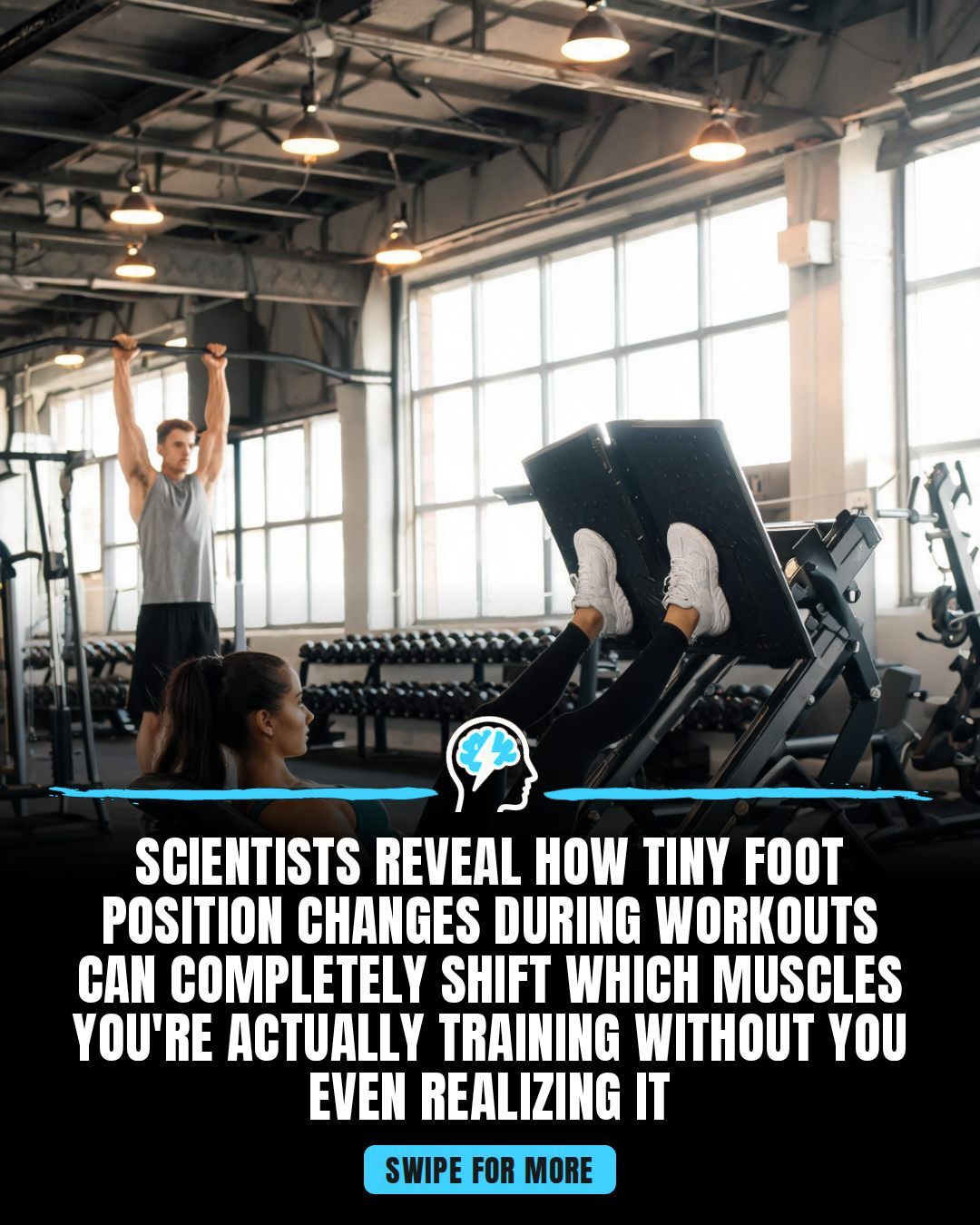
Foot Placement and Muscle Emphasis in Leg Press
The leg press machine is a staple in many fitness routines, but did you know that slight adjustments in foot placement can significantly impact which muscles are engaged? This is not about minor tweaks for the sake of novelty; it's about optimizing your workout for better results.
Why This Matters
Understanding how to adjust your foot placement on a leg press machine can help you target specific muscle groups more effectively. Whether you're aiming to build stronger quads, glutes, or hamstrings, or even inner and outer thighs, small changes can make a big difference. This knowledge allows you to tailor your leg press exercises to meet your fitness goals more efficiently.
Main Discussion
How Foot Placement Affects Muscle Emphasis
Foot placement on a leg press machine can shift the focus from one muscle group to another. Here’s a breakdown of how different foot positions affect muscle activation:
-
High Foot Placement: Placing your feet higher on the platform shifts the emphasis to your glutes and hamstrings. This position is ideal for those looking to build strength and size in these areas. The higher foot position forces your body to engage these muscles more, providing a more effective workout for the posterior chain.
-
Low Foot Placement: Positioning your feet lower on the platform emphasizes the quadriceps. This setup is perfect for those aiming to develop stronger, more defined quads. The lower foot position allows for a greater range of motion in the knees, which engages the quads more intensely.
-
Wide Stance: A wider stance on the leg press machine biases the inner thighs. This position can be beneficial for those looking to target and strengthen the adductors, which are often overlooked in standard leg workouts. The wide stance forces the inner thighs to stabilize the movement, leading to better activation.
-
Narrow Stance: A narrower stance on the leg press machine leans toward the outer quads. This position is great for those looking to develop the vastus lateralis, the muscle on the outer side of the thigh. The narrow stance places more stress on the outer quads, helping to build a more balanced and defined leg.
The Importance of Good Form, Progressive Overload, and Consistency
While adjusting foot placement can help target specific muscles, it’s crucial to remember that good form, progressive overload, and consistency are the foundation of effective training. These principles should always be your priority. Small tweaks, such as changing foot placement, can enhance your workout, but they won't replace the importance of these basics.
-
Good Form: Proper form is essential for maximizing the benefits of any exercise. It helps prevent injuries and ensures that the correct muscles are being targeted. Always focus on maintaining good form throughout your leg press workouts.
-
Progressive Overload: Progressive overload involves gradually increasing the stress placed on the muscles over time. This can be achieved by adding more weight, increasing the number of reps, or reducing rest times. Progressive overload is key to continuous muscle growth and strength gains.
-
Consistency: Consistency in your training routine is what compounds results over time. Showing up regularly and sticking to your workout plan is more important than any single tweak or adjustment. Consistency ensures that you continue to progress and see results from your efforts.
Practical Tips
Here are some practical tips to help you get the most out of your leg press workouts:
Positioning Your Feet
-
Experiment with Different Positions: Try out different foot placements to see which one feels most effective for your goals. Start with the basic positions and gradually adjust based on your comfort and the muscle groups you want to target.
-
Start with a Neutral Position: Begin with a neutral foot position (feet shoulder-width apart and centered on the platform). This allows you to get a baseline experience and gauge the impact of different positions more effectively.
-
Adjust Gradually: Make small, gradual adjustments to your foot placement. This helps you better understand the impact of each change and avoid strain or discomfort.
Incorporating Other Exercises
Beyond the leg press, incorporating other exercises can help you achieve a well-rounded leg workout. Here are a few examples:
-
Goblet Squats: Use a single dumbbell for goblet squats, which target the quads, glutes, and hamstrings. This exercise is great for those who don't have access to a full gym.
-
Romanian Deadlifts: This exercise focuses on the hamstrings and glutes, making it an excellent complement to the leg press.
-
Rows and Presses: Use a single dumbbell for rows and presses to work the major muscle groups in your back, shoulders, and arms. This versatile piece of equipment can help you achieve a full-body workout.
Training the Stretch
Research shows that training a muscle while it's lengthened can speed up growth. Here are a couple of exercises that take advantage of this principle:
-
Overhead Triceps Extensions: This exercise stretches the long head of the triceps more than pushdowns. Studies have shown significant growth benefits from this variation.
-
Seated Leg Curls: Seated leg curls beat lying leg curls for the same reason. They provide more time under tension in the stretched position, which can lead to greater muscle growth.
Important Takeaways
-
Foot Positioning on a Leg Press Machine: Adjusting your foot placement can significantly impact which muscles are engaged. Higher foot placement targets the glutes and hamstrings, while lower placement emphasizes the quads. A wider stance biases the inner thighs, and a narrower stance focuses on the outer quads.
-
Basics First: Good form, progressive overload, and consistency are the cornerstones of effective training. Small adjustments, like changing foot placement, can enhance your workout, but they should not replace these fundamental principles.
-
Versatile Workouts: Incorporate other exercises like goblet squats, Romanian deadlifts, and rows to achieve a well-rounded leg workout. Additionally, exercises that train the stretch, such as overhead triceps extensions and seated leg curls, can speed up muscle growth.
Conclusion
Incorporating these foot placement adjustments into your leg press routine can help you target specific muscle groups more effectively. Remember, the key to seeing results lies in a combination of proper form, progressive overload, and consistency. By experimenting with different foot positions and maintaining good training habits, you can optimize your leg workouts and achieve your fitness goals more efficiently.
Watch the Reel
Questions readers ask
How does foot placement on a leg press affect muscle activation?
Foot placement on a leg press machine shifts the emphasis on different muscle groups. Higher foot placement targets the glutes and hamstrings more, while lower foot placement activates the quads. A wider stance can engage the inner thighs, and a narrower stance focuses more on the outer thighs and quads.
What is the best foot placement for targeting the glutes?
To emphasize the glutes, place your feet high on the leg press platform, closer to your hips. This position shifts the workload to the posterior chain, including the glutes and hamstrings. Ensure your knees stay behind your toes to maintain proper form and reduce stress on the knee joints.
How can I adjust my leg press to work my quads more effectively?
For a quad-focused workout, position your feet lower on the platform, closer to your ankles. Keeping your feet flat and using a medium to narrow stance can help isolate the quads. Maintain control of the weight throughout the movement, avoiding locking out your knees at the top of the motion.
What foot placement is ideal for working the inner thighs?
To target the inner thighs, use a wider stance with your toes pointed slightly outward. This position opens up your hips and allows for greater engagement of the inner thigh muscles. Ensure your knees stay in line with your toes to avoid unnecessary strain on the knee joints.
Should I change my foot placement every workout, or maintain consistency?
Consistency is key in tracking progress, but varying your foot placement can help target different muscle groups and prevent plateaus. Aim to maintain consistency within a workout or specific phase of training, but feel free to change foot placements between workouts or routines to maximize overall development.
How does the bench setting on a leg press affect the muscles worked?
Adjusting the bench settings can alter the range of motion and muscle emphasis. A more upright bench position can shift the focus to the quads, while a more reclined position can engage the glutes and hamstrings more effectively. Experiment with different bench settings to find what works best for your goals and comfort levels.
What are some common leg press variations for targeting specific muscles?
Variations include high foot placement for glutes and hamstrings, low foot placement for quads, wide stance for inner thighs, and narrow stance for outer thighs and quads. You can also experiment with single-leg presses for unilateral development and stability work, or using different foot angles to target specific muscle fibers.
Recent articles
Fresh deep dives from the latest Reels we unpacked.




Comments
Be the first to comment.