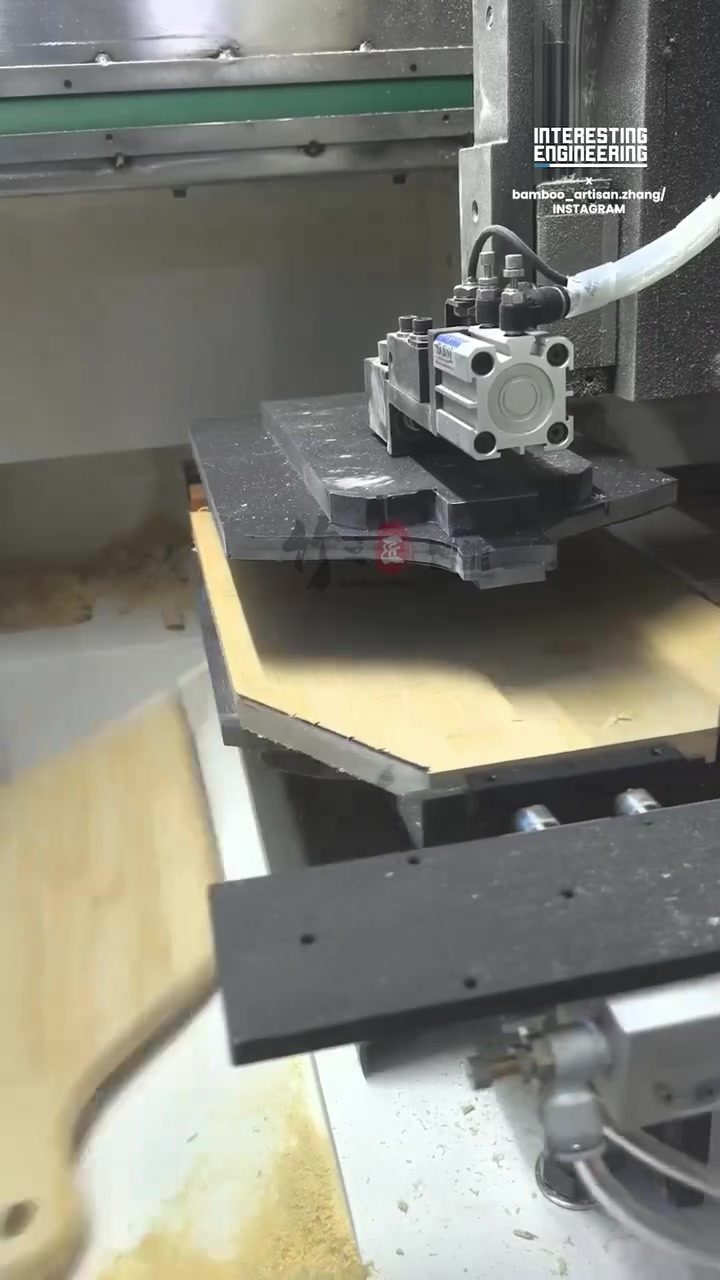
CNC Milling: Precision Woodworking with Minimal Manual Effort
CNC (Computer Numerical Control) milling machines have revolutionized the woodworking industry by offering unmatched precision and consistency. These machines excel at transforming raw wood into intricate shapes with minimal manual intervention, making them ideal for both small-scale artisan work and large-scale manufacturing.
Why This Matters
CNC milling machines are pivotal in modern manufacturing due to their ability to deliver high precision and consistency. They automate the process of cutting and shaping materials, reducing the need for manual labor and increasing efficiency. This capability is particularly valuable in industries where intricate designs and exact measurements are crucial, such as in furniture making, architectural modeling, and customized woodwork.
Main Discussion
The Process of CNC Milling
CNC milling involves using a computer-controlled machine to remove material from a workpiece. The process begins with a digital design, which is then translated into a set of numerical instructions that guide the machine's movements. The machine uses a rotating cutting tool to remove material from the wood, shaping it into the desired form with high precision. Throughout this process, the machine's automated controls ensure that the cuts are consistent, leading to a finished product that is both accurate and visually appealing.
The Role of the Rotating Cutting Tool
The rotating cutting tool is a critical component in CNC milling. This tool, often a drill bit or end mill, is responsible for removing material from the workpiece. The speed and direction of the tool's rotation, as well as the feed rate (the speed at which the tool moves through the material), are all controlled by the machine's programming. By carefully adjusting these parameters, the machine can create precise contours and intricate details with ease.
Material Removal and Wood Shavings
One of the most striking aspects of CNC milling is the process of material removal. As the cutting tool moves through the wood, it generates wood shavings, which accumulate on the work surface. This visualization of the milling process underscores the machine's efficiency and the precision with which it removes material to create the desired shape. The accumulation of shavings also highlights the importance of regular maintenance and cleanup to ensure that the machine continues to operate smoothly.
Consistency and Efficiency
One of the key advantages of CNC milling is its consistency. Once programmed, the machine can produce identical parts repeatedly without any variation in quality. This consistency is particularly valuable in manufacturing, where precise and repeatable results are essential. Additionally, the automation of the milling process reduces the need for manual labor, leading to increased efficiency and lower production costs.
Practical Tips
Choosing the Right CNC Machine
Selecting the right CNC milling machine depends on your specific needs and budget. For small-scale artisans, a desktop CNC machine might be sufficient, while larger manufacturing operations may require more robust, industrial-grade machines. Consider factors such as the size of the work area, the precision of the tooling, and the machine's compatibility with your existing software and tools.
Designing for CNC Milling
Effective design is crucial for successful CNC milling. Ensure that your digital designs are compatible with the machine's programming software and that they account for the material's properties and the tool's capabilities. Additionally, consider factors such as the size and shape of the workpiece, the depth of the cuts, and the overall complexity of the design. By carefully planning your designs, you can maximize the efficiency and precision of the milling process.
Maintenance and Safety
Proper maintenance is essential for keeping your CNC milling machine in optimal condition. Regularly inspect and clean the machine, checking for any signs of wear or damage. Replace worn-out parts as needed and ensure that all moving components are well-lubricated. Additionally, always follow safety protocols, including wearing appropriate protective gear and ensuring that the work area is clear of debris and other hazards.
Important Takeaways
CNC milling machines offer unparalleled precision and consistency in woodworking, making them invaluable for both artisans and manufacturers. By automating the cutting and shaping process, these machines reduce the need for manual labor, increase efficiency, and produce high-quality results. Understanding the process, choosing the right machine, and maintaining it properly are key to maximizing the benefits of CNC milling.
Conclusion
CNC milling has transformed the way we approach woodworking, offering a level of precision and consistency that was previously unattainable. By automating the cutting and shaping process, these machines have made it possible to create intricate and precise designs with minimal manual effort. Whether you're a small-scale artisan or a large-scale manufacturer, investing in a CNC milling machine can significantly enhance your productivity and the quality of your work. Embrace the technology and unlock new possibilities in your woodworking projects.
Watch the Reel
Questions readers ask
What are the primary benefits of using CNC milling for woodworking?
CNC milling offers several key benefits, including precise and consistent cuts, reduced manual effort, and the ability to create intricate designs. It also increases efficiency and is suitable for both small-scale and large-scale projects, making it a versatile tool for woodworkers and manufacturers alike.
Can CNC milling machines handle different types of wood and materials?
Yes, CNC milling machines are designed to handle a variety of materials, including various types of wood, plywood, and even bamboo. They can efficiently cut and shape these materials with high precision, allowing for a wide range of woodworking projects.
What kinds of projects are suitable for CNC woodworking?
CNC woodworking is ideal for a broad spectrum of projects, from intricate furniture designs and architectural elements to custom woodwork and art. Its precision and consistency make it perfect for projects that require exact measurements and complex shapes.
How does a CNC milling machine work in woodworking?
A CNC milling machine for woodworking uses a computer program to control the movement of cutting tools. The program dictates the exact paths and depths the tool should follow, allowing for precise and automated cutting and shaping of the wood, ensuring high accuracy and repeatability in the finished product.
What should I consider when choosing a CNC milling machine for wood?
When selecting a CNC milling machine for wood, consider the size of the projects you plan to work on, the types of wood and materials you will use, and the level of detail required. Additionally, evaluate the machine's precision, speed, and compatibility with design software to ensure it meets your specific needs.
Are there any specific safety measures to take with CNC milling machines?
When operating a CNC milling machine, always follow safety guidelines, including wearing appropriate protective gear, keeping the workspace clean and organized, and being mindful of the machine's moving parts. Regular maintenance and inspections are also crucial to ensure the machine operates safely and effectively.
Related deep dives
Similar reads based on topic and creator.


Recent articles
Fresh deep dives from the latest Reels we unpacked.




Comments
Be the first to comment.