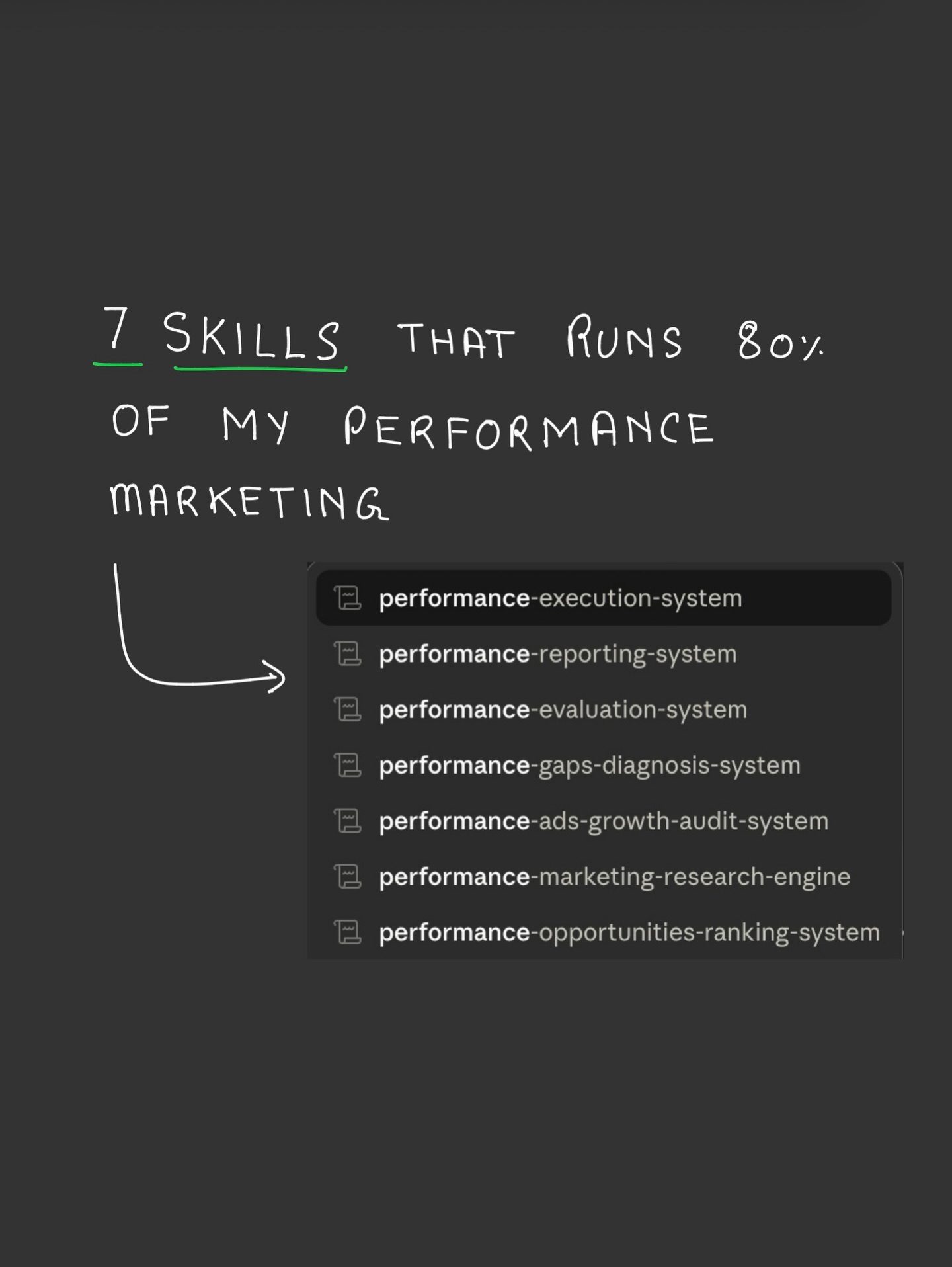
Performance Marketing: Mastering the Seven Essential Stages
Performance marketing is a critical aspect of digital advertising, focusing on measurable results and optimizing campaigns for maximum return on investment. Understanding and implementing the seven essential stages of performance marketing can transform how you approach your campaigns, leading to more effective spending and better outcomes.
Why This Matters
Efficient performance marketing is about more than just running ads; it's about building a system that continuously improves and adapts. Most marketers overlook the systematic approach, leading to inefficiencies and wasted ad spend. By focusing on seven key stages, you can create a robust performance marketing system that not only identifies what's working but also pinpoints areas for improvement.
The Seven Stages of Performance Marketing
1. Market Research
Market research is the foundation of any successful performance marketing campaign. It involves gathering data about your market, competitors, and target audience. This step is crucial because it helps you build on facts rather than guesses. Key metrics to focus on include:
- Competitor strategies and ad performance.
- Industry benchmarks for Cost Per Mille (CPM), Click-Through Rate (CTR), and Customer Acquisition Cost (CAC).
2. Account Audit
An account audit involves a thorough health check of your advertising account. This step ensures that your account is configured correctly and aligned with best practices. Key aspects of an account audit include:
- Checking Meta and Google Ads systems for any issues.
- Benchmarking performance against industry standards.
- Identifying any gaps or inefficiencies in your current setup.
3. Gap Diagnosis
Gap diagnosis is about identifying what's broken, missing, or leaking in your marketing efforts. This step involves a detailed analysis to understand where your campaigns are falling short. Key areas to focus on include:
- Identifying underperforming ads or campaigns.
- Pinpointing areas where your ads are not reaching their target audience.
- Diagnosing any technical issues that might be affecting performance.
4. Opportunity Ranking
Opportunity ranking helps you prioritize what to fix first. This step involves evaluating the potential impact of each identified gap and ranking them based on their significance. Key considerations include:
- The potential return on investment (ROI) for each fix.
- The urgency of the issue.
- The resources required to implement the fix.
5. Campaign Build
Building a campaign involves creating a deliberate structure rather than accumulating clutter. This step ensures that your campaigns are well-organized and optimized for performance. Key elements to consider include:
- Clear objectives and KPIs (Key Performance Indicators).
- Segmented audience targeting.
- Effective use of ad formats and placements.
6. Performance Evaluation
Performance evaluation is about regularly scanning and evaluating your marketing performance. This step helps you make data-driven decisions to scale, fix, or eliminate ineffective strategies. Key metrics to track include:
- Cost per acquisition (CPA).
- Return on ad spend (ROAS).
- Conversion rates.
7. Reporting
Reporting turns numerical data into actionable insights. This step involves creating reports that highlight key performance indicators and provide recommendations for improvement. Key components of effective reporting include:
- Visual representations of data (charts, graphs).
- Clear and concise summaries of key findings.
- Actionable recommendations for future campaigns.
Practical Tips for Implementing the Seven Stages
Conduct Regular Audits
Regularly audit your accounts to ensure everything is in order. This includes checking Meta and Google Ads systems for any issues and benchmarking performance against industry standards. Use tools like the 7-Point Account Scorecard to systematically evaluate your account.
Leverage Market Research
Build your campaigns on solid data rather than assumptions. Conduct thorough market research to understand your competitors and industry benchmarks. Use tools like the Meta Ad Library to study your top competitors' live ads and gain insights into effective strategies.
Focus on Self-Evaluation
Self-evaluation is crucial for continuous improvement. Regularly assess your performance marketing efforts to identify areas for improvement. Use performance evaluation systems to scale, fix, or eliminate ineffective strategies.
Create a System That Adapts
A one-size-fits-all approach won't work in performance marketing. Customize your system to fit your specific market, category, and product. The context of your business is what will make your system effective.
Use Tools and Technology
Leverage tools and technology to streamline your performance marketing efforts. From market research engines to opportunity ranking systems, these tools can help you make informed decisions and improve your overall performance.
Important Takeaways
The Seven Stages Are Interconnected
Each of the seven stages is interconnected and builds upon the previous one. Skipping any step can lead to inefficiencies and missed opportunities.
Customization is Key
A generic checklist won't cut it in performance marketing. Customize your approach based on your market, category, and product to see real results.
Continuous Improvement
Performance marketing is an ongoing process. Regularly evaluate and adjust your strategies to stay ahead of the competition.
Conclusion
Mastering the seven stages of performance marketing can significantly improve your ad performance and reduce wasted spend. By focusing on market research, account audits, gap diagnosis, opportunity ranking, campaign building, performance evaluation, and reporting, you can create a robust system that delivers measurable results. Implement these steps and continuously adapt to the changing landscape of digital marketing to achieve long-term success.
Watch the Reel
Questions readers ask
What are the seven essential stages of performance marketing?
The seven essential stages of performance marketing include market research, goal setting, planning and strategy, campaign execution, tracking and analysis, performance evaluation, and continuous improvement. These stages help marketers build effective, adaptable campaigns that drive measurable results and optimize ad spend.
Why is market research crucial in the first stage of performance marketing?
Market research is crucial because it helps marketers understand their target audience, identify market trends, and pinpoint opportunities. This stage sets the foundation for the entire campaign, ensuring that efforts are focused on reaching the right audience with the right message.
How can I optimize ad spend through performance marketing?
Optimizing ad spend involves continuous tracking, analysis, and adjustment of campaigns based on performance data. By identifying what's working and what's not, you can reallocate your budget to more effective channels and tactics, ensuring that every dollar spent contributes to measurable results.
What is a performance marketing audit and why is it important?
A performance marketing audit is a comprehensive assessment of your current marketing strategies and performance. It helps identify strengths, weaknesses, and areas for improvement. This audit is important because it provides a clear understanding of your current performance, enabling you to make informed decisions and enhance your overall marketing system.
How can I improve my performance marketing skills?
Improving your performance marketing skills involves staying updated with the latest trends and tools, continuously analyzing campaign performance, and learning from both successes and failures. Engaging in online courses, webinars, and industry forums can also provide valuable insights and practical knowledge to enhance your skills.
What tools can help in tracking and analyzing performance marketing campaigns?
There are several tools available for tracking and analyzing performance marketing campaigns, including Google Analytics, Adobe Analytics, and various social media analytics platforms. These tools provide detailed insights into campaign performance, helping you make data-driven decisions to optimize your marketing strategies.
How often should I evaluate the performance of my marketing campaigns?
Evaluating the performance of your marketing campaigns should be an ongoing process. Regular evaluations, such as weekly or bi-weekly reviews, allow you to track progress, identify trends, and make necessary adjustments. This continuous evaluation ensures that your campaigns remain effective and aligned with your goals, leading to better overall performance.
Related deep dives
Similar reads based on topic and creator.

Recent articles
Fresh deep dives from the latest Reels we unpacked.




Comments
Be the first to comment.