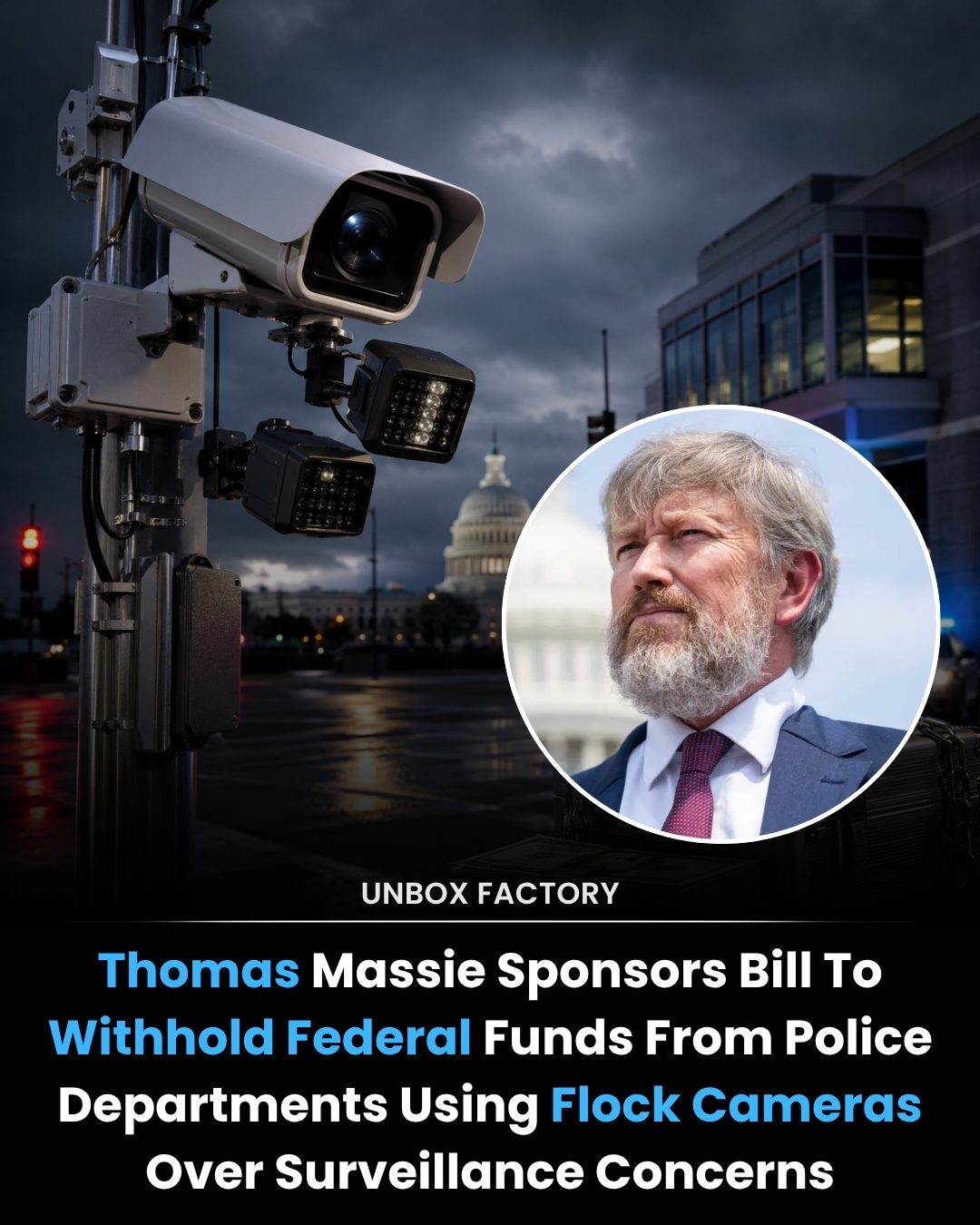
Surveillance Cameras and the Debate Over Privacy and Public Safety
Automated License Plate Recognition (ALPR) systems, such as those provided by Flock Safety, have become ubiquitous in communities across the United States. With more than 5,000 communities utilizing this technology and tens of thousands of cameras deployed, ALPR systems have proven invaluable in helping law enforcement investigate stolen vehicles, missing persons, and various criminal cases. However, the expanding use of these surveillance networks has also sparked significant debate over privacy concerns and civil liberties.
U.S. Representative Thomas Massie has introduced legislation that aims to address these issues by withholding federal funding from law enforcement agencies that use ALPR systems. This bill specifically targets Flock Safety's ALPR technology, highlighting the growing tension between enhanced public safety measures and privacy rights.
Why This Matters
The debate surrounding ALPR systems revolves around two primary concerns: public safety and privacy. On one hand, these systems have demonstrated their effectiveness in assisting law enforcement in solving crimes and locating missing persons. On the other hand, critics argue that the extensive data collection by these cameras raises serious questions about individual privacy and the potential misuse of collected data.
Public Safety Benefits
ALPR systems offer several benefits to public safety:
-
Crime Prevention: By providing real-time data on vehicle movements, ALPR systems help law enforcement agencies quickly identify and respond to potential threats. This can help prevent crimes before they occur.
-
Efficient Investigations: ALPR systems enable law enforcement to efficiently track and locate stolen vehicles, missing persons, and suspect vehicles, leading to quicker resolutions in criminal investigations.
-
Community Safety: The presence of ALPR cameras can act as a deterrent, making communities safer by discouraging criminal activity.
Privacy and Civil Liberties Concerns
While the benefits of ALPR systems are clear, the privacy implications are a significant concern. The extensive data collection involves capturing and storing information about every vehicle that passes through monitored areas, which can include:
-
License Plate Data: Information about vehicle movements can be used to track individuals, potentially leading to privacy invasions.
-
Miscellaneous Data: Some ALPR systems may capture additional data, such as images of vehicle occupants, further raising privacy concerns.
-
Data Security: The storage and transmission of vast amounts of data increase the risk of unauthorized access, data breaches, and misuse by unauthorized parties.
Main Discussion
Legislative Efforts to Address Surveillance Concerns
Legislation introduced by U.S. Representative Thomas Massie is a direct response to the privacy concerns surrounding ALPR systems. By proposing to withhold federal funding from law enforcement agencies using these technologies, Massie hopes to encourage a more balanced approach that prioritizes both public safety and individual privacy.
The proposed bill aims to force law enforcement agencies to reevaluate their use of ALPR systems and implement stronger safeguards to protect privacy. Some potential measures that could be taken include:
-
Data Minimization: Limiting the amount of data collected and stored to only what is necessary for law enforcement purposes.
-
Transparency: Ensuring that the public is aware of the extent and nature of surveillance in their communities.
-
Data Retention Policies: Implementing strict guidelines for how long data can be retained and under what conditions it can be accessed.
-
Public Oversight: Establishing independent bodies to oversee data use and ensure compliance with privacy regulations.
Balancing Public Safety and Privacy
Balancing public safety and privacy is a complex challenge. While ALPR systems offer significant benefits to law enforcement, they also present significant risks to individual privacy. Finding a middle ground that maximizes public safety while minimizing privacy invasions will require careful consideration and collaboration between law enforcement agencies, legislators, and the public.
Practical Tips for Communities
If you are part of a community considering the implementation of ALPR systems, or if your community already uses this technology, here are some practical tips to help ensure a balanced approach:
Engage in Public Discussion
Encourage open dialogue and community involvement. Public forums, town hall meetings, and online discussions can provide valuable insights and help build consensus on the use of ALPR systems.
Establish Clear Guidelines
Develop and enforce clear guidelines for the use of ALPR data. This includes specifying what data can be collected, how it will be stored, and who has access to it. Ensuring transparency and accountability in data management is crucial.
Implement Strong Data Security Measures
Protect collected data from unauthorized access and breaches. Employ robust encryption, secure storage solutions, and regular audits to ensure data security.
Limit Data Retention
Establish strict data retention policies to limit how long data is stored. Long-term storage increases the risk of misuse and privacy invasions. Consider deleting data after a reasonable period unless it is necessary for ongoing investigations.
Establish Independent Oversight
Create an independent oversight body to monitor the use of ALPR systems and ensure compliance with privacy regulations. This ensures that the implementation of ALPR systems remains transparent and accountable.
Important Takeaways
The use of ALPR systems has brought both benefits and challenges to communities across the United States. While these systems enhance public safety by providing valuable data to law enforcement, they also raise significant privacy concerns. The proposed legislation by U.S. Representative Thomas Massie aims to address these concerns by encouraging a more balanced approach to surveillance.
As communities continue to navigate the complexities of public safety and privacy, it is essential to engage in open dialogue, establish clear guidelines, and implement strong safeguards to protect individual rights. By working together, law enforcement agencies, legislators, and the public can find a middle ground that prioritizes both public safety and privacy.
Conclusion
The debate over ALPR systems highlights the delicate balance between enhancing public safety and protecting individual privacy. As the use of these systems continues to expand, it is crucial to address the concerns surrounding data collection and misuse. By implementing strong safeguards and encouraging open dialogue, communities can ensure that the benefits of ALPR technology are maximized while minimizing the risks to privacy. This approach will help build a safer, more secure future for all.
Watch the Reel
Questions readers ask
What are ALPR systems and how are they used?
Automated License Plate Recognition (ALPR) systems use cameras to automatically read and record license plate information. They are used by law enforcement agencies to help investigate stolen vehicles, missing persons, and other criminal activities.
Why has the use of ALPR systems sparked debate?
While ALPR systems enhance public safety, their widespread use has raised concerns about privacy and civil liberties. The extensive data collection and potential misuse of information have led to discussions about the balance between security and individual rights.
What is the purpose of Thomas Massie's new bill?
U.S. Representative Thomas Massie's new bill aims to limit federal funding for law enforcement agencies that use ALPR systems. The goal is to encourage a reassessment of surveillance practices and to mitigate privacy concerns associated with these technologies.
How many communities use ALPR systems in the United States?
More than 5,000 communities across the United States utilize ALPR systems, with tens of thousands of cameras deployed. This widespread adoption highlights the technology's significance in law enforcement but also underscores the need for privacy considerations.
What are the potential implications of Massie's bill on law enforcement?
If passed, Massie's bill could significantly impact law enforcement agencies that rely on federal funding. These agencies may need to reevaluate their use of ALPR systems or seek alternative funding sources to continue operating these surveillance networks.
What is the potential impact of Massie's bill on public safety?
Massie's bill could lead to a reduction in the use of ALPR systems, which might affect the ability of law enforcement to quickly investigate certain crimes. However, it could also prompt a more thoughtful approach to surveillance, balancing public safety with individual privacy rights.
How does Massie's bill address the concerns about ALPR technology?
By proposing to withhold federal funding, Massie's bill aims to pressure law enforcement agencies to reconsider their reliance on ALPR systems. This could lead to stricter regulations and oversight, ensuring that the technology is used responsibly and that individual privacy is better protected.
Related deep dives
Similar reads based on topic and creator.


Recent articles
Fresh deep dives from the latest Reels we unpacked.




Comments
Be the first to comment.