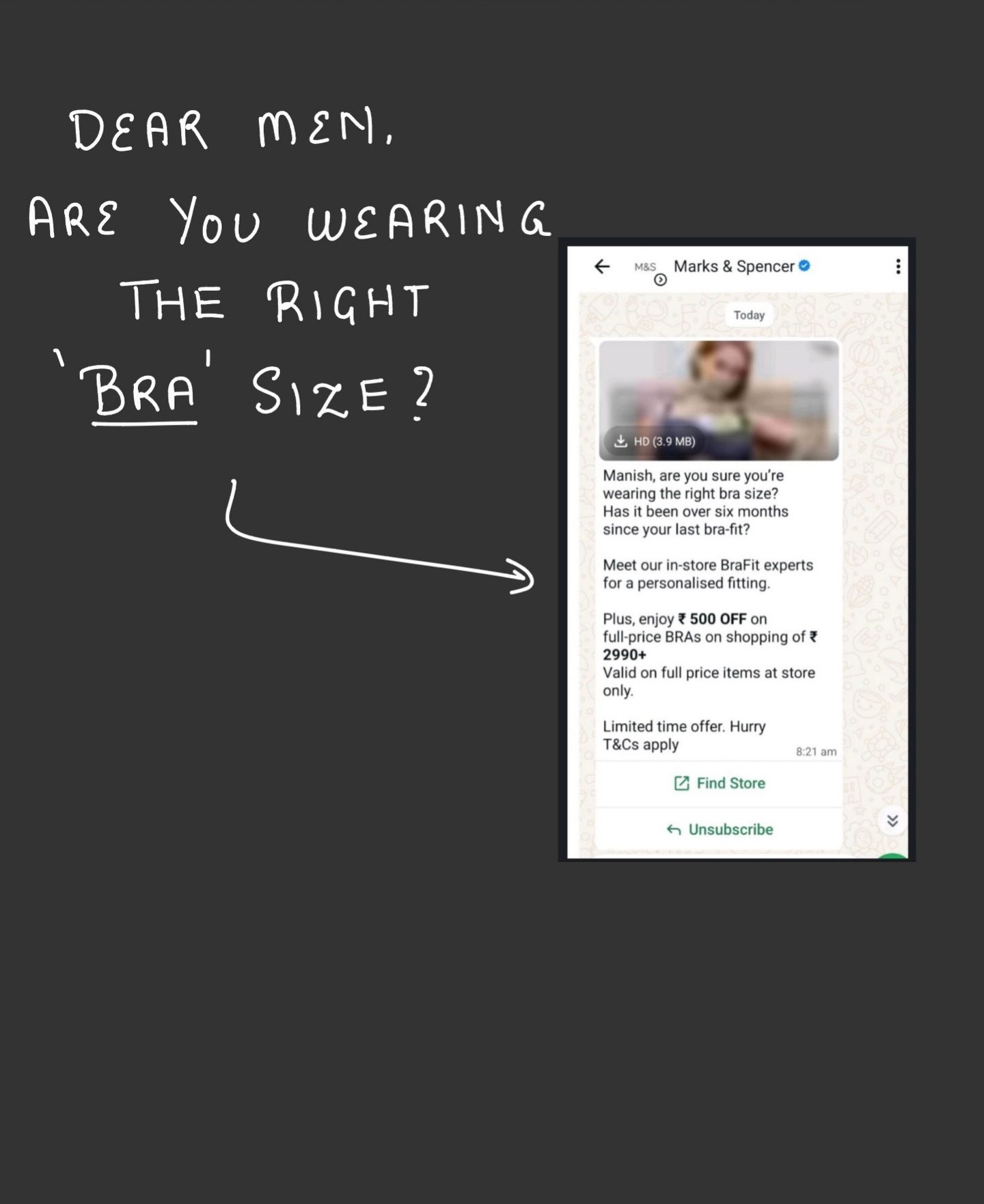
Marketing Automation Errors: The Case of Marks & Spencer and the Bra Fitting Blunder
Marketing automation, when done right, can streamline campaigns and boost customer engagement. However, things can go awry, as evidenced by a recent mix-up from Marks & Spencer. The retail giant sent a WhatsApp message promoting bra fittings to men, sparking laughs and raising questions about the pitfalls of automation errors.
Why This Matters
Marketing automation is a powerful tool for reaching the right audience at the right time. However, it's not without its risks. Errors in automation can lead to irrelevant or inappropriate messages, damaging a brand's image and potentially losing customer trust. Understanding how these mistakes happen and how to prevent them is crucial for marketers.
Causes of Marketing Automation Errors
The Marks & Spencer blunder highlights several common issues that can lead to marketing automation failures.
Incorrect Audience Targeting
One of the primary causes of automation errors is incorrect audience targeting. In the case of Marks & Spencer, the message was sent to men, who are an unlikely audience for a promotion on bra fittings. This could be due to a misconfiguration in the audience segmentation rules or a data error in the customer database.
Automation Trigger Misconfiguration
Automation triggers determine when and how messages are sent. If these triggers are not set up correctly, they can send messages at inappropriate times or to the wrong people. In Marks & Spencer's case, the trigger that initiated the bra fitting promotion likely went off without the necessary filters in place.
Database Issues
Database issues, such as incorrect or outdated customer information, can also cause automation errors. If the database is not regularly updated or if data is merged incorrectly, it can lead to irrelevant promotions being sent to the wrong audience.
The Importance of Auditing and Testing
To prevent automation errors, it's important to regularly audit your CRM setup and perform test sends. Auditing ensures that all automation rules and audience segments are configured correctly, while test sends allow you to catch and fix any potential issues before a campaign goes live.
Auditing CRM Setups
Regular audits of your CRM setup can help identify and correct any misconfigurations in automation rules or audience segments. It's a good practice to conduct these audits periodically and after any significant changes to your CRM system.
Performing Test Sends
Test sends allow you to preview campaign messages and ensure they are being sent to the correct audience. This is a crucial step in the campaign planning process, as it helps catch any potential errors before they reach your customers.
Learning from the Mistake
The Marks & Spencer incident serves as a reminder of the importance of understanding and refining your retention system. A well-designed retention system can help prevent automation errors and ensure that your marketing campaigns are effective and appropriate for your target audience.
Understanding Retention Systems
A retention system is a set of strategies and tools designed to keep customers engaged with your brand over time. This includes personalized messaging, targeted promotions, and regular communications that add value to the customer experience. By understanding and refining your retention system, you can reduce the likelihood of automation errors and improve customer engagement.
Preventing Future Mistakes
To prevent future mistakes, it's important to learn from past errors and continually refine your marketing automation strategies. This includes regularly auditing your CRM setup, performing test sends, and staying up-to-date with best practices in marketing automation.
The Role of Personalization
Personalization is a key component of effective marketing automation. By tailoring messages to individual customers based on their preferences, behavior, and past interactions, you can ensure that your promotions are relevant and valuable. This reduces the risk of automation errors and enhances the customer experience.
Practical Tips for Effective Marketing Automation
To ensure your marketing automation efforts are successful, consider the following practical tips:
Regularly Update Your Database
Regularly updating your customer database ensures that your automation rules are based on accurate and relevant information. This can help prevent errors and improve the effectiveness of your campaigns.
Use Clear and Specific Triggers
Clear and specific triggers help ensure that your messages are sent at the right time to the right audience. Be explicit about the conditions that must be met for a message to be sent, and test these triggers thoroughly before launching a campaign.
Segment Your Audience Carefully
Careful audience segmentation ensures that your messages are relevant to the people receiving them. Use a combination of demographic, behavioral, and psychographic data to create well-defined audience segments.
Monitor Campaign Performance
Regularly monitoring your campaign performance helps you identify any issues or errors that may arise. Pay attention to key metrics such as open rates, click-through rates, and conversion rates, and make adjustments as needed to improve performance.
Stay Informed About Best Practices
Marketing automation is a rapidly evolving field, and best practices are constantly changing. Stay informed about the latest developments and trends in marketing automation to ensure your strategies are up-to-date and effective.
Important Takeaways
Marketing automation can be a powerful tool for boosting customer engagement and streamlining campaigns. However, it's important to be aware of the potential pitfalls and take steps to prevent errors. Regularly auditing your CRM setup, performing test sends, and understanding your retention system can help ensure that your marketing automation efforts are effective and appropriate.
The Marks & Spencer incident serves as a reminder of the importance of accuracy and relevance in marketing communications. By learning from past mistakes and continually refining your strategies, you can prevent similar errors and build a stronger, more engaged customer base.
Conclusion
Marketing automation, when done correctly, can enhance customer engagement and drive business growth. However, as the Marks & Spencer example illustrates, errors can happen. By understanding the common causes of automation errors and taking steps to prevent them, you can ensure that your marketing efforts are effective and impactful.
Watch the Reel
Questions readers ask
What caused Marks & Spencer to send a bra fitting promotion to men?
The incident was likely due to a targeting mistake in their marketing automation setup. This could be caused by incorrect customer data, a misconfigured automation trigger or a poorly segmented audience list.
How can businesses avoid sending irrelevant messages to customers?
To prevent such mishaps, businesses should regularly clean and update their customer databases, ensuring that customer data is accurate and up-to-date. They should also carefully set up automation triggers and define audience segments to ensure messages are relevant to the recipient.
What are automation triggers and how do they work?
Automation triggers are specific actions or behaviors that initiate a marketing automation workflow. For example, a trigger could be a customer's birthday, a purchase, or signing up for a newsletter. When these triggers are set up incorrectly, they can lead to messages being sent to the wrong audience, like in the Marks & Spencer bra fitting promotion.
Why is it important to clean your customer database?
A clean, well-maintained customer database ensures that marketing messages are sent to the correct audience. Regular database cleaning helps remove outdated or incorrect information, reducing the chances of marketing automation errors and enhancing customer retention strategies.
What impact can marketing automation errors have on a brand's image?
Marketing automation errors can lead to irrelevant or inappropriate messages being sent to customers, which can damage a brand's image and potentially lose customer trust. It's crucial for marketers to understand the risks and take steps to prevent such mistakes.
How can businesses maintain a clean customer database?
Businesses can maintain a clean customer database by regularly updating customer information, verifying data accuracy, and removing outdated or incorrect entries. Implementing a data governance strategy can also help ensure data quality and consistency.
Recent articles
Fresh deep dives from the latest Reels we unpacked.




Comments
Be the first to comment.