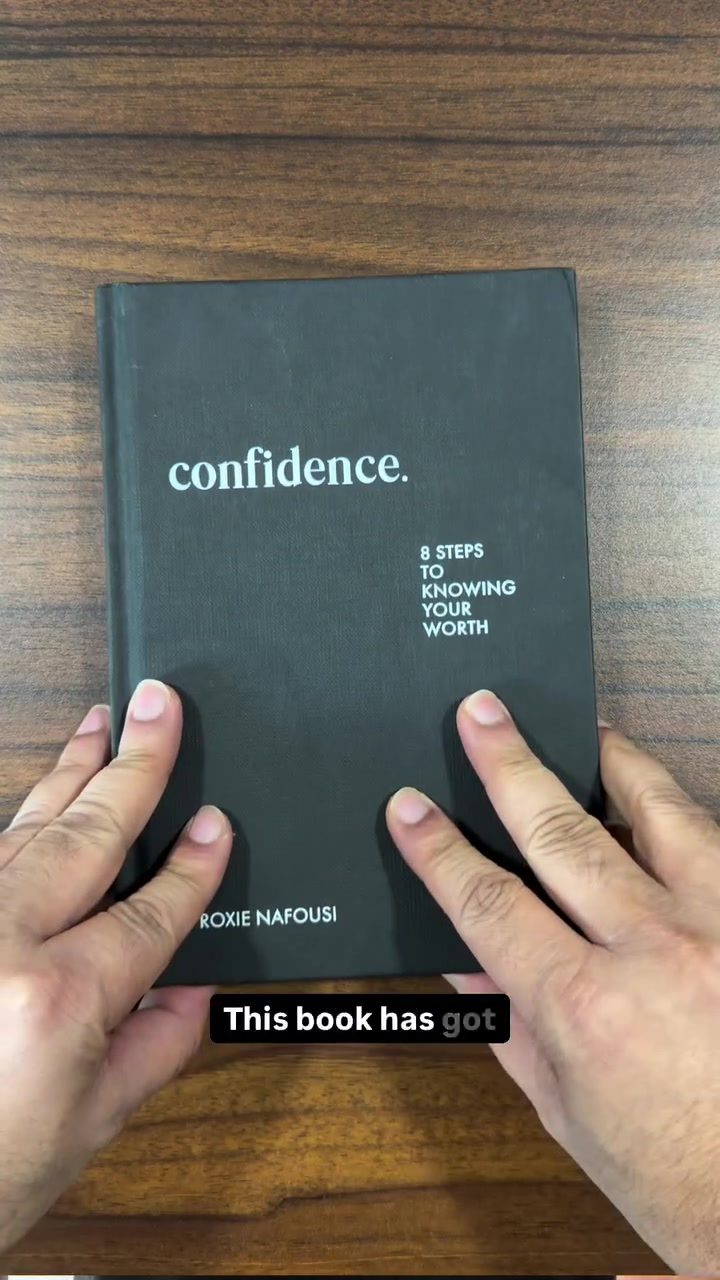
The Confidence Blueprint: A Book Review of “8 Steps to Knowing Your Worth” by Loxie Nafousi
The book "8 Steps to Knowing Your Worth" by Loxie Nafousi is a powerful guide to building self-confidence and understanding your worth. Interestingly, the lessons in this self-help book can be applied beyond personal development, offering invaluable insights for marketers and brand builders. The concept of "sideways learning" is at the core of this book’s relevance to marketing. By reading outside of your field, you can sharpen your marketing skills and gain a fresh perspective.
Why This Matters
The principles outlined in Nafousi's book are not just applicable to personal growth; they are directly transferable to the world of marketing and branding. Understanding how to master your thoughts, act with intention, and celebrate yourself are all crucial steps that can elevate a brand's presence and impact. This book encourages a deeper understanding of self-worth and self-esteem, which can be mirrored in brand positioning and customer engagement. By internalizing these steps, you can create a more authentic and resilient brand.
Mastering Your Thoughts
The first step in Nafousi’s book is to master your thoughts. This involves recognizing and managing the two voices in your head: the "hacker" and the "cheerleader." The hacker is the critical voice that tears you down, while the cheerleader lifts you up. In marketing, this translates to the internal dialogue of a brand. A confident brand is one that is secure in its positioning and does not constantly mimic competitors. When a brand acts confidently, it builds a stronger, more recognizable identity. By understanding and managing these two voices, you can foster a brand that is both innovative and self-assured.
Act with Intention
Nafousi emphasizes the importance of acting with intention, which directly applies to brand strategy. Every decision a brand makes, from product development to social media posts, should be intentional and purposeful. Nafousi introduces the idea of "bookending your day" with intentional habits, which can be translated into a brand's daily operations. Every touchpoint with a customer, from the first impression to the last, should be deliberate. A brand that posts without intention risks building no lasting memory in the minds of its audience. By acting with intention, brands can create a cohesive and memorable experience for their customers, fostering loyalty and engagement.
Stop Trying to Please Everyone
The third step is to stop trying to be liked by everyone. This principle is especially relevant in branding. Nafousi breaks down the need for approval, explaining how it can hinder personal growth. In the context of branding, this means recognizing that not everyone will like your brand, and that's okay. Strong brands have a clear vision and a defined target audience. They understand that trying to please everyone dilutes their message and weakens their brand identity. By embracing the fact that some people will dislike your brand, you can build a stronger, more focused brand that resonates with its intended audience.
Learning to Say No
The fourth step is about learning to say no. Nafousi explains that the strongest brands in the world have people who dislike them, and that is not a failure but an indication of clarity. If a brand can't say no to a segment, it lacks positioning. This step underscores the importance of understanding your brand's unique value proposition and sticking to it. By saying no to opportunities that dilute your brand, you can build a stronger sense of equity and authenticity. This clarity helps in creating a distinct brand identity that stands out in a crowded market.
Breaking Free from Comparison
The fifth chapter focuses on breaking free from comparison. Nafousi highlights that there is room for all of us to shine and that your current stage is someone else's dream. For marketers, this means understanding that your brand has its unique journey and that trying to emulate a brand that is ten years ahead will only lead to frustration and dilution of your brand's story. Emphasizing your differentiators and celebrating your unique journey can help you stand out in a competitive landscape.
Celebrating Yourself
The sixth step is to celebrate yourself. Nafousi discusses the cultural pressure to be humble and the fear of appearing arrogant. However, she emphasizes that celebrating your wins is a crucial part of building self-confidence. In the world of branding, this translates to the importance of publicly celebrating your brand's achievements. Brands that never celebrate their wins miss out on a significant trust signal. People connect more with authenticity and pride in the journey rather than perceived perfection. By celebrating your wins, you can build a stronger connection with your audience.
Do Hard Things
The seventh step is to do hard things. Nafousi suggests that to step into your full potential, you need to show yourself that you can do hard things. Doing hard things provides opportunities for growth and resilience. For brands, this means making strategic decisions that might be difficult but are essential for long-term growth. The hardest brand decision is often killing something that sells but dilutes your brand's core identity. This step is about understanding that short-term gains should not overshadow long-term brand integrity.
Be of Service to Others and Show Up as Your Best Self
The final steps, though not explicitly detailed, emphasize the importance of being of service to others and showing up as your best self. These principles are the foundation of a successful brand. By focusing on serving your audience and consistently delivering your best, you can build a loyal customer base and a strong brand legacy.
Practical Tips
Applying these steps to your brand involves several practical steps. Start by identifying your brand's voices. Are you confident in your positioning, or are you constantly mimicking competitors? Act with intention in every aspect of your business, from content creation to customer interactions. Embrace the fact that not everyone will like your brand, and use this as a strength rather than a weakness. Learn to say no to opportunities that don't align with your brand's values and mission. Celebrate your wins publicly and authentically. Finally, do hard things that challenge your brand and help it grow.
Important Takeaways
- Every decision a brand makes should be intentional and purposeful.
- Strong brands have a clear vision and a defined target audience.
- Celebrating your wins publicly builds trust with your audience.
- Short-term gains should not overshadow long-term brand integrity.
- Doing hard things provides opportunities for growth and resilience.
Conclusion
The lessons from "8 Steps to Knowing Your Worth" by Loxie Nafousi are invaluable for anyone looking to build a stronger, more confident brand. By understanding and applying these principles, you can create a brand that is authentic, resilient, and beloved by its audience. Whether you're a seasoned marketer or just starting out, the insights from this book offer a fresh perspective on branding and personal growth. Embrace the concept of sideways learning and watch as your marketing skills and brand identity flourish.
Watch the Reel
Questions readers ask
How can understanding self-worth improve brand positioning?
Understanding self-worth can translate into a stronger brand positioning by infusing authenticity and confidence into your brand's voice and messaging. When you genuinely believe in your brand's value, it becomes easier to communicate that value to your audience, creating a more compelling and trustworthy brand image.
What is 'sideways learning' and how can it benefit marketing strategies?
Sideways learning refers to gaining insights from fields outside of your own. For marketers, this means reading books like Nafousi's “8 Steps to Knowing Your Worth” to gain fresh perspectives and innovative ideas. This approach can help you think outside the box, enhancing your strategies for customer engagement and brand development.
How can mastering your mind help in creating a resilient brand?
Mastering your mind involves controlling your thoughts and perceptions, which can be crucial for building a resilient brand. By staying positive and focused, you can better navigate challenges and setbacks, ensuring that your brand remains steadfast and adaptable in the face of market changes and customer feedback.
What are some practical ways to incorporate a daily confidence routine into marketing efforts?
A daily confidence routine can help marketers maintain a positive mindset, which can be reflected in their work. This might involve setting clear goals, practicing affirmations, or engaging in activities that build self-esteem. By doing so, marketers can foster a more authentic and confident approach to customer interactions and brand messaging.
How does building self-esteem impact customer engagement?
Building self-esteem can lead to more authentic and empathetic interactions with customers. When you have a strong sense of self-worth, you are better equipped to understand and address customer needs, fostering a more genuine connection. This can lead to increased customer loyalty and satisfaction, as customers appreciate the authentic and confident approach.
What is the significance of owning your brand in the context of marketing?
Owning your brand means taking full responsibility for your brand's identity and message. This involves understanding your unique value proposition and communicating it clearly and confidently. By owning your brand, you create a consistent and recognizable identity that resonates with your audience, making it easier to stand out in a competitive market.
Recent articles
Fresh deep dives from the latest Reels we unpacked.




Comments
Be the first to comment.