Auto-Brewery Syndrome: When the Body Produces Alcohol
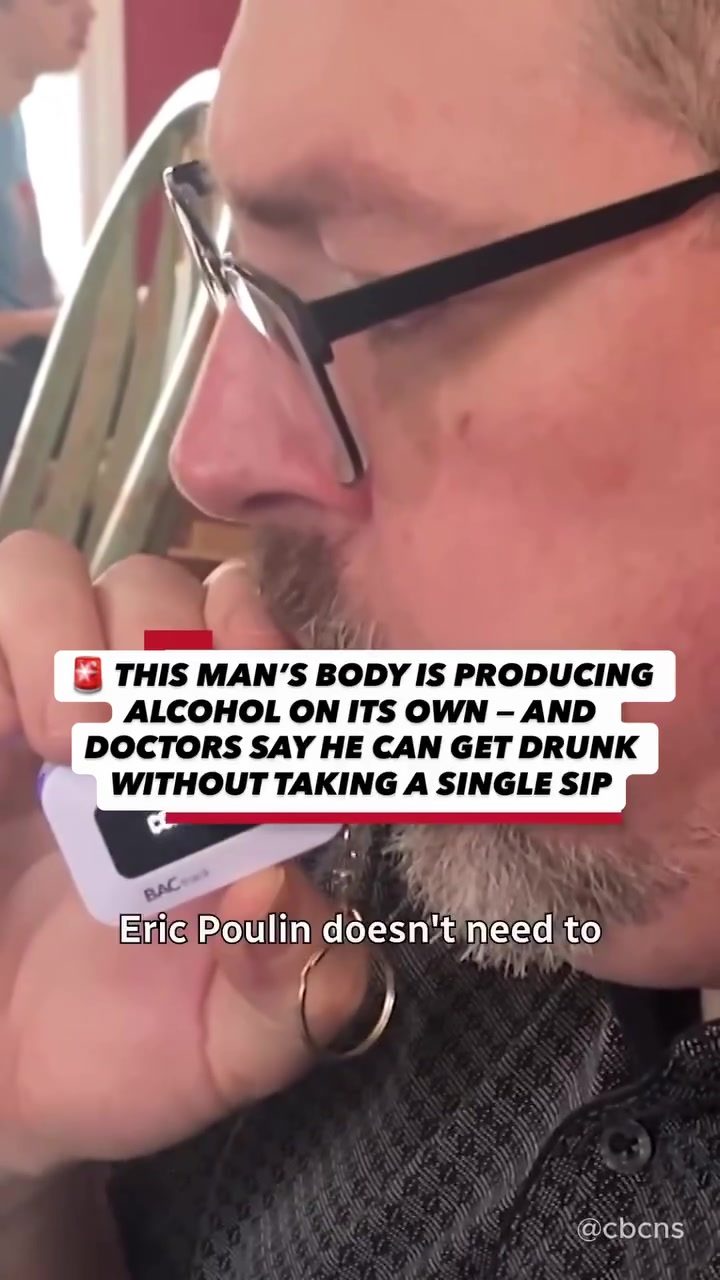
Auto-brewery syndrome is a rare and perplexing condition where a person's body produces alcohol endogenously, meaning the body manufactures it internally. This phenomenon is exactly what a Canadian father of five, Eric Poulin, experiences. Poulin’s body can become legally intoxicated without him consuming any alcohol.
Why This Matters
Auto-brewery syndrome raises significant questions about human biology and the complexities of the gut microbiome. For Poulin, it means living with a condition that can cause him to black out and experience intoxication symptoms without drinking. This condition not only affects his daily life but also highlights the challenges of diagnosing and treating rare medical conditions.
Understanding Auto-Brewery Syndrome
The Gut Microbiome and Ethanol Production
At the core of auto-brewery syndrome is an imbalance of microorganisms in the gut. Specifically, certain bacteria and fungi that can ferment alcohol become the predominant species in the gut. This imbalance leads to continuous fermentation, producing high levels of ethanol and resulting in intoxication symptoms. Dr. Rahel Zewude, an infectious disease physician, explains that this condition can be treated by combining a low-carb diet with antifungal therapy.
Symptoms and Diagnosis
Poulin's symptoms include blackouts and positive breathalyzer tests, even when he hasn't consumed any alcohol. These symptoms are unsettling and have led to years of misunderstanding and skepticism from doctors. It took Poulin years to receive a diagnosis, as doctors were puzzled by his symptoms and often questioned his story. The journey to diagnosis was long and fraught with doubt, highlighting the challenges that rare diseases present.
The Challenges of Living with Auto-Brewery Syndrome
Daily Life and Uncertainty
Living with auto-brewery syndrome is incredibly challenging. Poulin, a father of five, faces significant limitations on what he can do from day to day. The unpredictable nature of the condition means he never knows what to expect, hour to hour. This uncertainty makes it hard to plan and live a normal life.
Treatment and Research
Despite the diagnosis, Poulin and his doctors are still working out the exact cause of his condition. Dr. Luke Chen, a hematologist, explains that the treatment is complicated by the multitude of organisms in the human body. Finding a specific culprit is difficult, making it hard to determine the best strategy for treatment. Experts are exploring alternative treatment options, but one of these is not available in Canada, adding another layer of complexity to Poulin's journey.
Practical Tips for Managing Auto-Brewery Syndrome
While there is no cure for auto-brewery syndrome, there are several strategies that can help manage the condition.
Dietary Adjustments
A low-carb diet can be beneficial, as it reduces the amount of fermentable material in the gut. This dietary change can help decrease the production of ethanol and alleviate some of the symptoms associated with the condition.
Antifungal Therapy
Antifungal therapy can also play a crucial role in managing auto-brewery syndrome. By targeting the fungi in the gut that contribute to ethanol production, this therapy can help bring the gut microbiome back into balance.
Medical Monitoring
Regular medical monitoring is essential for anyone with auto-brewery syndrome. This includes frequent breathalyzer tests and check-ins with healthcare providers to ensure that any changes in symptoms are addressed promptly.
Important Takeaways
The story of Eric Poulin and his experience with auto-brewery syndrome underscores several important points.
Rare Diseases Require Special Attention
Auto-brewery syndrome is a rare condition, and diagnosing and treating it presents unique challenges. The journey to a diagnosis can be long and fraught with skepticism, and even after a diagnosis, finding the right treatment can be difficult.
The Importance of Awareness
Raising awareness about rare diseases like auto-brewery syndrome is crucial. It helps others understand the challenges and encourages further research into treatments and cures. Poulin hopes that by sharing his story, he can help others who may be experiencing similar symptoms.
The Impact on Daily Life
Living with a rare disease like auto-brewery syndrome can significantly impact daily life. The unpredictability of the condition and the limitations it imposes can be overwhelming, but with the right support and management strategies, it is possible to live a fulfilling life.
Conclusion
Auto-brewery syndrome is a fascinating and complex condition that highlights the intricacies of the human gut microbiome. For individuals like Eric Poulin, living with this condition presents significant challenges, but with the right medical support and lifestyle adjustments, it is possible to manage the symptoms and improve quality of life. Raising awareness about this rare condition is essential for advancing research and supporting those who are affected.
Watch the Reel
Questions readers ask
What exactly is auto-brewery syndrome and how does it work?
Auto-brewery syndrome is a rare condition where the body produces alcohol internally. This occurs due to an imbalance in gut microorganisms, which ferment carbohydrates into alcohol. As a result, individuals with this condition can become intoxicated without consuming any alcohol.
What are the common symptoms of auto-brewery syndrome?
Symptoms of auto-brewery syndrome mimic those of alcohol intoxication, including dizziness, slurred speech, and confusion. Additionally, individuals may experience blackouts and a strong odor of alcohol on their breath. However, these symptoms occur without any alcohol consumption.
How is auto-brewery syndrome typically diagnosed?
Diagnosing auto-brewery syndrome can be challenging due to its rarity and the potential for misdiagnosis. Doctors may conduct breath, blood, and urine tests to detect alcohol levels along with a review of the patient's diet and symptoms. In some cases, a trial of a carbohydrate-restricted diet may also be recommended to assess symptom improvement.
Can gut health impact the production of alcohol in the body?
Yes, gut health plays a crucial role in auto-brewery syndrome. An imbalance in gut microorganisms, particularly an overgrowth of certain yeasts like Saccharomyces cerevisiae, can lead to the fermentation of carbohydrates into alcohol. Maintaining a healthy gut microbiome is therefore essential in managing this condition.
Are there any specific diets that can help manage auto-brewery syndrome?
A low-carbohydrate diet can be beneficial for individuals with auto-brewery syndrome. By reducing the intake of sugars and starches, the fermentation process in the gut is limited, which can help decrease the production of alcohol. Consulting with a healthcare provider or a dietitian is recommended for personalized dietary advice.
What challenges do individuals with auto-brewery syndrome face in daily life?
People with auto-brewery syndrome may face significant challenges, including unexpected intoxication, which can lead to social stigma, legal complications, and difficulties in maintaining personal and professional relationships. Daily life can be further complicated by the need to adhere to strict dietary regulations and manage unpredictable symptoms.
Recent articles
Fresh deep dives from the latest Reels we unpacked.




Comments
Be the first to comment.