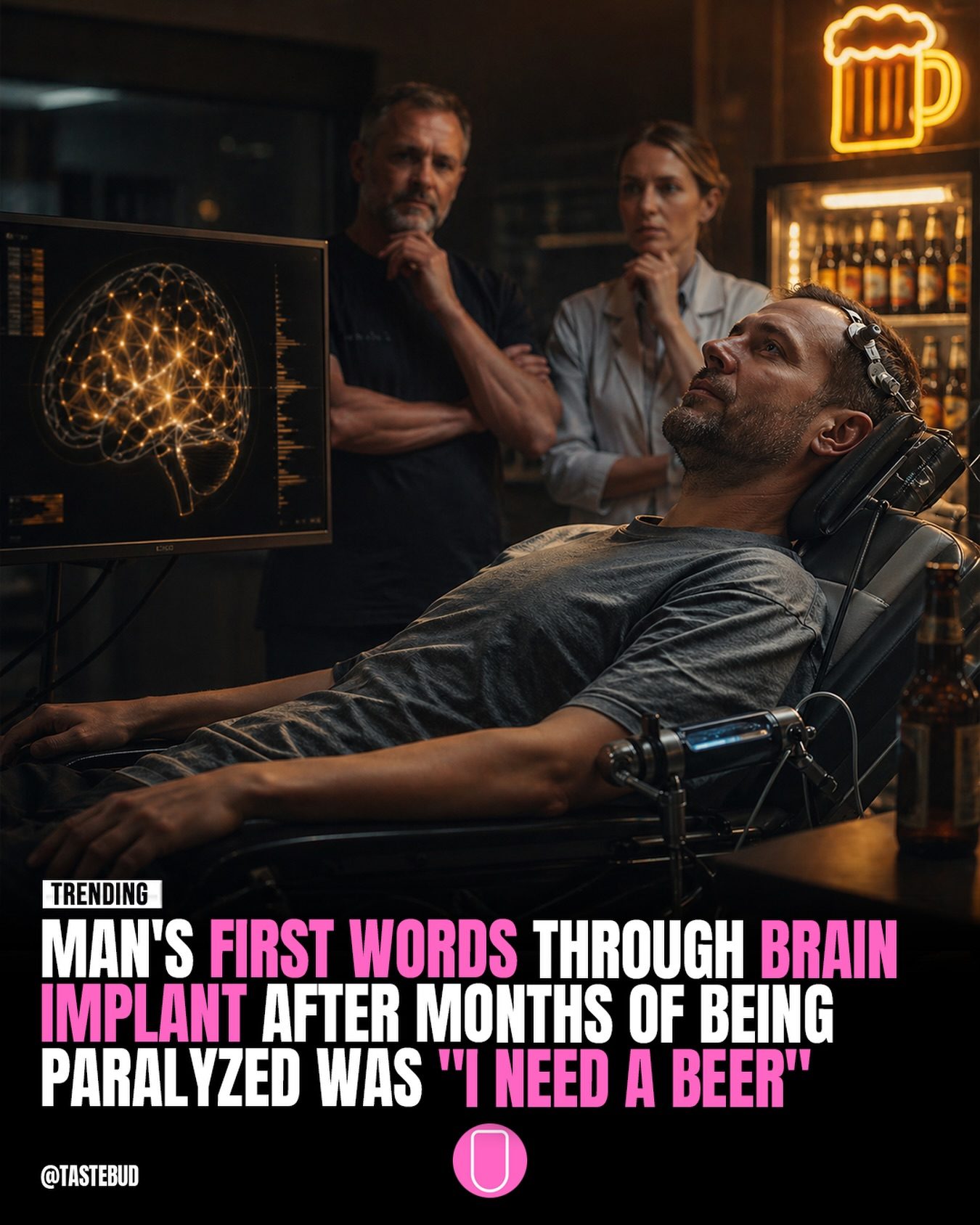
Brain Implants and Speech Recovery
The remarkable advancement of brain implants has brought renewed hope to individuals who have lost the ability to speak. A recent case highlighted a man who, after months of paralysis, regained his voice through a sophisticated brain implant system. This breakthrough showcases the incredible strides made in neuroscience and assistive technology, offering a glimpse into a future where communication barriers can be overcome.
Why This Matters
The ability to communicate is fundamental to human interaction and quality of life. For individuals who have lost their voice due to injury, illness, or neurological conditions, the inability to express thoughts and needs can be profoundly isolating. Brain implants that decode neural signals and convert them into speech represent a significant leap forward in assistive technology. These devices are not merely about restoring speech; they are about reclaiming autonomy and reconnecting with the world.
The Science Behind Brain Implants
Brain implants work by interpreting neural signals—the electrical impulses that the brain uses to communicate with the body. These signals are picked up by electrodes placed directly on the brain's surface or implanted within it. The data is then processed by an external computer system, which decodes the neural patterns and translates them into speech. The technology essentially bypasses the traditional pathways for speech production, allowing individuals to communicate even when their vocal cords or speech muscles are non-functional.
Neural Signal Processing
The first step in the process involves capturing the neural signals. This is achieved through electrodes that are surgically implanted in specific regions of the brain responsible for speech. These regions, such as Broca's area and the supplementary motor area, are crucial for speech production.
Once the signals are captured, they are transmitted to a computer system. This system uses complex algorithms to decode the neural patterns. The algorithms are trained to recognize specific neural signatures associated with different speech sounds or words. The process is akin to translating a foreign language; the brain's signals are the foreign language, and the computer system acts as the interpreter.
Speech Synthesis
The decoded signals are then converted into speech using speech synthesis technology. There are different methods of speech synthesis, including concatenative synthesis, which assembles pre-recorded speech segments, and formant synthesis, which generates speech based on a mathematical model of the vocal tract. The choice of method depends on factors such as the clarity and naturalness of the output, as well as the computational resources available.
Real-Time Communication
One of the most impressive aspects of this technology is its ability to facilitate real-time communication. The decoding and synthesis processes are designed to happen in real time, allowing for fluid conversation. This is crucial for practical use, as it enables users to engage in spontaneous interactions rather than pre-scripted messages.
Practical Tips for Individuals and Caregivers
For individuals considering brain implants, it's essential to understand the process and what to expect. Here are some practical tips:
Medical Consultation
The first step is to consult with a neurosurgeon and a team of specialists who are experienced in brain implant technology. They can provide detailed information about the procedure, its risks, and potential benefits. It's important to have a comprehensive understanding of the technology and its limitations.
Rehab and Training
After the implant procedure, extensive rehabilitation and training are required. This involves working with speech-language pathologists and other specialists to learn how to use the implant effectively. The training process can be challenging, but it is essential for achieving the best possible outcomes.
Emotional Support
The emotional and psychological support throughout the process cannot be overstated. Losing the ability to speak can be deeply traumatic, and the journey to recovery can be both physically and emotionally demanding. Support from family, friends, and mental health professionals is crucial.
Community Engagement
Connecting with others who have undergone similar experiences can also be incredibly valuable. Support groups and online communities offer a space to share experiences, seek advice, and find encouragement.
Important Takeaways
Brain implants represent a groundbreaking advancement in medical technology, offering a lifeline to individuals who have lost the ability to communicate. The journey from neural signal capture to speech synthesis is a testament to the power of modern technology and the relentless pursuit of improving human life.
Technological Advancements
The technology behind brain implants is rapidly evolving. Researchers and engineers are continually refining the algorithms and improving the hardware, making the systems more accurate, reliable, and user-friendly. These advancements promise a future where communication barriers can be overcome more effectively.
Personal Impact
For those who have regained their voice through this technology, the impact is immeasurable. The ability to communicate not only enhances their quality of life but also strengthens their connections with loved ones and the broader community. The emotional and social benefits are just as significant as the physical ones.
Future Prospects
The future of brain implant technology is promising. As research continues, we can expect to see even more sophisticated systems that can decode a wider range of neural signals, offer greater precision, and provide more natural-sounding speech. This ongoing development will undoubtedly bring further hope and possibilities to individuals with communication challenges.
Conclusion
Brain implants have the potential to transform the lives of those who have lost their voice, offering a pathway to restored communication and reconnected relationships. The journey, while challenging, is filled with hope and the promise of a future where technology and human ingenuity work hand in hand to overcome obstacles.
Watch the Reel
Questions readers ask
How do brain implants help individuals who have lost their ability to speak?
Brain implants assist by decoding neural signals, which are then converted into speech. This technology enables individuals who have lost the ability to speak to regain their voice, enhancing their communication and overall quality of life.
What are the key advancements in assistive technology showcased by brain implants?
Brain implants represent a significant leap in assistive technology by directly interfacing with the brain to decode intended speech. This innovation offers a new level of independence for those who have lost their voice due to paralysis or other conditions.
How does the brain implant system work to restore speech?
The brain implant system involves a surgical procedure to place an implant in the brain. This implant captures neural signals associated with speech, which are then processed and converted into audible words, effectively restoring the individual's ability to communicate verbally.
What impact does regaining voice after paralysis have on an individual's life?
Regaining the ability to speak after paralysis can be transformative. It allows individuals to express their thoughts, needs, and emotions, reducing feelings of isolation and improving their social interactions and mental well-being.
Are there specific neuronal signals that the brain implant targets for speech restoration?
The brain implant targets specific neuronal signals related to speech production. These signals are captured and translated into digital data, which is then processed to generate synthesized speech that reflects the individual's intended words and phrases.
What role does neuroscience play in the development of brain implant technology for speech restoration?
Neuroscience is crucial in understanding which parts of the brain control speech and how to interpret the associated neural signals. This knowledge is essential for designing and refining brain implant systems that can accurately decode and convert these signals into understandable speech.
Related deep dives
Similar reads based on topic and creator.



Recent articles
Fresh deep dives from the latest Reels we unpacked.




Comments
Be the first to comment.