Divorce and Kidney Donation
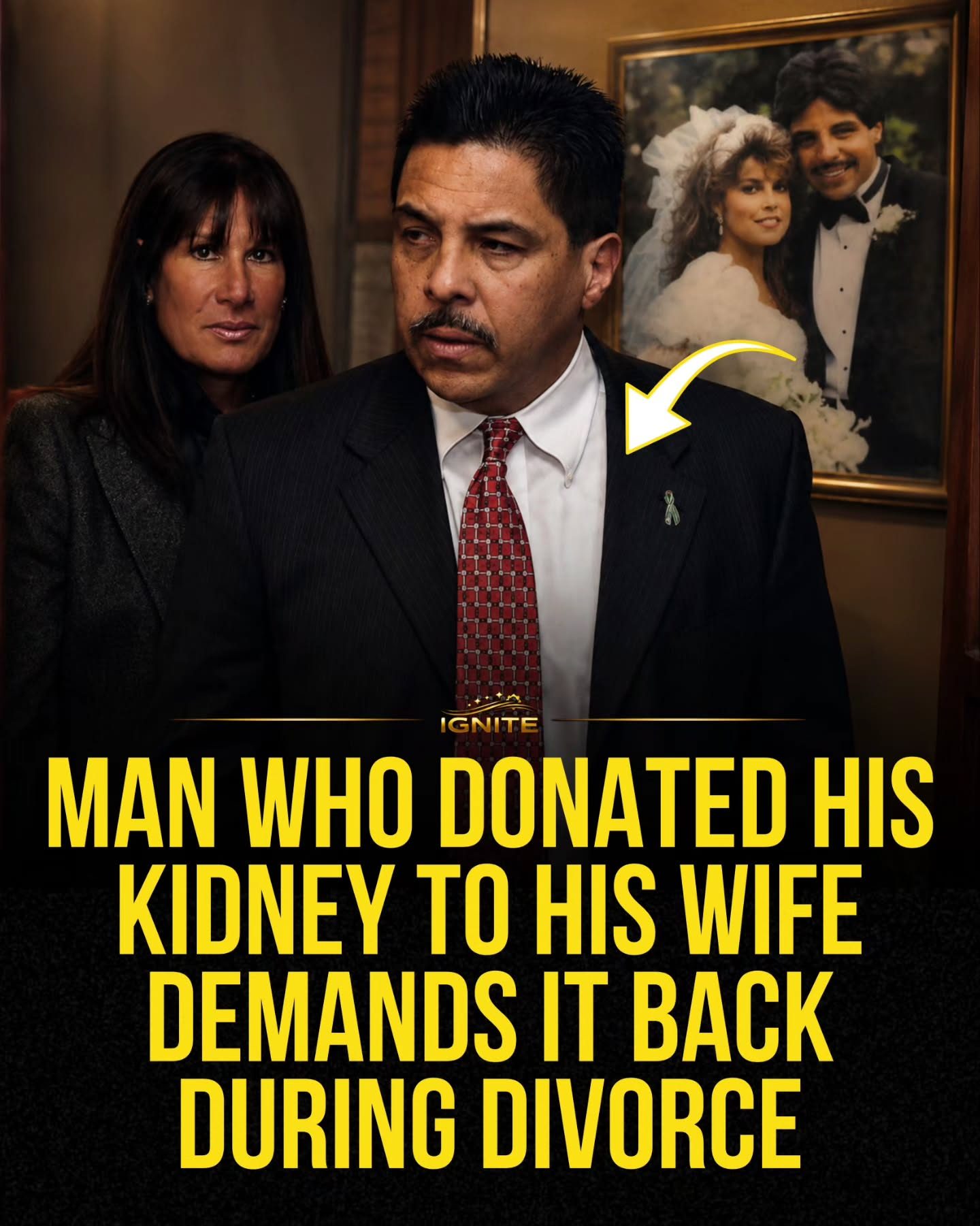
Divorce proceedings can often become contentious, with financial and emotional complexities coming to the fore. When organ donation is part of a couple's history, the legal and ethical issues that arise can become especially difficult to navigate. A recent case involves a man who donated a kidney to his wife, only to later demand the organ back during their divorce proceedings.
Why This Matters
Organ donation is a profound act of love and generosity, often undertaken by family members for loved ones in need. When a couple decides to end their marriage, these acts can become points of contention. The debate surrounding organ donation within the context of divorce raises critical questions about the legal framework governing organ transplants and the ethical implications of such requests. Understanding the nuances of this case can offer valuable insights into the intersection of medical ethics, legal proceedings, and personal relationships.
The Complexities of Organ Donation in Divorce
The Legal Framework
When an individual donates an organ to a spouse, it is typically understood as a permanent gift. However, the legal system has yet to fully address the unique circumstances that can arise during a divorce. The legal system faces the challenge of balancing the rights and needs of both parties, while also considering the medical implications of a potential reverse transplant.
The case involving the man who donated a kidney to his wife highlights the need for clearer legal guidelines. In many jurisdictions, there are no specific laws addressing the reversal of organ donations in divorce cases. This lack of clarity can lead to protracted legal battles and emotional turmoil for both parties. Legal experts are calling for legislative reforms to better address these complex situations.
Ethical Considerations
The ethical implications of demanding an organ back during a divorce are profound. Organ donation is often framed as a selfless act, motivated by love and a desire to save a life. When a donor later seeks to reclaim the organ, it can be seen as a betrayal of that original intent.
Ethicists point out that the emotional and psychological impact on the recipient could be devastating. For the recipient, the organ represents more than just a medical necessity; it symbolizes the love and sacrifice of the donor. Demanding the organ back could be perceived as a harsh and unfeelingly action, further straining an already contentious relationship.
Medical Implications
From a medical perspective, the feasibility of reversing an organ donation is fraught with challenges. Kidney transplants are complex procedures, and the potential complications of a reverse transplant are significant. Factors such as the recipient's health status, the condition of the donated organ, and the potential risks of the surgery must all be considered.
Doctors emphasize that such procedures should only be undertaken in exceptional circumstances and with full consideration of the medical risks involved. The emotional and psychological well-being of both parties is also a critical factor. Medical professionals are urging greater consideration of these issues as part of the decision-making process.
Practical Tips for Navigating Organ Donation in Divorce
Seek Legal Advice
Given the complexities involved, it is crucial to seek legal advice from professionals experienced in both family law and medical ethics. A knowledgeable attorney can help navigate the legal intricacies and advocate for fair and ethical outcomes.
Consider Mediation
Mediation can offer a less adversarial approach to resolving disputes. By working with a neutral mediator, both parties can explore their options and come to an agreement that respects the emotional and legal complexities of the situation.
Consult Medical Professionals
It is essential to consult with medical professionals who can provide guidance on the potential risks and complications of a reverse transplant. Their expertise can help ensure that any decisions made are informed by the best available medical knowledge.
Important Takeaways
Divorce and organ donation present a unique and challenging intersection of legal, ethical, and medical issues. The recent case of a man demanding his donated kidney back from his wife serves as a stark reminder of the complexities involved. Clearer legal guidelines and greater consideration of ethical and medical implications are needed to address these situations fairly and compassionately. The case highlights several key points:
- Legal frameworks need to be developed to address organ donation in divorce cases.
- Ethical considerations must be at the forefront of any decisions made.
- Medical implications should be thoroughly evaluated to ensure the well-being of both parties.
- Legal and medical professionals should be consulted to navigate these complex issues effectively.
Conclusion
The intersection of divorce and organ donation is a delicate and multifaceted issue. By understanding the legal, ethical, and medical complexities involved, we can better navigate these challenging situations. Seeking professional guidance and considering the emotional and physical well-being of both parties is crucial in reaching fair and ethical resolutions. As the legal system continues to evolve, greater clarity and consideration of these issues will be necessary to ensure the best outcomes for all involved.
Watch the Reel
Questions readers ask
Can a donor legally reclaim a donated kidney during a divorce?
In most jurisdictions, once an organ is donated, it becomes the property of the recipient. This means that a donor typically cannot legally reclaim a donated kidney, even during a divorce. However, laws can vary, so it's crucial to consult with a legal professional who specializes in family law and organ donation cases.
What factors should be considered when organ donation is part of a couple's history?
When organ donation is part of a couple's history, several factors should be considered, including the emotional and physical health of both parties, the impact of the organ donation on the recipient's quality of life, and the potential legal implications. Clear communication and open dialogue are key in addressing these factors.
Are there any legal precedents for reclaiming a donated organ?
Legal precedents for reclaiming a donated organ are rare and vary by jurisdiction. Most courts have ruled that once an organ is transplanted, it becomes the property of the recipient. However, each case is unique, and it's important to consult with a legal professional to understand the specifics of your situation.
What kind of agreements should be in place before organ donation in a marital relationship?
Before organ donation within a marital relationship, it is advisable to have a clear, written agreement outlining the terms and conditions of the donation. This agreement can help mitigate future disputes and should be reviewed by a legal professional.
How can organ donation impact divorce settlements?
Organ donation can impact divorce settlements, particularly concerning financial or emotional compensation and custody arrangements. It is important to consider that the legal and emotional complexities involved in such cases can be significant, making it essential to seek legal advice early in the divorce process.
Why is it important to consult with a legal professional in cases involving organ donation and divorce?
Consulting with a legal professional in cases involving organ donation and divorce is important because these cases are complex and nuanced. A legal expert can provide guidance tailored to your specific situation, helping you navigate the legal landscape and understand your rights and obligations.
What are the ethical considerations in reclaiming a donated organ?
Ethical considerations in reclaiming a donated organ revolve around the autonomy, well-being, and dignity of both the donor and the recipient. The ethical implications underscore the need for clear communication, mutual consent, and a thorough understanding of the potential consequences before organ donation.
Recent articles
Fresh deep dives from the latest Reels we unpacked.




Comments
Be the first to comment.