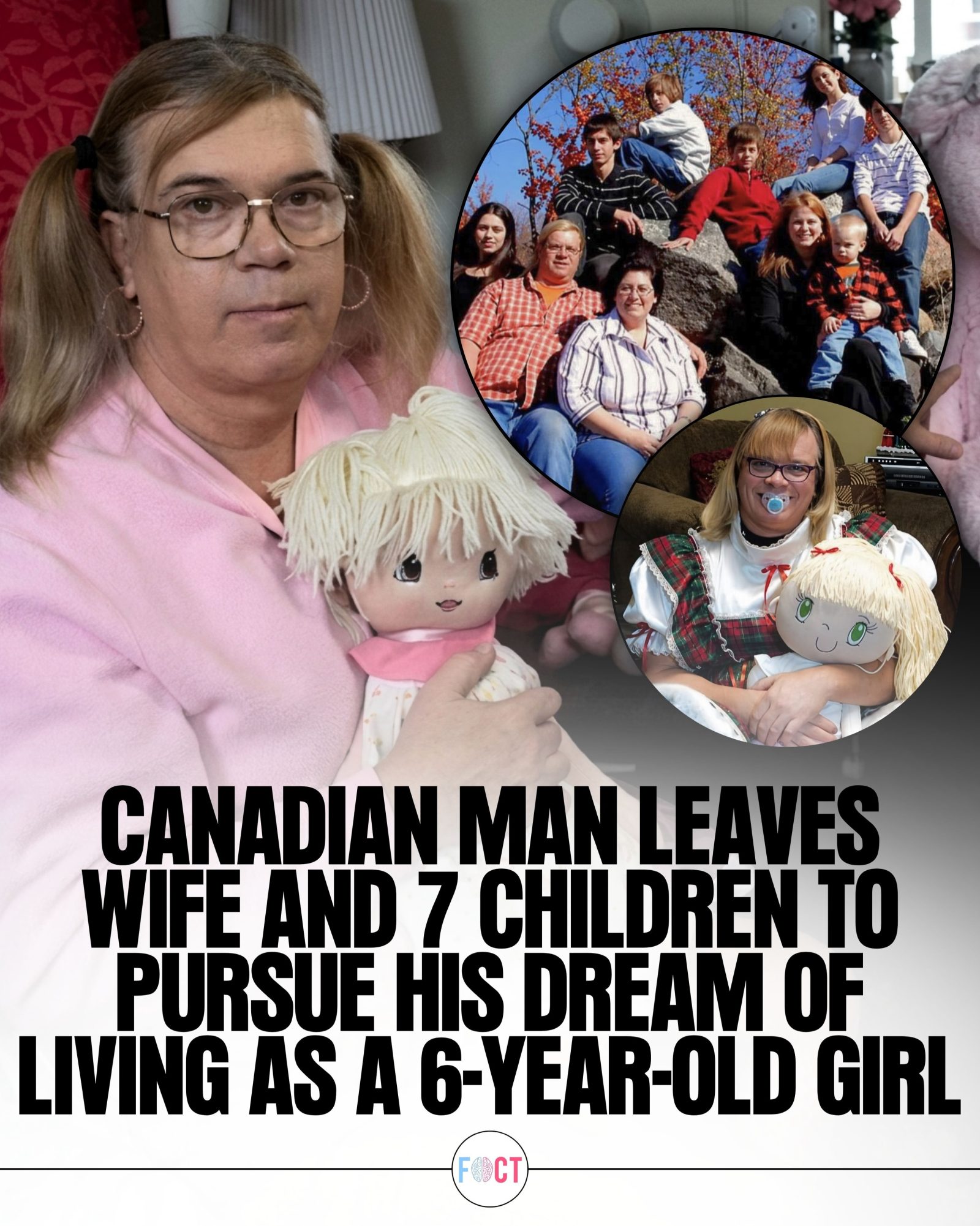
The Unexpected Journey of Stefonknee Wolscht
Stefonknee Wolscht, a 46-year-old from Canada, made a dramatic decision to leave his family life behind and live as a 6-year-old girl. This unusual story sparks intense reactions and raises profound questions about identity, personal freedom, and societal boundaries.
Context: Why this matters
The story of Stefonknee Wolscht challenges traditional notions of identity and personal freedom. By choosing to live as a 6-year-old girl, Wolscht has sparked a global conversation about the extent to which individuals can pursue their dreams, even if it means radically altering their lives and roles. This story also highlights the complex interplay between societal expectations, personal identity, and the pursuit of happiness.
Wolscht's Decision to Leave His Family
Wolscht's story begins with his decision to separate from his wife of 23 years. This significant life change was motivated by a desire to transition and escape the pressures of adulthood. After the separation, he began hormone therapy, a step that marked the beginning of his journey to live as a 6-year-old girl. This decision was not taken lightly, as it involved leaving behind a life that included seven children.
Hormone Therapy and Transition
Hormone therapy is a crucial part of many transitions, allowing individuals to align their physical characteristics with their desired gender identity. For Wolscht, this therapy was a means to escape the pressures of adulthood and embrace a childhood that he felt he had missed. The process involves medical intervention to alter hormone levels, which can have profound effects on the body. Wolscht's choice to undergo this therapy underscores the depth of his commitment to his new identity.
The Role of the Older Couple
After beginning hormone therapy, Wolscht was taken in by an older couple who treat him as they would a granddaughter. This support is critical, as it provides a stable environment for Wolscht to continue his chosen lifestyle. The couple's acceptance and encouragement are essential in a world where such choices are often met with skepticism or outright rejection.
The Public and Online Reactions
The story of Stefonknee Wolscht has sparked intense reactions online, with many people wondering how far personal freedom can go. There are many questions about identity, mental health, and the limits of personal choices. Some argue that Wolscht's decision is a brave expression of personal freedom, while others see it as a radical departure from societal norms. These discussions reflect the complex nature of identity and the challenges of balancing personal desires with societal expectations.
Mental Health Considerations
Wolscht's decision to live as a 6-year-old girl raises important questions about mental health. Individuals who make such drastic life changes may be driven by deep-seated psychological needs or traumas. It is essential to approach this story with empathy and understanding, recognizing that mental health is a complex and multifaceted issue. Support from mental health professionals can be crucial in navigating such life-altering decisions.
The Broader Implications for Society
The story of Stefonknee Wolscht challenges society to rethink its norms and expectations. It asks us to consider how far we are willing to go in accepting personal choices that diverge from the norm. This story also highlights the importance of support systems for individuals making such radical changes. The older couple who took Wolscht in serves as a powerful example of acceptance and support, showing that even in the face of unconventional choices, compassion and understanding can make a significant difference.
Practical tips
When considering a life change as radical as Stefonknee Wolscht's, it's crucial to seek professional support. This includes consulting with mental health professionals, medical experts, and support groups. It is also essential to build a strong support network of friends and family who can offer understanding and encouragement. Here are some practical steps to consider:
- Seek Professional Help: Consult with mental health professionals to understand the psychological aspects of your decision. They can provide guidance and support throughout the transition.
- Build a Support Network: Surround yourself with people who understand and accept your choices. This can include friends, family, or support groups.
- Medical Guidance: If considering hormone therapy or other medical interventions, consult with healthcare providers to understand the potential risks and benefits.
- Plan Financially: Significant life changes often come with financial implications. Plan your finances carefully to ensure stability during the transition.
- Communicate Openly: Be open and honest with those around you about your decisions and the reasons behind them. Clear communication can help build understanding and support.
- Self-Care: Prioritize self-care to manage stress and maintain mental and emotional well-being during the transition.
Important takeaways
Stefonknee Wolscht's story serves as a poignant reminder of the complexities of personal identity and freedom. It highlights the importance of support systems, mental health considerations, and the challenges of navigating societal expectations. While Wolscht's choice is extreme, it raises important questions about how far individuals can go in pursuing their dreams and the role of society in supporting or rejecting such choices.
Ultimately, Wolscht's story underscores the importance of empathy, understanding, and acceptance. It encourages us to consider the depth of personal struggles and the courage it takes to make such life-altering decisions. By approaching such stories with compassion, we can better understand the complexities of human identity and the pursuit of happiness.
Conclusion
The journey of Stefonknee Wolscht is a profound exploration of identity, personal freedom, and societal norms. It challenges us to think deeply about our own beliefs and the extent to which we are willing to support unconventional choices. As society continues to evolve, stories like Wolscht's remind us of the importance of empathy, understanding, and the pursuit of personal happiness, regardless of how unconventional the path may be.
Watch the Reel
Questions readers ask
What motivated Stefonknee Wolscht to leave his family and live as a 6-year-old girl?
Stefonknee Wolscht's decision was driven by a deep exploration of his identity, and a pursuit of personal happiness. He felt that living as a 6-year-old girl aligned more with his true self, leading him to abandon his adult life and family roles.
How does Wolscht's journey challenge societal norms?
Stefonknee Wolscht's decision challenges traditional notions of identity and personal freedom. By choosing to live as a 6-year-old girl, he defies societal expectations and prompts a global conversation about the extent to which individuals can alter their lives to pursue their personal identity.
What role does hormone therapy play in Wolscht's transformation?
Hormone therapy is a key component of Stefonknee Wolscht's journey. It helps him physically align with his desired identity as a 6-year-old girl, supporting his quest to live a life that better reflects his true self. The therapy is just one of the steps he has taken in his personal freedom journey.
How has Wolscht's decision impacted his family and friends?
Stefonknee Wolscht's decision has significantly impacted his family, as he left them to pursue his new life. While the reactions from family and friends are not detailed, the story highlights the challenges of such a dramatic personal identity quest and the complexities of societal norms.
What can we learn from Stefonknee Wolscht's story about personal identity?
Wolscht's story underscores the importance of exploring and embracing one's true self, even if it means making radical changes in life. It encourages us to think deeply about the pursuit of happiness and the complexities of identity in a world with societal boundaries and expectations. He has underlined the importance of personal freedom in the identity exploration journey
Is Stefonknee Wolscht the first person to take such a dramatic step for personal identity?
While Stefonknee Wolscht's story has gained significant attention, he is not the first person to make dramatic life changes in pursuit of personal happiness and identity. Throughout history, there have been instances of individuals radically altering their lives to align with their true selves.
Recent articles
Fresh deep dives from the latest Reels we unpacked.




Comments
Be the first to comment.