Peafowl Gender Differences
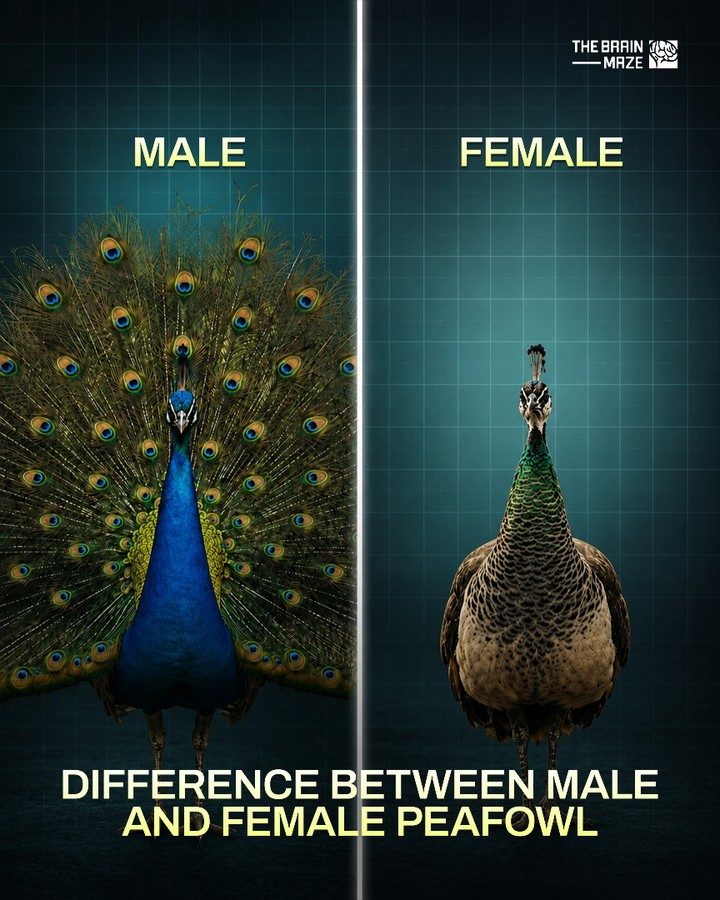
Peafowl, known for their striking appearances, exhibit dramatic differences between males and females. These differences are primarily driven by sexual selection, where males, known as peacocks, develop vibrant plumage and elaborate tail feathers to attract mates. In contrast, females, called peahens, have more subdued, camouflaged feathers to protect themselves and their chicks from predators.
Context / Why this matters
Understanding the differences between male and female peafowl goes beyond mere curiosity. These distinctions are deeply rooted in the birds' evolutionary strategies for survival and reproduction. Peacocks' elaborate displays serve as a visual signal of genetic fitness, while peahens' camouflage is crucial for nesting and protecting their offspring. This knowledge can be fascinating for wildlife enthusiasts and important for conservation efforts.
Main discussion
Sexual selection and plumage
The most striking difference between male and female peafowl lies in their plumage. Males, or peacocks, are known for their brilliant blue plumage and long, iridescent tail feathers. These feathers are covered in eye-like patterns, known as oculi, which create a shimmering effect that can be seen from a distance. The elaborate tail feathers, which can span up to 6 feet, are used in elaborate courtship displays to attract females.
Females, or peahens, on the other hand, have more muted brown and green feathers. This coloration provides excellent camouflage, helping them blend into their surroundings while nesting. This camouflage is crucial for protecting them and their chicks from predators. The different mating roles of male and female peafowl are reflected in their plumage.
The role of tail feathers
The tail feathers of peacocks, known as a "train," play a significant role in courtship displays. During these displays, the peacock will fan out its tail feathers, shake them, and move them around to create a visual spectacle for the peahens. The more elaborate and vibrant the tail feathers, the more attractive the peacock is considered to be.
The tail feathers also serve as a fitness indicator. Only healthy peacocks with strong immune systems can develop and maintain such elaborate and vibrant tail feathers. This is why peahens often select mates based on the quality of their tail feathers.
Nesting and camouflage
While peahens do not have the elaborate plumage of peacocks, their muted brown and green feathers play a vital role in their survival and that of their offspring. This camouflage helps them blend into the forest floor, making it easier to hide from predators while nesting.
Peahens typically build their nests on the ground in dense vegetation. The camouflage provided by their feathers helps them stay hidden from predators such as snakes, foxes, and birds of prey. This is crucial for protecting their eggs and newly hatched chicks, which are particularly vulnerable.
Defense mechanisms
Peafowl are generally not aggressive, but they do have defense mechanisms that they use to protect themselves and their offspring. Peacocks, with their large size and sharp spurs on their feet, can be quite formidable. They will often use their size and strength to scare off potential threats.
Peahens, while smaller and less visually impressive, are equally protective of their offspring. They will often use their camouflage to hide and their sharp beaks and talons to defend themselves and their chicks.
Practical Tips
Observing and studying peafowl can be a rewarding experience. Here are some practical tips for those interested in learning more about these fascinating birds:
How to spot the differences
When trying to identify male and female peafowl, look for the following characteristics:
- Coloration: Males have vibrant blue plumage, while females have more subdued brown and green feathers.
- Tail feathers: Males have long, iridescent tail feathers covered in eye-like patterns, while females have shorter, less elaborate tail feathers.
- Size: Males are generally larger than females, with a more robust build.
Best practices for wildlife observation
When observing peafowl or any other wildlife, it's essential to follow best practices to minimize disturbance and ensure the safety of both the observer and the animals. Here are some tips:
- Keep a safe distance: Use binoculars or a camera with a zoom lens to observe the birds from a distance. This will help minimize disturbance and allow you to see more natural behavior.
- Be quiet and patient: Peafowl are generally skittish and can be easily startled. Be quiet and patient, and allow the birds to come to you.
- Respect their habitat: Always respect the birds' habitat and avoid disturbing their nests or chicks.
Important takeaways
Peafowl gender differences are a result of sexual selection and play a crucial role in the birds' survival and reproduction. The vivid plumage and elaborate tail feathers of peacocks serve as a visual signal of genetic fitness, while the camouflage of peahens is crucial for protecting them and their offspring. Understanding these differences can be fascinating for wildlife enthusiasts and important for conservation efforts.
Conclusion
The dramatic differences between male and female peafowl are a testament to the wonders of nature. From the vibrant plumage and elaborate tail feathers of peacocks to the camouflage and protective nature of peahens, these birds exhibit unique and fascinating adaptations. Whether you're a wildlife enthusiast or simply curious about the natural world, studying peafowl and their behaviors can be a rewarding experience.
Watch the Reel
Questions readers ask
What are the primary differences between male and female peafowl?
The most notable differences are in their plumage. Male peafowl, or peacocks, have vibrant, shimmering tail feathers designed to attract mates. Females, or peahens, have more muted, camouflaged feathers to blend in with their surroundings, aiding in protection and survival.
Why do peacocks have such elaborate tail feathers?
Peacocks' elaborate tail feathers are a result of sexual selection. These feathers serve as a visual display to attract peahens, signaling the male's genetic fitness and health.
How does a peahen's camouflage benefit her?
A peahen's camouflaged plumage helps her hide from predators, which is crucial for her own safety and for protecting her chicks. This adaptation is essential for the survival of both the peahen and her offspring.
What role does sexual selection play in peafowl differences?
Sexual selection is the driving force behind the dramatic differences between male and female peafowl. It leads to the development of peacocks' elaborate feathers and peahens' camouflaged plumage, each serving different, yet equally important, roles in the species' survival and reproduction.
Can peahens and peacocks be distinguished by appearance alone?
Yes, peahens and peacocks can be distinguished by appearance alone. Peahens are smaller, with duller, brownish plumage, and lack the long, iridescent tail feathers that peacocks possess. These physical differences are clear indicators of their gender.
Why do peacocks display their feathers?
Peacocks display their feathers primarily to attract peahens. During mating season, the males will fan out their stunning tail feathers to impress potential mates. The larger and more vibrant the display, the more likely it is to attract a peahen.
What evolutionary advantages do these differences provide?
The differences between male and female peafowl provide distinct evolutionary advantages. For peacocks, the elaborate feathers increase their chances of attracting a mate and passing on their genes. For peahens, the camouflaged plumage enhances their survival rates and the protection of their young.
Related deep dives
Similar reads based on topic and creator.




Recent articles
Fresh deep dives from the latest Reels we unpacked.




Comments
Be the first to comment.