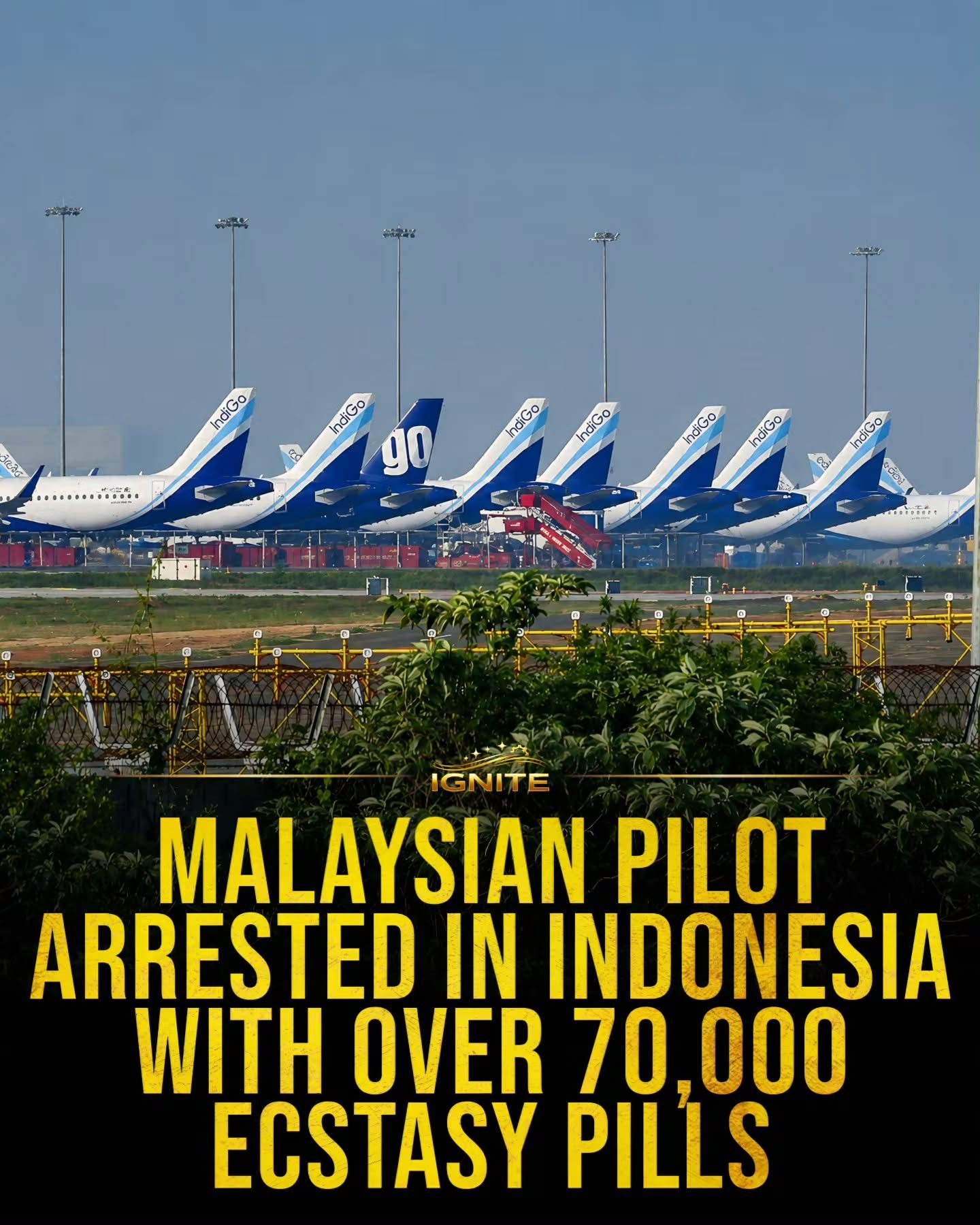
Arrest of a Malaysian Pilot in Indonesia
The recent arrest of a Malaysian pilot in Indonesia for alleged drug smuggling has sparked significant attention. The pilot was apprehended with an astonishing amount of ecstasy pills, highlighting the ongoing challenges in combating drug trafficking in the region. The incident underscores the importance of rigorous security measures and international cooperation in addressing such crimes.
Context / Why This Matters
The arrest of a Malaysian pilot in Indonesia carrying over 70,000 ecstasy pills is a stark reminder of the complex and pervasive nature of drug trafficking. This case involves a high-profile individual, adding a layer of intrigue and concern about the potential involvement of organized crime networks. The incident also raises questions about airport security and the measures in place to prevent such activities.
Main Discussion
The Incident
The pilot, working for the budget airline IndiGo, was arrested at an Indonesian airport. The discovery of over 70,000 ecstasy pills in his possession has shocked the aviation industry and the public. This incident is not the first of its kind, but the scale and nature of the drugs involved make it particularly noteworthy.
The Role of IndiGo
IndiGo, one of the largest low-cost airlines in India, has found itself in the spotlight. The airline operates extensive routes across Southeast Asia, and its involvement in such a high-profile case highlights the potential risks associated with international air travel. IndiGo has stated that it fully cooperates with authorities and is committed to maintaining high security standards.
The Legal Implications
The legal ramifications of this incident are severe. In Indonesia, drug trafficking is punished with harsh penalties, including the death sentence for severe offenses. The pilot faces a lengthy legal process and potentially life-altering consequences. This case could also impact international relations between Malaysia and Indonesia, as both countries grapple with the fallout from the incident.
The Security Implications
This arrest raises critical questions about airport security and the measures in place to detect and prevent drug smuggling. Airports are high-risk environments due to their international nature and the sheer volume of passengers and goods passing through. Enhanced security protocols and improved screening technologies are essential to mitigate such risks.
Practical Tips
For Airlines
Airlines should prioritize regular security training for their staff and implement advanced screening technologies. Regular audits and the use of canine units can also help in identifying potential smuggling attempts. Collaboration with international law enforcement agencies is crucial for sharing intelligence and preventing such incidents.
For Airports
Airports should invest in state-of-the-art screening equipment and train their staff to detect suspicious behavior. Enhanced cooperation between different security agencies and the use of advanced surveillance systems can also help in identifying and preventing drug trafficking attempts. Airports can also collaborate with airlines to ensure that their security measures are aligned and effective.
For Travelers
Travelers should be vigilant and report any suspicious activities they notice. Reporting to airport security or local authorities can help in preventing potential threats. Additionally, travelers should be cautious about who they interact with and what they carry, as they could unintentionally become involved in illegal activities.
Important Takeaways
The arrest of the Malaysian pilot in Indonesia highlights the ongoing battle against drug trafficking and the need for robust security measures at airports. This incident serves as a reminder of the potential risks involved in international air travel and the importance of vigilance and cooperation between airlines, airports, and law enforcement agencies. Enhanced security measures and regular training for staff are essential to prevent such incidents in the future.
Conclusion
The case of the Malaysian pilot arrested in Indonesia with over 70,000 ecstasy pills is a sobering reminder of the challenges faced in combating drug trafficking. It underscores the importance of stringent security measures and international cooperation. By implementing advanced technologies, regular training, and effective collaboration, airlines and airports can work together to create a safer and more secure travel environment. The ongoing efforts to combat drug trafficking and ensure the safety of travelers and staff are crucial in maintaining the integrity of the global aviation industry.
Watch the Reel
Questions readers ask
What is the significance of the Malaysian pilot's arrest in Indonesia?
The arrest of a Malaysian pilot with over 70,000 ecstasy pills in Indonesia highlights the sophisticated methods used in drug trafficking and raises concerns about the possible involvement of organized crime. It also underscores the challenges faced by law enforcement in deterring and detecting such activities.
How does this incident affect airport security measures?
This case brings into question the current security protocols at airports, especially those involving high-profile individuals like pilots. It prompts a review of existing measures and calls for enhanced screening processes to prevent future drug smuggling attempts.
What role might organized crime play in this drug trafficking incident?
The involvement of a pilot in drug trafficking suggests potential links to organized crime networks, which often exploit the trust and access afforded to aviation professionals. This incident emphasizes the need for vigilance and stricter oversight of individuals with privileged access to airports.
What are the implications for international cooperation in drug trafficking cases?
The arrest in Indonesia involving a Malaysian pilot demonstrates the need for robust international cooperation. Effective communication and collaboration between law enforcement agencies in different countries can help combat the transnational nature of drug trafficking operations.
How does this case compare to other drug smuggling incidents at airports?
This incident stands out due to the large quantity of ecstasy pills and the involvement of a pilot, which is relatively uncommon. It serves as a reminder of the ongoing challenges in airport security and the need for continuous improvement in detection and prevention strategies.
What preventative measures can airports implement to reduce drug smuggling?
Airports can enhance security by implementing advanced screening technologies, increasing surveillance, and conducting thorough background checks on employees and frequent travelers. Regular training and awareness programs for security personnel can also help identify and deter potential drug smuggling activities.
Related deep dives
Similar reads based on topic and creator.



Recent articles
Fresh deep dives from the latest Reels we unpacked.




Comments
Be the first to comment.