Billiard Ball Refurbishment: Restoring Glory to Your Game
Billiard ball refurbishment is a crucial process that ensures the longevity and performance of billiard balls. These balls, typically made from phenolic resin, are known for their durability and high-gloss finish. However, even the best-quality balls can degrade over time, especially with regular use. This degradation affects their performance, making it essential to refurbish them periodically.
Why Refurbishment Matters
Billiard balls, although hard and durable, accumulate dirt, chalk dust, and finger oils during regular play. These elements, combined with the micro-scratches that develop over time, can significantly impact the ball's trajectory and spin. A surface that is not clean or smooth can lead to unpredictable play, which is why professional players and venues prioritize regular cleaning and refurbishment.
The Refurbishment Process
The Role of Professional Polishing Machines
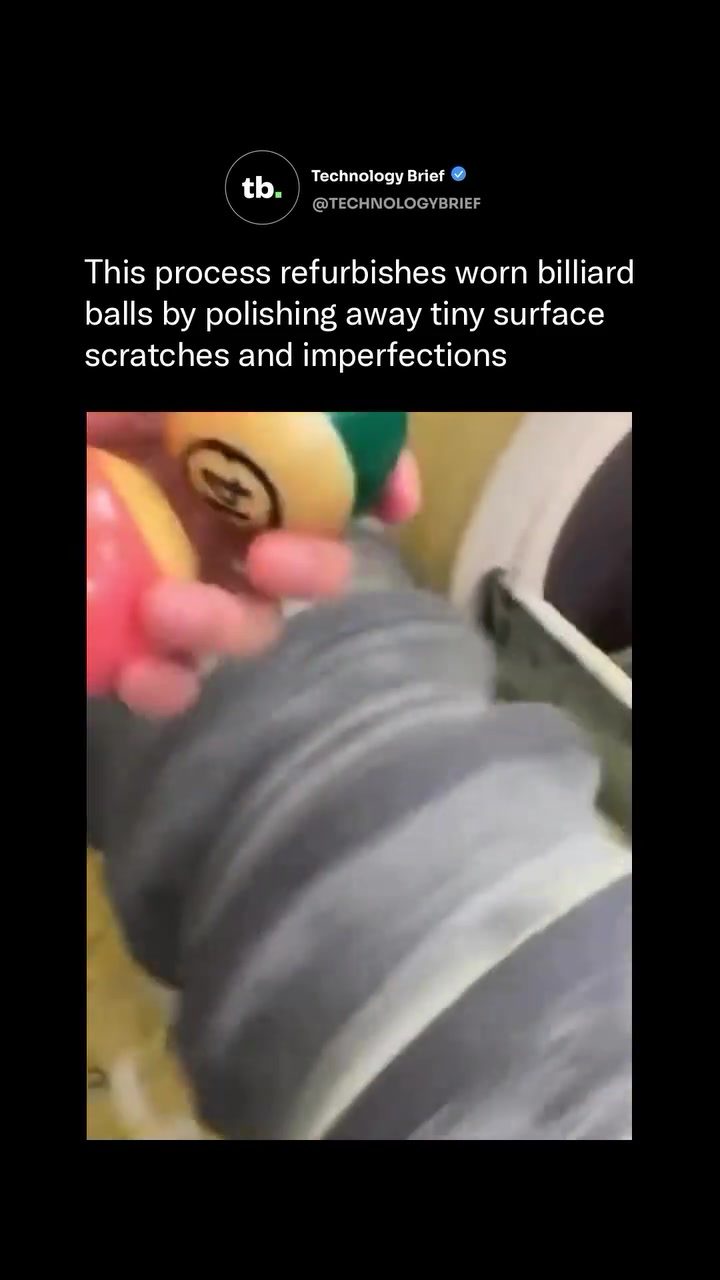
Professional billiard ball polishing machines are designed to efficiently remove all surface imperfections. These machines use two spinning rollers that press against each ball from opposite sides. This setup rotates the ball along multiple axes, ensuring that every part of the surface gets evenly buffed. The process removes chalk dust, finger oils, and the micro-scratches that build up after regular play, restoring the ball's surface to a near-factory condition.
The Polishing Mechanism
The polishing mechanism involves rotating the balls against a polishing surface. This action effectively removes scratches and imperfections, giving the balls a smooth and shiny finish. The process is far faster than polishing by hand, and some commercial polishers can handle a full set of 16 balls in a single pass.
Benefits of Machine Polishing
Machine polishing is preferred over manual polishing for several reasons. Firstly, it is much faster and more efficient. Secondly, it ensures a consistent and even finish across the entire surface of the ball. This consistency is crucial for maintaining the ball's performance and extending its lifespan, which can save significant costs in the long run.
Practical Tips for Billiard Ball Maintenance
Regular Cleaning
Regular cleaning is the first step in maintaining billiard balls. After each game, it is a good practice to wipe the balls with a soft, lint-free cloth to remove chalk dust and finger oils.
Weekly Inspections
Perform weekly inspections to check for any signs of wear and tear. Look for scratches, dull spots, or any other imperfections that might affect the ball's performance.
Professional Polishing
Consider professional polishing every few weeks, especially if the balls are used frequently. This will ensure that the balls maintain their glossy finish and perform optimally.
Important Takeaways
- Surface Quality: The quality of the ball's surface significantly impacts its performance. Regular refurbishment ensures that the surface remains smooth and even.
- Efficiency: Commercial polishing machines are far more efficient than manual polishing, saving time and effort.
- Cost Savings: Regular maintenance and refurbishment can extend the life of billiard balls, reducing the need for frequent replacements and saving costs.
Conclusion
Billiard ball refurbishment is a vital process that ensures the longevity and performance of your billiard balls. By understanding the process and implementing regular maintenance, you can keep your balls in top condition, enhancing your gameplay and extending the life of your equipment. Whether you are a casual player or a professional, taking care of your billiard balls will make a noticeable difference in your game.
Watch the Reel
Questions readers ask
What are the benefits of using a polishing machine for billiard balls?
Polishing machines effectively remove surface scratches, dirt, and oils that accumulate on billiard balls over time. This process restores the balls' smooth, shiny finish, enhancing their performance by improving trajectory and spin consistency.
How often should I refurbish my billiard balls?
The frequency of refurbishment depends on how often you play and the conditions of your game environment. As a general guide, consider refurbishing your billiard balls every 3-6 months or after every 50-100 hours of play.
Can I use a regular polishing machine for billiard balls?
No, It is best to use a polishing machine designed specifically for billiard balls. These machines are tailored to handle the unique material of the balls and can provide better results. Regular machines may not be effective and could potentially damage the balls.
What are the signs that my billiard balls need refurbishing?
Signs include visible scratches, a dull or faded finish, and inconsistent performance during gameplay. If you notice that the balls are not rolling smoothly or are not reacting as expected to spin, it is likely time for a refurbishment.
What are the steps involved in refurbishing billiard balls with a polishing machine?
The process typically involves cleaning the balls, placing them in the polishing machine, and allowing the machine to rotate and polish the balls. It also includes removing chalk dust and finger oils, and applying a finishing polish to restore the high-gloss finish.
Can I refurbish billiard balls manually without a machine?
While manual polishing is possible, it is time-consuming and may not achieve the same level of detail as a machine. Manual polishing also requires the right tools, such as specific polishing compounds, and it can be challenging to maintain consistency across all balls.
What advantages do professional billiard ball polishing services offer?
Professional services use specialized equipment and techniques to ensure that the balls are polished to the highest standard. They can also identify and address any deeper issues that might not be visible to the naked eye, such as internal cracks or imbalances.
Related deep dives
Similar reads based on topic and creator.


Recent articles
Fresh deep dives from the latest Reels we unpacked.




Comments
Be the first to comment.