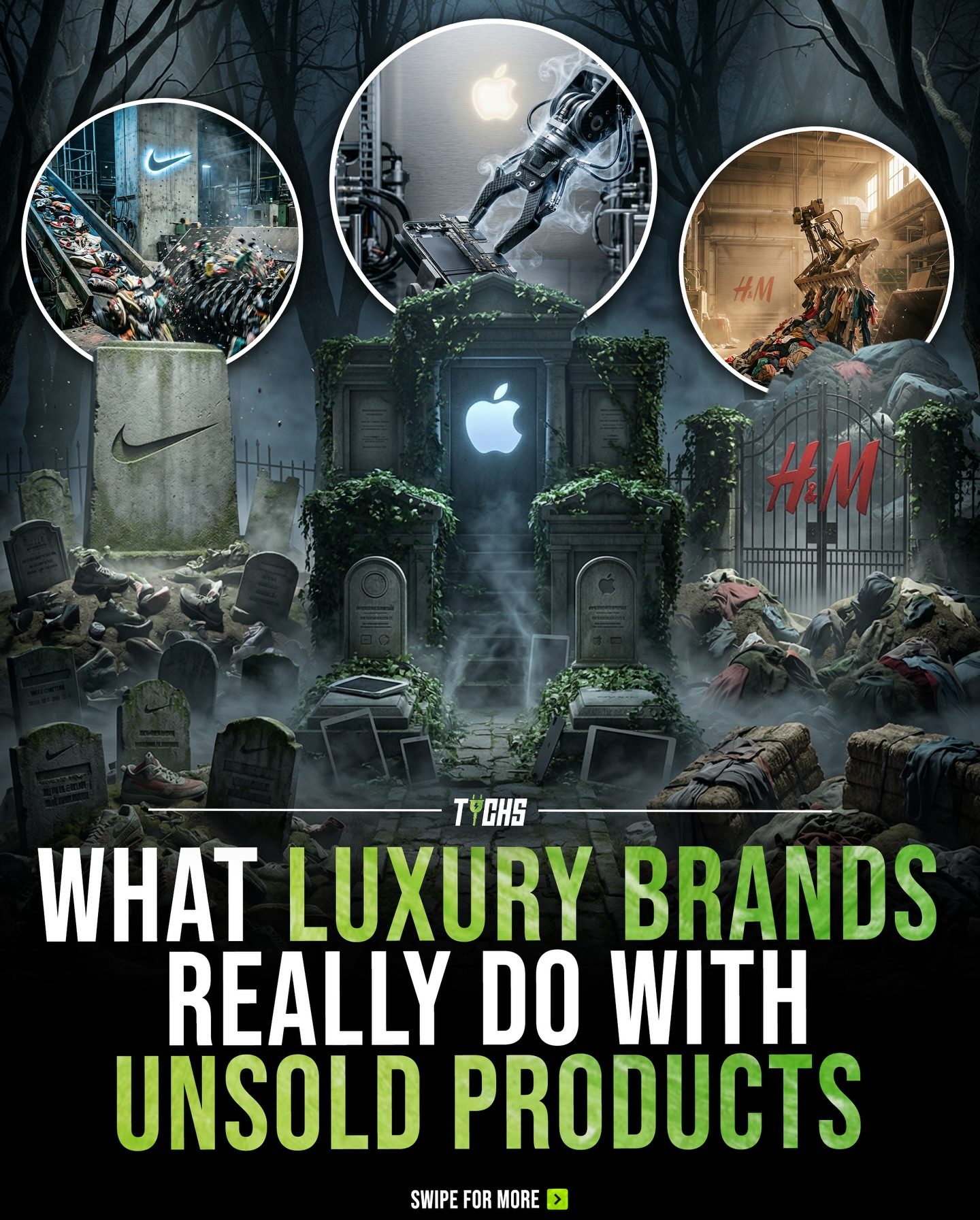
Luxury Brands and the Complex Reality of Unsold Products
When it comes to luxury brands, the management of unsold products is a strategic balancing act. These brands meticulously handle excess inventory to maintain exclusivity, pricing, and brand image. The reality behind these practices, however, is often more intricate than commonly perceived.
Why This Matters
Luxury brands operate in a delicate ecosystem where scarcity and exclusivity drive value. Unsold products pose a significant challenge, as they can undermine brand perception and devalue the brand if dealt with improperly. Thus, luxury brands employ various strategies to manage unsold inventory, from recycling to destroying products, and even controlling supply to avoid discounts.
Historical Practices and Public Backlash
Some luxury brands have opted for extreme measures, such as destroying unsold products to preserve brand value. Burberry, for instance, was known for burning unsold goods in an effort to protect its brand image. However, this practice faced significant public backlash, leading Burberry to discontinue it. The public scrutiny highlighted a growing concern for sustainability and ethical practices in the luxury fashion industry. Companies like Nike and H&M have also faced criticism for past actions involving the destruction of unsold goods, driving them to adopt more sustainable and recycling-focused strategies in response to consumer outrage.
Modern Strategies in Luxury Brand Management
With the shift towards sustainability, luxury brands are rethinking their approaches to managing unsold products. For example, Apple focuses on disassembling and recovering materials from unsold devices, which aligns with modern environmental concerns. In contrast, Chanel and Rolex maintain exclusivity by limiting supply rather than relying on heavy discounting or product destruction.
The Role of Exclusivity and Supply Control
Many luxury brands use supply control as a primary strategy to manage unsold products. By carefully managing supply, these brands ensure that their products remain exclusive and highly sought after. Chanel, for instance, focuses on limiting supply to avoid the need for discounts, maintaining the perceived value of their handbags. Similarly, Rolex and Cartier often manage supply to ensure their products remain exclusive. This approach not only preserves brand value but also reduces the environmental impact typically associated with product destruction or deep discounting strategies.
Behind the Scenes: How Luxury Brands Handle Unsold Goods
Luxury brands' practices regarding unsold inventory can be quite diverse, but they are all driven by the need to maintain exclusivity and brand value. While some brands have historically engaged in product destruction, many are now moving towards more sustainable practices.
Sustainable Practices and Material Recovery
Modern luxury brands are increasingly focusing on sustainability. The shift towards recycling materials and adopting eco-friendly practices is evident, especially among brands like Apple and Cartier. These brands are exploring ways to recover materials from unsold goods, aligning with growing consumer demands for environmental responsibility. Luxury brands are now prioritizing the reuse of materials and reduction of waste, leading to innovative recycling efforts that promote sustainability.
Practical Tips for Luxury Brands
For luxury brands looking to manage unsold inventory effectively, several practical approaches can be considered:
- Evaluate Product Destruction: Before engaging in product destruction, brands should weigh the potential long-term impacts on brand image and sustainability.
- Enhance Recycling Efforts: Develop robust recycling and material recovery programs to minimize waste and support environmental initiatives.
- Control Supply: Implement supply control strategies to prevent excess inventory and reduce the need for drastic measures like product destruction.
- Promote Sustainability: Integrate sustainable practices into brand operations, aligning with consumer expectations for ethical and environmentally responsible practices.
Important Takeaways
The management of unsold luxury goods is a multifaceted issue that requires careful consideration of sustainability, brand image, and consumer sentiment. Luxury brands must adapt to evolving consumer expectations and environmental concerns, shifting from historical practices of product destruction to more sustainable and ethical solutions.
Sustainable Strategies: A Growing Trend
As luxury brands evolve, the trend towards sustainability is becoming more pronounced. Many luxury fashion houses are now focusing on recycling, reusing materials, and adopting eco-friendly practices. This shift reflects a broader industry movement towards ethical and responsible business practices, driven by increasing consumer awareness and demand for sustainability. By incorporating these sustainable initiatives, luxury brands can continue to protect their exclusivity and pricing power while addressing environmental and social concerns.
Watch the Reel
Questions readers ask
Why do luxury brands destroy unsold goods?
Luxury brands like Chanel and Burberry often destroy unsold goods to protect their brand image and maintain exclusivity. By destroying excess stock, they prevent devaluation of their products and preserve their high-end reputation. This practice ensures that their products remain desirable and scarce, rather than flooding the market with discounted items.
What are some sustainable alternatives to destroying unsold luxury goods?
Many luxury brands are adopting more sustainable practices to manage unsold goods. These include recycling materials, repurposing products, and donating items to charity. For example, some brands have partnered with organizations to ensure their unsold goods are used in meaningful ways, aligning with their corporate social responsibility initiatives.
How does the disposal of unsold goods impact a luxury brand's image?
The way a luxury brand handles unsold goods can significantly impact its public perception. If a brand is seen as wasteful or irresponsible, it can damage its reputation. On the other hand, brands that implement sustainable and responsible disposal methods, such as Apple, enhance their image by demonstrating a commitment to sustainability and ethical practices.
What role does supply chain management play in handling unsold luxury goods?
Effective supply chain management is crucial for luxury brands to minimize unsold inventory. By carefully controlling production, forecasting demand accurately, and optimizing inventory levels, brands can reduce the amount of unsold goods. This strategic approach helps maintain brand value and prevents the need for large-scale disposal or destruction.
How do luxury brands like Nike and Burberry balance brand protection with sustainability?
Nike and Burberry, among other luxury brands, are increasingly focusing on sustainability while protecting their brand value. They achieve this by implementing recycling programs, using eco-friendly materials, and partnering with organizations to repurpose unsold goods. These efforts ensure that their practices align with modern consumer expectations for sustainability and ethical business operations.
What are the potential consequences of luxury brands flooding the market with discounted unsold goods?
If luxury brands flood the market with discounted unsold goods, it can lead to a devaluation of their brand. Consumers may perceive the brand as less exclusive and high-end, which can erode brand loyalty and reduce the perceived value of current and future products. Therefore, luxury brands often opt for strategies that maintain scarcity and exclusivity, even if it means destroying or recycling excess inventory.
How do luxury brands decide whether to destroy, donate, or recycle unsold products?
Luxury brands base their decisions on various factors, including the type of product, its condition, and market demand. For high-end goods that are time-sensitive or easily replicable, destruction may be chosen to maintain exclusivity. For products in good condition, donation or recycling is often preferred to align with sustainability goals and corporate social responsibility initiatives.
Related deep dives
Similar reads based on topic and creator.



Recent articles
Fresh deep dives from the latest Reels we unpacked.




Comments
Be the first to comment.