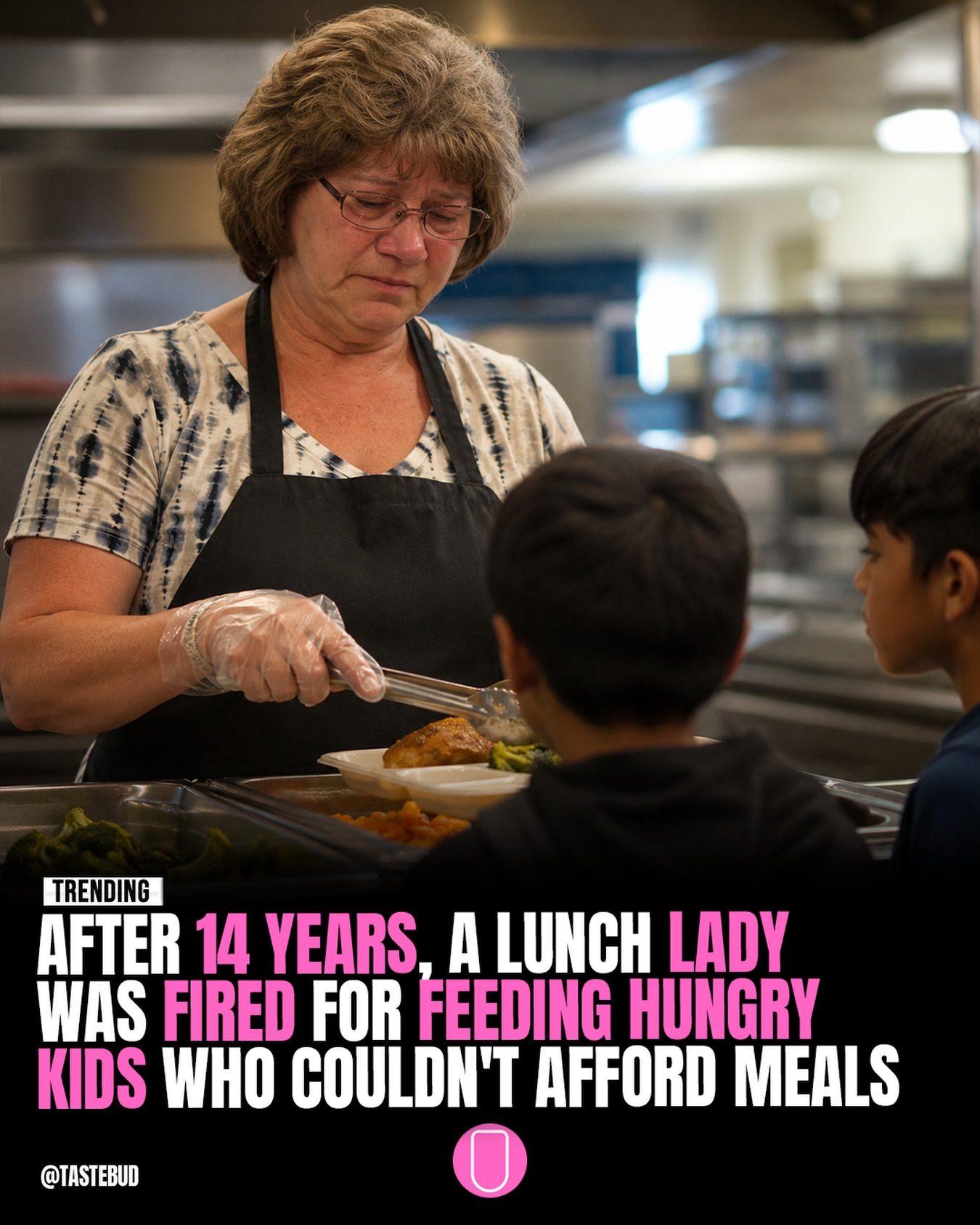
The School Lunch Lady Who Sparked a National Conversation
A school kitchen manager in Colorado made headlines after being fired for feeding students who couldn't afford lunch. Her act of compassion, which involved paying out of pocket and sometimes bypassing the system to ensure children were fed, ignited a national conversation about school lunch policies.
Why This Matters
The story of this lunch lady, who had worked for 14 years, highlights the harsh realities of school lunch programs and the impact of policy decisions on students. Her actions sparked a broader discussion about hunger and inequality in schools, ultimately leading to changes in meal programs across multiple states. This conversation is crucial for understanding the systemic issues at play and the need for more inclusive and compassionate policies.
The Incident
The lunch lady, working in a school cafeteria, saw firsthand the consequences of students being unable to afford meals. Instead of letting children go hungry or receive inadequate substitutes, she took it upon herself to ensure they were fed properly. This involved paying for meals out of her own pocket and sometimes navigating around the system to make sure no child was left hungry.
The Aftermath
Her decision to feed the hungry students cost her her job. The school district terminated her employment, citing violations of protocol. This sparked a national outrage, with many questioning the logic behind firing someone for showing compassion to hungry children. The public backlash was significant, driving a broader conversation about the inadequacies of school lunch policies and the need for change.
The Impact
The outrage and support for the lunch lady led to a shift in public opinion and policy. Multiple states began to push for changes in their school lunch programs, aiming to provide free meals to all students. This movement highlighted the importance of ensuring that no child goes hungry during school hours, a critical factor in their ability to learn and thrive.
The Broader Conversation
The incident brought to light several key issues within school lunch programs:
Funding and Equity
One of the primary concerns is the lack of adequate funding for school meal programs. Many schools operate on tight budgets, which can limit the quality and quantity of meals provided. This disparity often affects low-income students the most, leading to inadequate nutrition and potential learning barriers.
Policy and Implementation
The policies governing school meals also came under scrutiny. Rigid rules and regulations can sometimes hinder the ability of school staff to provide adequate meals to students in need. The incident highlighted the need for more flexible and compassionate policies that prioritize the well-being of students over bureaucratic constraints.
The Role of Compassion
The lunch lady’s actions demonstrated the power of compassion in addressing systemic issues. Her decision to feed hungry students, despite the personal cost, underscored the importance of empathy and kindness in public service roles. This compassion can serve as a model for others in similar positions, encouraging a more empathetic approach to public service.
Practical Tips
For those in similar roles or positions of authority, here are some practical tips to consider:
Advocate for Change
If you see a need for change in your school or district, advocate for it. Reach out to administrators, school boards, and local representatives to voice your concerns and propose solutions. Public support and awareness can drive significant policy changes.
Seek Support
If you find yourself in a position where you need to act compassionately but face policy barriers, seek support from your community. They can help you navigate the system and find legal or alternative ways to ensure students are taken care of.
Stay Informed
Stay informed about local and national conversations around school meal programs. Being aware of ongoing debates and policy changes can help you better advocate for your students and colleagues.
Important Takeaways
The Power of Compassion
The story of the lunch lady who was fired for feeding hungry children underscores the power of compassion. Her actions, though personally costly, sparked a national dialogue about the need for change. These actions demonstrate that individuals can make a significant impact, even in the face of adversity.
The Need for Policy Change
The incident highlights the urgent need for policy change in school meal programs. Rigid rules and inadequate funding often prevent school staff from providing the necessary support to students. Flexible and compassionate policies can ensure that all students have access to nutritious meals.
The Role of Public Support
Public support and awareness can drive significant policy changes. The outrage and support for the lunch lady’s actions demonstrate the power of community involvement in advocating for better policies. It underscores the importance of staying informed and engaged in local and national conversations.
Conclusion
The story of the lunch lady who was fired for feeding hungry children is a powerful reminder of the importance of compassion and the need for policy change. Her actions sparked a national conversation about school lunch programs, leading to significant changes in multiple states. This story serves as a call to action, encouraging individuals to advocate for better policies and stay informed about ongoing debates. By working together, we can ensure that all students have access to the support they need to thrive.
Watch the Reel
Questions readers ask
Why was the lunch lady in Colorado fired?
The lunch lady was fired for feeding hungry students who couldn't afford lunch. She did this by paying out of her own pocket, and sometimes by going around the official system to make sure that children were fed.
What has been the impact of the lunch lady's dismissal on school lunch programs?
The dismissal of the lunch lady sparked a national conversation about school lunch policies and the importance of addressing hunger and inequality in schools. As a result, changes in meal programs have been implemented across multiple states, leading to more compassionate and inclusive approaches to feeding students in need.
What can schools do to prevent hunger among students?
Schools can implement policies that ensure all students have access to nutritious meals, such as providing free school meals to those in need. Additionally, encouraging a culture of compassion and support for students facing hunger can help address this issue.
How can communities support students facing hunger?
Communities can support students facing hunger by advocating for policy changes, donating to local school meal programs, and volunteering time to help with school feeding programs. Raising awareness about the issue can also encourage others to get involved and make a positive impact.
What can be done to address the systemic issues in school lunch programs?
Addressing systemic issues in school lunch programs requires a multi-faceted approach, including policy changes, increased funding, and a commitment to ensuring that all students have access to nutritious meals. Encouraging open dialogue and community involvement can also help to identify and address the unique needs of each school community.
Related deep dives
Similar reads based on topic and creator.



Recent articles
Fresh deep dives from the latest Reels we unpacked.




Comments
Be the first to comment.