The Psychology of Loyalty and Disappointment
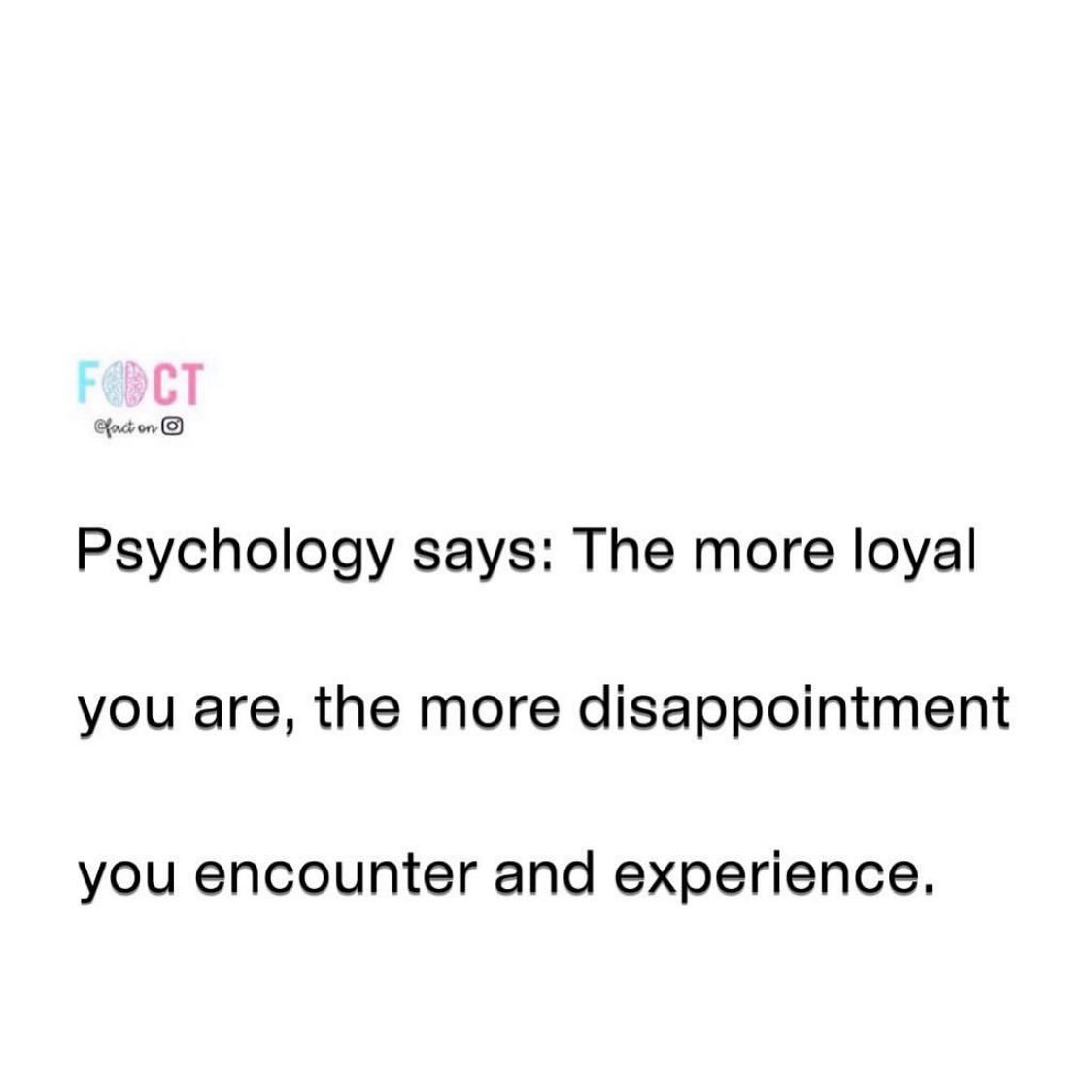
The relationship between loyalty and disappointment is a complex and often overlooked aspect of human psychology. The quote, "Psychology says: The more loyal you are, the more disappointment you encounter and experience," invites a deeper look into this dynamic.
Why This Matters
Understanding the interplay between loyalty and disappointment is crucial for maintaining healthy relationships, whether personal or professional. Loyalty is often seen as a virtue, but it can come with unexpected emotional costs. Recognizing these potential pitfalls can help individuals navigate their relationships more effectively and manage their expectations.
The Psychological Link Between Loyalty and Disappointment
The Nature of Loyalty
Loyalty is a deep sense of commitment and faithfulness to someone or something. It involves standing by someone through thick and thin, remaining steadfast in your support, and being true to your word. Loyalty is a key ingredient in building strong, enduring relationships. However, it is not without its challenges.
The Role of Expectations
One of the primary reasons loyalty can lead to disappointment is the role of expectations. When we are loyal to someone, we often have certain expectations about how they will behave or reciprocate our loyalty. If these expectations are not met, it can lead to feelings of disappointment and betrayal.
The Emotional Toll
The emotional toll of disappointment can be significant. It can erode trust, create resentment, and even lead to the breakdown of relationships. The more loyal someone is, the greater the emotional investment, and the more devastating the disappointment can be when it occurs.
The Paradox of Loyalty
There is a paradox at the heart of loyalty and disappointment. On one hand, loyalty is a virtue that strengthens relationships and fosters a sense of security. On the other hand, it can set individuals up for disappointment if their expectations are not met. Understanding this paradox can help individuals approach loyalty with a more balanced perspective.
Practical Tips for Managing Loyalty and Disappointment
Set Realistic Expectations
One of the most effective ways to manage the potential for disappointment is to set realistic expectations. It's important to recognize that no one is perfect, and even the most loyal individuals may occasionally fall short. By setting realistic expectations, you can mitigate the risk of disappointment and cultivate a more balanced view of loyalty.
Communicate Openly
Open communication is key to managing expectations and reducing the risk of disappointment. Talk openly with those you are loyal to about your expectations and listen to theirs. This can help ensure that both parties are on the same page and can work together to meet each other's needs.
Practice Self-Care
Loyalty can be emotionally taxing, so it's important to practice self-care. Take time for yourself to recharge and rejuvenate. Engage in activities that bring you joy and fulfillment, and seek support from friends and family when you need it. Prioritizing your own well-being can help you better navigate the challenges of loyalty and disappointment.
Foster a Growth Mindset
A growth mindset can help you view loyalty and disappointment in a more positive light. Rather than seeing disappointment as a failure, consider it an opportunity for growth and learning. Use these experiences to deepen your understanding of relationships and to become more resilient in the face of challenges.
Cultivate a Support Network
Having a strong support network can be invaluable when dealing with the challenges of loyalty and disappointment. Surround yourself with supportive friends and family who can offer guidance, encouragement, and a listening ear when you need it. A strong support network can help you stay grounded and maintain perspective during difficult times.
Important Takeaways
The relationship between loyalty and disappointment is a complex and often overlooked aspect of human psychology. By understanding the dynamics at play, setting realistic expectations, and practicing self-care, individuals can navigate the challenges of loyalty more effectively. Open communication, a growth mindset, and a strong support network can all contribute to a more balanced and fulfilling experience of loyalty.
Conclusion
Loyalty is a fundamental aspect of human relationships, but it is not without its challenges. Recognizing the potential for disappointment and taking steps to manage it can help individuals cultivate stronger, more resilient relationships. By setting realistic expectations, communicating openly, practicing self-care, fostering a growth mindset, and cultivating a support network, individuals can navigate the complexities of loyalty with greater ease and understanding.
Watch the Reel
Recent articles
Fresh deep dives from the latest Reels we unpacked.




Comments
Be the first to comment.