Wildlife Migrations: Extraordinary Journeys Across the Globe
Every year, millions of animals embark on extraordinary migrations across vast distances, driven by the need for food, suitable breeding grounds, and favorable climates. These journeys are a testament to the incredible endurance, navigation skills, and adaptability of wildlife on Earth. From the Arctic Tern's globe-spanning journey to the Monarch Butterfly's multigenerational trek, let's explore some of the most remarkable migrations on the planet.
Why This Matters
Understanding wildlife migrations is crucial for several reasons. These journeys highlight the interconnections between different ecosystems and the importance of conserving habitats along migration routes. Additionally, studying these migrations can provide insights into how climate change and other environmental factors impact wildlife populations.
The World's Longest Wildlife Migrations
The Arctic Tern: The Ultimate Long-Distance Traveler
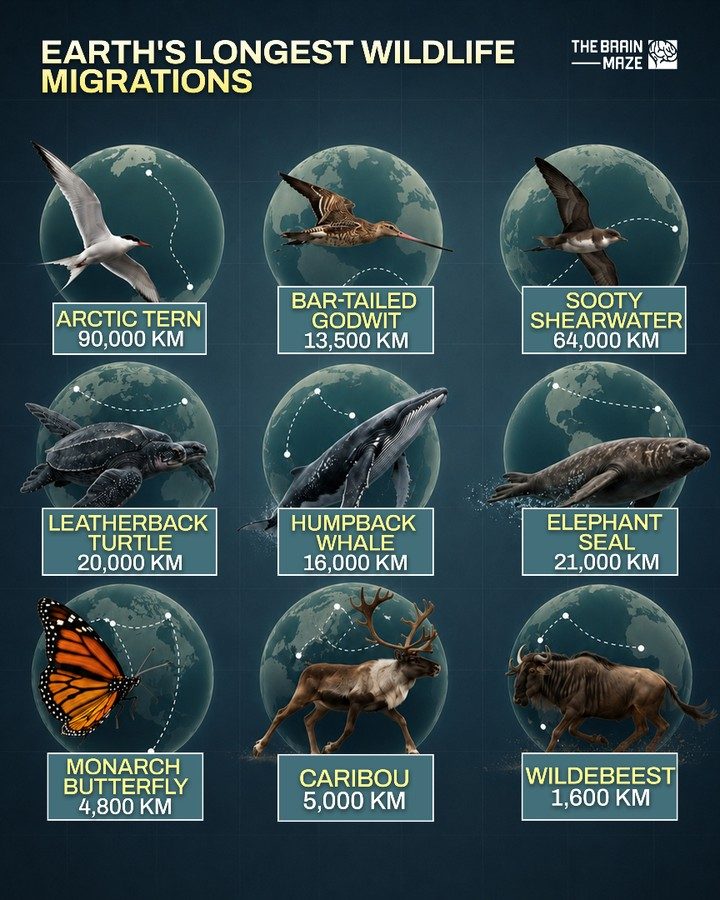
The Arctic Tern holds the record for the longest migration of any animal. These birds travel an astonishing 90,000 kilometers round trip each year from their breeding grounds in the Arctic to Antarctica and back. This journey takes them across oceans and continents, showcasing their remarkable navigational abilities. The Arctic Tern's migration is not just about distance; it's also about timing. They time their journey to coincide with the peak availability of food sources, ensuring their survival and successful breeding.
The Sooty Shearwater: A Marvellous Journey
The Sooty Shearwater follows closely behind the Arctic Tern, migrating approximately 64,000 kilometers annually. These seabirds breed in colonies in New Zealand and then head north to the Bering Sea and Japan to feed. Their journey is a marvel of endurance, as they navigate vast expanses of ocean with pinpoint accuracy. The Sooty Shearwater's migration is a critical part of their life cycle, ensuring they have access to the best feeding grounds and breeding sites.
The Bar-tailed Godwit: Non-Stop Flyers
The Bar-tailed Godwit is renowned for its non-stop flights, covering around 13,500 kilometers without landing. These shorebirds migrate from their breeding grounds in Alaska to New Zealand, a journey that takes them over the Pacific Ocean. Their ability to fly for extended periods without rest or food is a testament to their incredible physiology and navigation skills. The Bar-tailed Godwit's migration is a critical part of their life cycle, ensuring they have access to the best feeding grounds and breeding sites.
The Leatherback Turtle: A Long Sea Voyage
The Leatherback Turtle undertakes one of the longest migrations of any marine species, traveling about 20,000 kilometers. These turtles nest on beaches in various parts of the world and then migrate to feeding grounds in the open ocean. Their journey is a remarkable feat, as they navigate vast distances and depths with precision. Leatherback Turtles are known for their incredible diving abilities, reaching depths of over 1,000 meters in search of food.
The Humpback Whale: An Oceanic Journey
Humpback Whales migrate up to 16,000 kilometers annually, traveling from polar feeding grounds to tropical or subtropical waters for breeding and calving. Their migration is one of the longest of any mammal, showcasing their extraordinary endurance and navigational skills. Humpback Whales are known for their complex songs, which play a crucial role in their social behavior and communication during their migrations.
The Elephant: A Journey Through the Savannah
Elephants travel up to 21,000 kilometers annually in search of food, water, and suitable habitats. Their migration is characterized by their nomadic lifestyle, moving in herds and covering vast distances. Elephants are known for their strong family bonds and social structures, which are maintained throughout their migrations. Their journey is a testament to their adaptability and resilience, as they navigate diverse landscapes and overcome various challenges.
The Monarch Butterfly: A Multigenerational Trek
The Monarch Butterfly's migration is one of the most well-known and studied migrations in the world. These butterflies travel up to 4,800 kilometers from their breeding grounds in Canada and the United States to overwintering sites in Mexico. Their migration is a multigenerational journey, as no single butterfly completes the entire round trip. Each generation builds on the previous one, ensuring the survival of the species. The Monarch Butterfly's migration is a marvel of natural navigation and endurance.
The Caribou: A Journey Through the Arctic
Caribou migrate up to 5,000 kilometers annually, traveling from their calving grounds in the Arctic to wintering grounds further south. Their migration is a critical part of their life cycle, ensuring they have access to the best feeding grounds and breeding sites. Caribou are known for their hardiness and adaptability, as they navigate harsh Arctic conditions and overcome various challenges during their migrations.
The Wildebeest: The Great Migration
The Wildebeest's migration is one of the most famous and spectacular migrations in the world. These animals travel up to 1,600 kilometers annually, moving in large herds in search of food and water. Their journey is a critical part of the ecosystem, as they play a crucial role in nutrient cycling and maintaining the balance of the savannah. The Wildebeest's migration is a testament to their resilience and adaptability, as they navigate diverse landscapes and overcome various challenges.
Factors Influencing Wildlife Migrations
Several factors influence wildlife migrations, including climate, food availability, and habitat changes. Understanding these factors is crucial for conserving migratory species and their habitats. Climate change, in particular, poses a significant threat to migratory species, as it alters the timing and availability of food sources and suitable habitats.
Practical Tips for Observing and Understanding Wildlife Migrations
If you're interested in observing and understanding wildlife migrations, here are some practical tips:
- Choose the Right Time and Place: Research the migration patterns of the species you're interested in and plan your observation accordingly. Timing and location are crucial for a successful observation.
- Prepare for the Journey: Whether you're traveling to a distant location or observing locally, make sure you're well-prepared. This includes having the right equipment, understanding the terrain, and being aware of any potential hazards.
- Learn from Experts: Seek guidance from experts who have experience in studying and observing wildlife migrations. They can provide valuable insights and tips to enhance your experience.
- Respect the Wildlife: Always prioritize the well-being of the animals. Maintain a safe distance, minimize disturbance, and follow ethical guidelines for wildlife observation.
Important Takeaways
Wildlife migrations are a fascinating and crucial aspect of the natural world. They showcase the incredible endurance, navigation skills, and adaptability of various species. Understanding these migrations is essential for conserving wildlife and their habitats, as well as for appreciating the interconnectedness of different ecosystems. By learning about and observing these migrations, we can gain a deeper understanding of the natural world and our role in protecting it.
Conclusion
The world's longest wildlife migrations are a testament to the remarkable abilities of animals to navigate vast distances and overcome various challenges. From the Arctic Tern's globe-spanning journey to the Monarch Butterfly's multigenerational trek, these migrations are a critical part of the natural world. Understanding and appreciating these journeys can help us conserve wildlife and their habitats, ensuring the survival of these extraordinary travelers for generations to come.
Watch the Reel
Questions readers ask
What is the longest animal migration on Earth?
The longest animal migration on Earth is the Arctic Tern's journey, covering an impressive 90,000 kilometers round trip. This journey takes the Arctic Tern from its breeding grounds in the Arctic to the Antarctic and back, making it an extraordinary feat of endurance and navigation.
How do Monarch Butterflies complete their migration?
Monarch Butterflies complete their migration through a multigenerational journey, covering up to 4,800 kilometers. Each generation of Monarch Butterflies contributes to the overall migration, with the final generation completing the round trip to and from Mexico. This incredible journey showcases their remarkable navigational abilities.
What is the Bar-tailed Godwit known for in terms of migration?
The Bar-tailed Godwit is known for its non-stop flight from Alaska to New Zealand, a journey of about 11,000 kilometers. This incredible flight, the longest non-stop journey for any bird, demonstrates the species' exceptional endurance and navigational skills.
What are the key features of the Sooty Shearwater's migration?
The Sooty Shearwater's migration is an oceanic odyssey, encompassing a journey of approximately 60,000 kilometers. This includes a round trip from New Zealand to the waters off Japan and back, making it one of the longest migrations for any seabird. It highlights their ability to navigate vast ocean stretches.
What makes the journey of the Leatherback Turtle so remarkable?
The Leatherback Turtle's migration is remarkable for its tremendous distance, spanning up to 12,000 kilometers. These turtles travel from their nesting grounds in the tropics to colder waters in search of food, showcasing their amazing endurance and ability to navigate both land and sea.
Related deep dives
Similar reads based on topic and creator.



Recent articles
Fresh deep dives from the latest Reels we unpacked.




Comments
Be the first to comment.