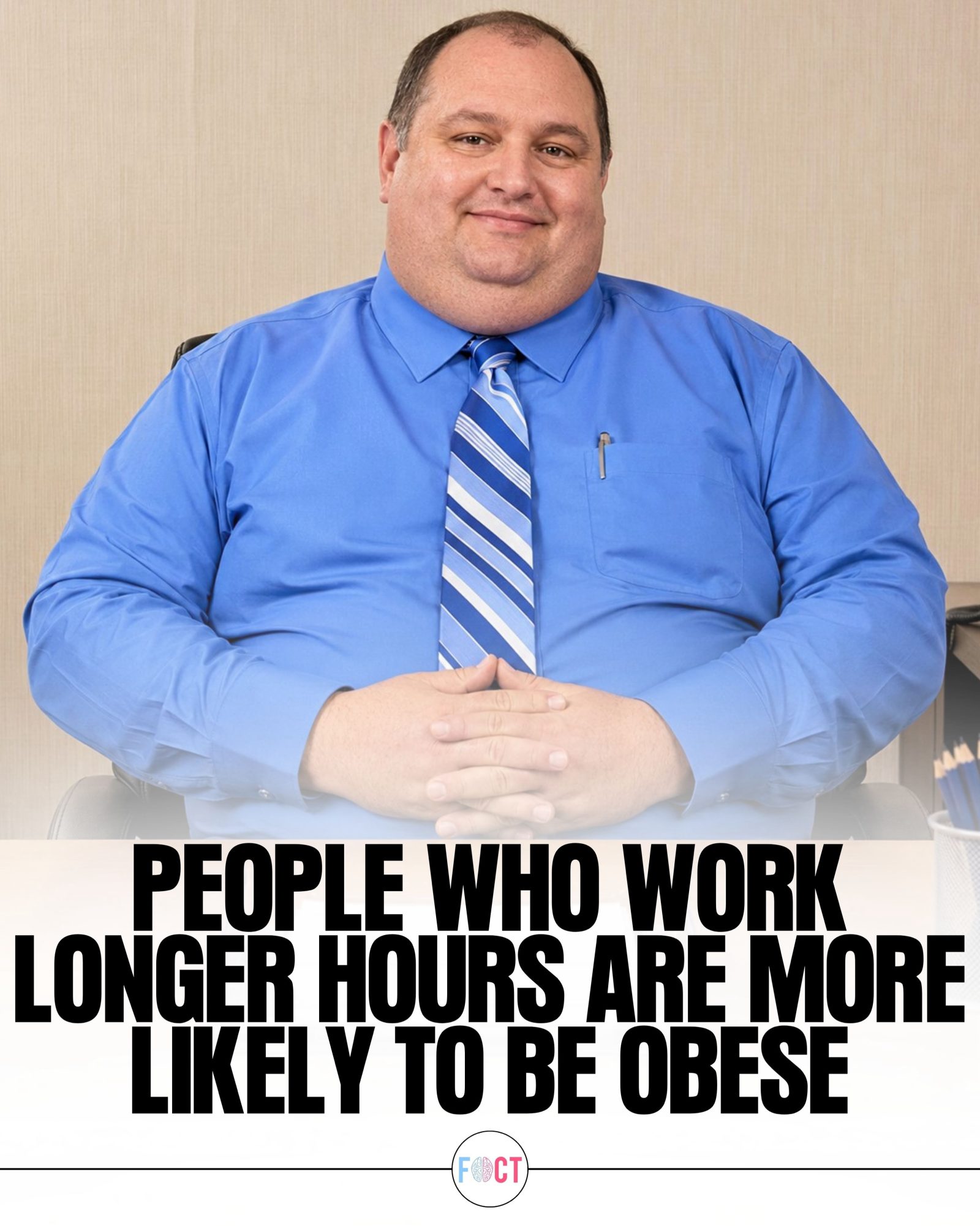
Statistical Correlation Between Working Hours and Obesity
The relationship between working hours and obesity is a subject of growing interest, especially given the varying lifestyles and dietary habits across different regions. Countries with longer annual working hours, such as the US, Mexico, and Colombia, tend to have higher obesity rates. This trend is particularly intriguing when compared to northern European countries, which consume more energy and fat on average but do not exhibit the same high obesity rates.
Why This Matters
Understanding the correlation between working hours and obesity is crucial for public health initiatives and workplace policies. Long working hours can affect dietary choices, physical activity levels, and overall health. By identifying patterns, policymakers and health professionals can develop interventions to mitigate the risk of obesity in these populations.
The Correlation Between Long Working Hours and Obesity
Global Trends
The data reveals a clear pattern: countries with longer annual working hours, such as the US, Mexico, and Colombia, often have higher obesity rates. This is not directly tied to the amount of energy and fat consumed but rather to the lifestyle changes that come with extended working hours.
Northern Europe vs. Latin America
Northern European countries, despite consuming more energy and fat on average, do not experience the same obesity rates as countries with longer working hours. This discrepancy suggests that lifestyle factors, not just diet, play a significant role in obesity rates. For example, the balanced work-life culture in Northern Europe might contribute to better health outcomes.
The Role of Long Working Hours
Longer working hours can lead to increased stress, reduced physical activity, and poor diet choices. When people work longer hours, they often have less time to prepare healthy meals and engage in physical activity. This can lead to reliance on processed foods high in calories and low in nutrients, contributing to weight gain and obesity.
Influence of Stress and Leisure Time
Prolonged work hours also increase stress levels, affecting both physical and mental health. Chronic stress can lead to unhealthy coping mechanisms, such as overeating or consuming unhealthy foods. Additionally, reduced leisure time can hinder regular physical activity, further exacerbating the risk of obesity.
Practical Tips for Maintaining a Healthy Lifestyle with Long Working Hours
Time Management
Efficient time management is key to balancing work and health. Setting specific times for meal preparation, exercise, and relaxation can help maintain a healthy routine even with a demanding schedule.
Healthy Eating
Planning meals in advance and choosing healthier options can prevent reliance on processed foods. Prepping meals on weekends or during less busy periods can save time during the week.
Regular Exercise
Incorporating regular exercise into your routine, even if it's just a short walk or stretching breaks, can make a significant difference. Many people find that setting aside a specific time slot each day for exercise helps maintain consistency.
Stress Management
Practicing stress management techniques, such as meditation or deep-breathing exercises, can help reduce stress levels and prevent unhealthy coping mechanisms.
Workplace Interventions
Employers can play a crucial role in promoting health by encouraging breaks, providing healthy food options, and fostering a culture that values work-life balance.
Important Takeaways
The correlation between long working hours and obesity highlights the need for comprehensive health initiatives that address both diet and lifestyle factors. It underscores the importance of balanced work schedules, healthy eating habits, and regular physical activity in maintaining overall health.
Conclusion
Understanding the correlation between long working hours and obesity is essential for developing effective public health strategies and workplace policies. By addressing the underlying factors, such as stress, diet, and physical activity, we can work towards improving health outcomes for individuals in countries with extended working hours.
Watch the Reel
Questions readers ask
How do extended working hours contribute to higher obesity rates?
Long working hours often lead to sedentary lifestyles with reduced physical activity. Additionally, they can cause increased stress levels, which may drive individuals to make poor diet choices, such as consuming more convenient, high-calorie foods.
Why do countries like the US, Mexico, and Colombia have higher obesity rates despite not necessarily consuming more energy or fat?
These countries tend to have longer annual working hours, which can lead to lifestyle changes that promote obesity. These changes include higher stress levels, reduced physical activity, and less time for meal preparation, which may result in poorer diet choices.
How does stress from long working hours impact obesity rates?
Chronic stress from extended working hours can lead to hormonal imbalances, such as increased cortisol levels, which can promote fat storage and cravings for unhealthy foods. This combination can drive individuals towards a sedentary lifestyle, further contributing to weight gain.
Why don't northern European countries experience high obesity rates despite higher energy and fat consumption?
Northern European countries generally have shorter annual working hours, which allows for more time dedicated to physical activity and healthier meal preparation. Additionally, cultural norms and policies may promote healthier lifestyles, mitigating the impact of higher energy and fat consumption.
What role do workplace policies play in addressing obesity rates related to long working hours?
Workplace policies that promote work-life balance, such as reasonable working hours, mandatory breaks, and wellness programs, can help mitigate the negative effects of long working hours on health. These policies can encourage better diet choices, increased physical activity, and reduced stress levels.
How can individuals combat the effects of long working hours on their health?
Individuals can take proactive steps to manage the impact of long working hours by engaging in regular physical activity, even if it's just a short walk during breaks. Planning and preparing healthier meals in advance can also help, as can practicing stress management techniques, such as mindfulness or deep breathing.
What are the implications of the link between long working hours and obesity for public health initiatives?
Recognizing this link can help inform public health initiatives aimed at promoting healthier lifestyles. Policies that target workplace environments and encourage healthier habits, such as reducing working hours, providing healthy food options, and promoting physical activity, can be instrumental in combating obesity.
Related deep dives
Similar reads based on topic and creator.




Recent articles
Fresh deep dives from the latest Reels we unpacked.




Comments
Be the first to comment.