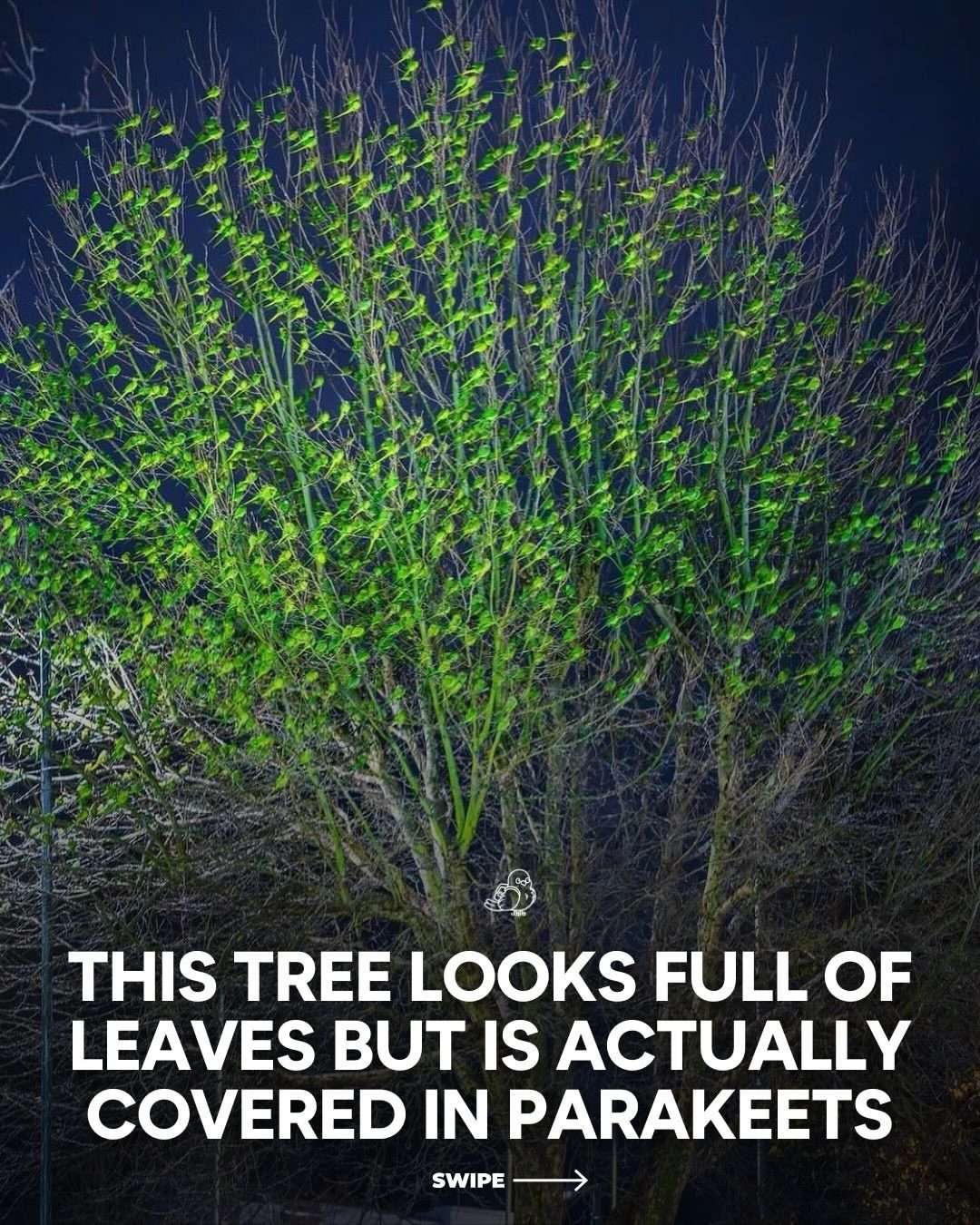
Parakeets in Urban London
Ring-necked parakeets, also known as rose-ringed parakeets, have become a common sight in urban parks and gardens across London. These vibrant green birds, originally from Africa and Asia, have established large, noisy populations in cities throughout England, particularly in London and nearby suburbs during warmer months. These beautiful birds create a unique visual experience, sometimes turning entire trees green overnight, but their presence also raises important ecological considerations.
Why This Matters
The sight of a tree seemingly covered in fresh green leaves, only to reveal a dense flock of parakeets, is both mesmerizing and surprising. Understanding their behavior, impact, and the implications of their population growth on local ecosystems is crucial. This phenomenon offers a unique look into how non-native species can thrive in urban environments, altering local ecosystems and challenging traditional wildlife management strategies.
The Life and Behavior of Ring-Necked Parrots in London
A Bird of Many Names
Ring-necked parakeets are sometimes called rose-ringed parakeets or simply parakeets. These birds are known for their stunning green plumage, which gives them the appearance of vibrant leaves. The distinctive ring around their necks (which can be pink, black, or white in color) provides a contrasting stripe of color.
Originally Native to Africa and Asia
Originally native to Africa, Asia, and the Middle East, these birds have been introduced to many parts of the world and have flourished in urban environments. In the UK, they are now a common sight, particularly in cities like London.
Flock Behavior
Parakeets are social birds and often gather in large flocks. The flocking behavior not only enhances their visual impact but also makes them more resilient and adaptable. This social structure helps them find food, protect each other, and maintain warm body temperatures in colder climates.
Differences in Breeding Seasons
Parakeets breed throughout the year in urban environments, but the peak season is in spring. During this time, they frequently nest in tree cavities, roof spaces, and other sheltered urban areas. This results in large groups of noisy birds causing disturbances, especially during breeding and feeding seasons.
The Ecological Impact of Parakeet Populations in London
Feeding and Nesting Habits
During spring, parakeets feast on cherry blossoms, which can cut the cherry blossom season short. They also nest in tree cavities, often displacing native birds. Their aggressive feeding behavior and fearless nature mean they can compete with native birds for resources, sometimes outcompeting them for food and nesting sites.
Rapid Population Growth
London’s parakeet population has been growing rapidly in recent years. This growth has raised concerns among local residents and conservationists about the potential long-term impacts on local ecosystems. Parakeets are known to be highly adaptable and resilient, which contributes to their population explosion.
Noise Pollution
One of the biggest issues for urban residents is the noise pollution caused by these birds. Their loud calls can be quite disturbing, especially in early morning hours and at night. Local residents have voiced concerns over the constant, loud chattering and squawking, which can be quite disruptive.
Competition with Native Wildlife
Parakeets can outcompete native species for food and nesting sites. Their aggressive behavior and adaptability mean they can thrive in both natural and urban environments, posing a significant challenge to native birds and other wildlife.
Practical Tips for Living with Parakeets in the City
Managing Noise Pollution
If you live in an area with a significant parakeet population, investing in soundproofing materials can help reduce the impact of their loud calls. Additionally, contacting local wildlife management authorities can help address the issue.
Protecting Native Wildlife
Creating habitats for native birds, such as planting trees with suitable nesting cavities and providing bird feeders, can help support native wildlife and ensure they have enough food and shelter.
Maintenance of Urban Green Spaces
Maintaining green spaces and promoting biodiversity can help manage parakeet populations. Planting a variety of native trees and plants can attract a diverse range of wildlife, including native birds, and help maintain ecological balance.
Involving the Community
Engaging the community in wildlife conservation efforts can make a significant difference. Local residents can participate in activities like planting trees, maintaining green spaces, and monitoring parakeet populations. Community involvement can help raise awareness and foster a sense of responsibility towards wildlife conservation.
Important Takeaways
The presence of ring-necked parakeets in urban London offers a unique opportunity to observe how non-native species can thrive and adapt to urban environments. While their vibrant color and large numbers make for a stunning visual display, their rapid population growth, aggressive feeding behavior, and fearless nature pose significant challenges for local ecosystems and residents. By understanding their behavior and impact, we can develop strategies to manage their presence and protect native wildlife.
Conclusion
The sight of a tree covered in parakeets instead of leaves is both captivating and thought-provoking. As these birds continue to flourish in urban environments, it's essential to address their impact on local ecosystems and the challenges they pose to residents. By fostering community involvement, maintaining urban green spaces, and promoting biodiversity, we can ensure a harmonious coexistence with these vibrant birds while protecting native wildlife.
Watch the Reel
Questions readers ask
Why are there so many parakeets in London?
The rise in London's parakeet population can be attributed to escaped or released pet birds. The mild climate has allowed these birds to thrive, forming large, wild colonies over time.
What kind of parakeets are seen in London?
The most common parakeets seen in London are rose-ringed parakeets, also known as ring-necked parakeets. They are native to Africa and Asia and are known for their vibrant green plumage.
What do parakeets eat in London?
London's parakeets primarily feed on fruits, seeds, and nuts. They often visit gardens and parks to forage for food. The birds have been known to cause damage to crops and gardens as they forage.
Do parakeets cause any damage to London's ecosystems?
While parakeets add a unique visual experience to London, their impact on local ecosystems is concerning. They can outcompete native birds for resources and nest sites, and their foraging habits can damage trees and agricultural crops.
Why do parakeets flock together in London?
Parakeets are social birds and naturally flock together for protection, foraging, and breeding. In London, their large, noisy gatherings are a common sight, particularly in urban parks and gardens.
How do parakeets affect London's trees?
Parakeets can cause damage to trees by stripping bark, chewing on leaves, and stripping fruit. Their nesting habits can also cause damage to trees, as they often excavate holes in tree trunks and branches.
What should I do if I encounter a parakeet in London?
If you encounter a parakeet in London, enjoy the sighting from a distance. It is best not to feed or approach the birds, as this can disrupt their natural behaviors. If you find an injured or distressed parakeet, contact a local wildlife rescue organization for assistance.
Related deep dives
Similar reads based on topic and creator.




Recent articles
Fresh deep dives from the latest Reels we unpacked.




Comments
Be the first to comment.