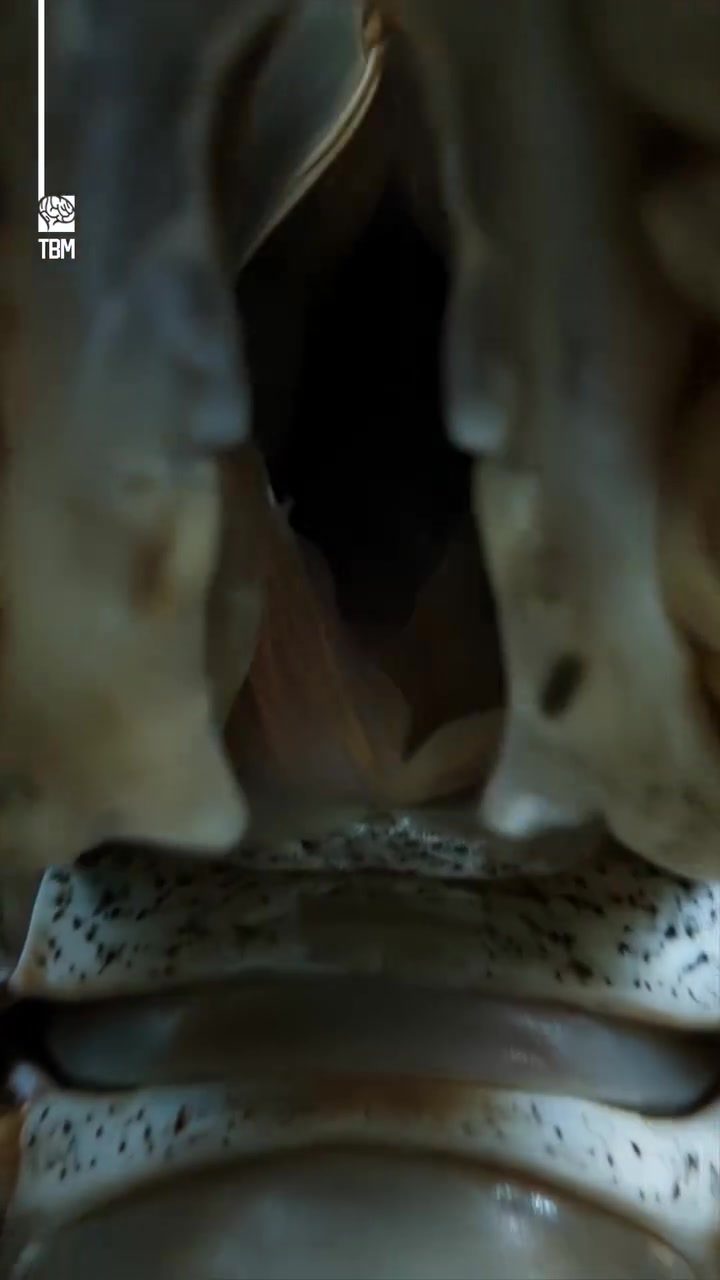
Gastric Mill in Lobsters
The gastric mill, a fascinating biological feature found in lobsters, is a crucial component of their digestive system. Unlike humans and many other animals, lobsters do not rely solely on their mouths to chew food. Instead, they have a unique set of tooth-like structures inside their stomach that perform the grinding and crushing of food. This process is essential for breaking down food particles into smaller, more digestible pieces.
Why This Matters
Understanding the gastric mill in lobsters provides insight into the diverse and innovative ways that animals have evolved to process food. This structure not only facilitates efficient digestion but also highlights the complex interplay between anatomy and physiology in marine life.
Gastric Mill Anatomy and Function
The gastric mill in lobsters is a sophisticated organ located in the stomach. It consists of hard, tooth-like plates made from a tough, chitinous material similar to that found in the lobster's shell. These plates are arranged in a way that allows them to grind and crush food as the stomach moves, effectively acting as a biological blender.
Location and Structure
The gastric mill is found in the foregut of the lobster, which is the first part of the digestive system. This location is strategic because it allows the lobster to perform a crucial initial breakdown of food before it moves to the midgut for further digestion. The structure of the gastric mill is composed of several interlocking parts that work together to grind food into smaller particles. These parts include the gastric teeth, which are the primary grinding surfaces, and the gastric shield, which helps to direct the movement of food through the organ. The gastric mill is not a static structure; it moves to facilitate the grinding process, ensuring that food is thoroughly processed.
Mechanism of Action
The mechanism of the gastric mill is both simple and efficient. As the lobster swallows food, its claws tear the food into smaller pieces. These pieces then enter the stomach, where the gastric mill takes over. The stomach's movements cause the gastric teeth to grind against each other, breaking down the food particles. This action is facilitated by the tough, chitinous material of the teeth, which can withstand the force required for grinding. The result is a finely ground mixture of food particles that can then be easily digested in the midgut.
How Lobsters Use Their Gastric Mill
Lobsters have a unique way of eating that sets them apart from many other animals. While most animals chew their food before swallowing, lobsters perform a significant portion of their chewing process after the food has already been swallowed.
Feeding Behavior
When a lobster eats, its first step is to use its powerful claws to tear apart the food. This initial tearing helps to break the food into manageable pieces that can be swallowed. Once the food is in the stomach, the gastric mill takes over. The grinding action of the mill breaks down the food into even smaller particles, preparing it for further digestion.
Digestive Efficiency
The gastric mill significantly enhances the lobster's digestive efficiency. By performing a thorough grinding process, the gastric mill ensures that food is broken down into particles small enough to be easily digested. This is particularly important for lobsters, which often feed on hard-shelled prey. The grinding action helps to crush the shells and other hard parts of the prey, making it easier to extract nutrients.
Practical Tips for Understanding the Gastric Mill
Observing the gastric mill in action can be challenging without specialized equipment, but there are several ways to gain insights into this fascinating structure.
Close Examination
One practical way to understand the gastric mill is to closely examine a lobster's stomach. This can be done by dissecting a dead lobster, which allows for a direct view of the gastric mill's components. However, it is important to handle lobsters with care and respect, as they are living creatures.
Visual Aids
Visual aids, such as diagrams and illustrations, can also provide valuable insights into the structure and function of the gastric mill. These aids can help to visualize the complex arrangement of the gastric teeth and the overall structure of the organ.
Important Takeaways
The gastric mill in lobsters is a testament to the incredible diversity and complexity of biological adaptations in the natural world. It serves as a reminder that even the most familiar animals, such as lobsters, possess unique and sophisticated mechanisms for survival.
Evolutionary Adaptation
The gastric mill is a clear example of evolutionary adaptation. It has developed over time to meet the specific needs of lobsters, allowing them to efficiently digest a variety of foods. This adaptation highlights the importance of understanding the evolutionary history of different species and the challenges they face in their environments.
Digestive Efficiency
The gastric mill is a key factor in the digestive efficiency of lobsters. By breaking down food into smaller particles, it ensures that nutrients are easily absorbed, supporting the lobster's overall health and well-being.
Conclusion
The gastric mill in lobsters is a remarkable example of nature's ingenuity. It showcases the complex and efficient mechanisms that have evolved to support digestion in marine life. By understanding the anatomy and function of the gastric mill, we gain a deeper appreciation for the diverse ways in which animals have adapted to their environments.
Watch the Reel
Questions readers ask
What is the gastric mill and where is it located in a lobster?
The gastric mill is a unique digestive organ found in lobsters. It is located inside the lobster's stomach and is composed of tough, tooth-like structures. Unlike human digestive systems, the gastric mill is a crucial component of a lobster's ability to process food.
How does the gastric mill function in a lobster's digestive system?
The gastric mill functions by grinding and crushing food into smaller, digestible pieces. This process is essential for breaking down food particles, as lobsters do not rely solely on their mouths to chew food. The gastric mill's tooth-like structures perform this grinding action, ensuring efficient digestion.
What makes the gastric mill unique compared to other marine life?
The gastric mill is a unique adaptation of lobsters; it is not found in all marine life. This specialized organ showcases the diverse ways animals have evolved. The gastric mill's location within the stomach and its complex structure are particularly noteworthy, highlighting the intricate interplay between anatomy and physiology in lobsters.
Why is the gastric mill important for lobster digestion?
The gastric mill is vital because it facilitates the breakdown of food into digestible pieces. This process enhances the efficiency of the lobster's digestive system, allowing them to extract nutrients effectively from their food. Without the gastric mill, lobsters would struggle to process their food adequately, which is why this structure is so significant.
How do lobsters chew their food if they do not use their mouths for chewing?
Lobsters do not use their mouths to chew their food in the same way humans do. Instead, they rely on their gastric mill, a set of tooth-like structures inside their stomach, to grind and crush food. This internal chewing mechanism allows lobsters to process their food efficiently, even though they do not have the traditional chew mechanism in their mouths.
What role do the tooth-like structures in a lobster's stomach play in digestion?
The tooth-like structures in a lobster's stomach, known as the gastric mill, are instrumental in the digestive process. These structures grind and crush food particles, breaking them down into smaller, more manageable pieces. This mechanical digestion is crucial for the lobster's ability to absorb nutrients effectively from their food.
Related deep dives
Similar reads based on topic and creator.




Recent articles
Fresh deep dives from the latest Reels we unpacked.




Comments
Be the first to comment.