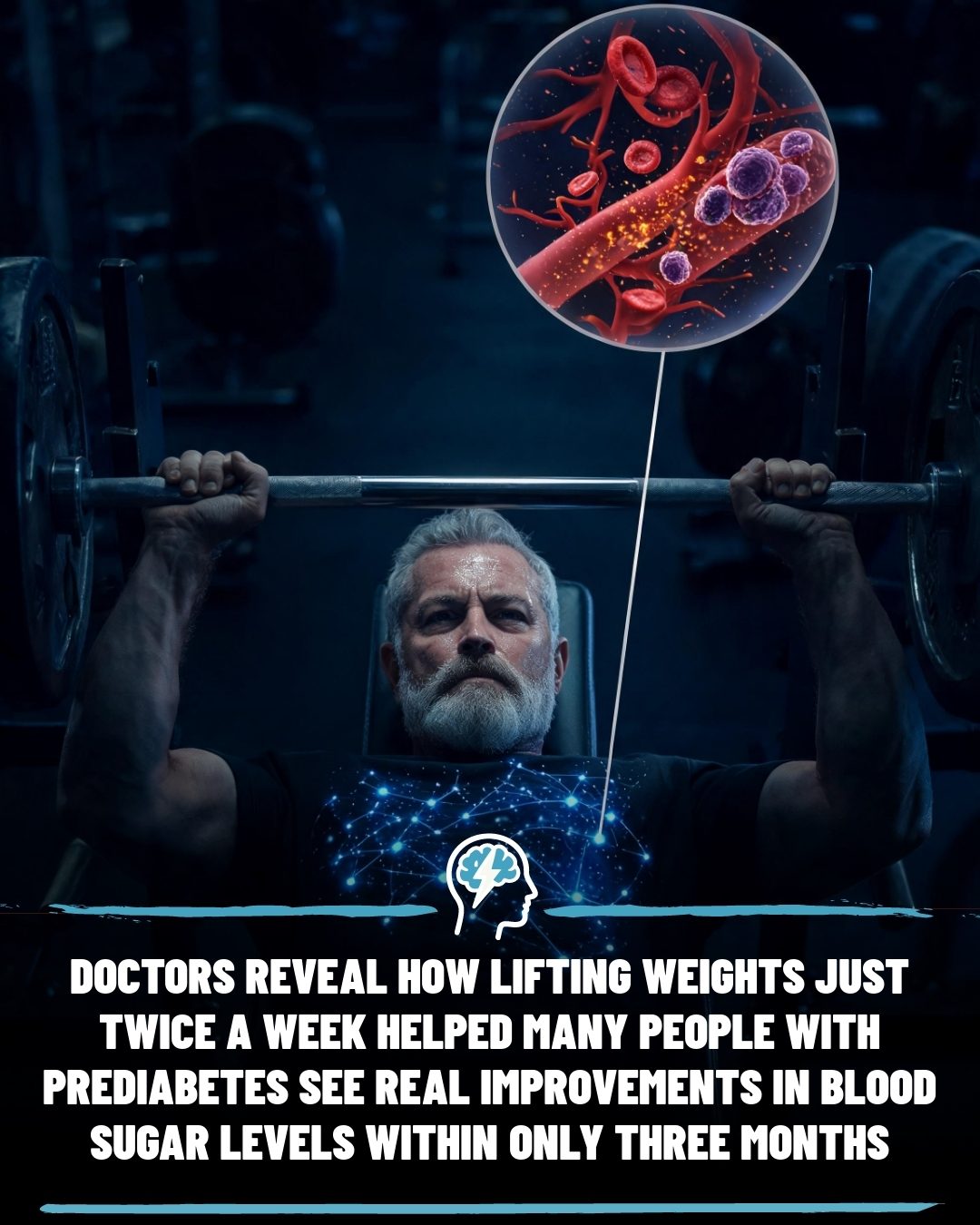
Weightlifting and Blood Sugar
Weightlifting is more than just a way to build muscle; it's a powerful tool for improving metabolic health, particularly for those with prediabetes. Recent research has shown that incorporating weightlifting into a weekly routine can lead to significant improvements in blood sugar levels.
Why this Matters
Prediabetes is a condition where blood sugar levels are higher than normal but not yet high enough to be diagnosed as type 2 diabetes. It affects millions of people worldwide and is often a precursor to more serious health issues if left unmanaged. Traditional approaches to managing prediabetes often focus on cardiovascular exercises and dietary changes. However, recent studies highlight the benefits of resistance training, such as weightlifting, in managing and even reversing prediabetes.
Main Discussion
The Role of Muscle in Blood Sugar Regulation
Muscle tissue plays a crucial role in regulating blood sugar levels. When you engage in resistance training, your muscles become more efficient at absorbing glucose from the bloodstream. This process is facilitated by insulin, a hormone that helps cells absorb glucose for energy. As muscle mass increases, so does the body's ability to handle glucose, leading to better overall blood sugar control.
The Benefits of Twice-Weekly Weightlifting
Research indicates that lifting weights just twice a week can yield significant health benefits for people with prediabetes. This modest commitment is enough to trigger physiological changes that improve metabolic health. Here's how it works:
- Compound Movements: Exercises like squats, lunges, and presses are particularly effective. These movements engage multiple muscle groups simultaneously, providing a comprehensive workout that stimulates muscle growth and improves insulin sensitivity.
- Full Body Workouts: Each session should focus on working every major muscle group. This ensures that the entire body benefits from the resistance training, leading to more balanced muscle development and better overall health.
- Form and Consistency: Proper form is crucial for maximizing the benefits of weightlifting. Consistency is also key; maintaining a regular workout schedule is more important than trying to lift heavier weights too soon.
Rapid Health Improvements
One of the most compelling findings is the speed at which these benefits can be seen. Many people experience noticeable improvements in their blood sugar levels within just three months of starting a consistent weightlifting routine. This rapid response is due to the body's quick adaptation to new physical demands. The heightened metabolic activity from resistance training helps regulate glucose levels, even while the body is at rest.
Biological Mechanisms
The biological mechanisms behind these improvements are well-studied. Skeletal muscle is the largest consumer of glucose in the body. By increasing muscle mass through weightlifting, you create a larger reservoir for storing glucose. This reduces the amount of sugar circulating in the bloodstream and eases the workload on the pancreas, which no longer needs to produce as much insulin.
Practical Tips
If you're looking to incorporate weightlifting into your routine to improve metabolic health, here are some practical tips:
1. Start with the Basics
Begin with compound movements that engage multiple muscle groups. Examples include:
- Squats: These work the quadriceps, hamstrings, and glutes.
- Lunges: Target the quadriceps, hamstrings, and glutes, with an added focus on balance and stability.
- Presses: Whether it's a bench press, overhead press, or push-ups, these exercises work the chest, shoulders, and triceps.
2. Consistency Over Intensity
Focus on consistency rather than lifting heavy weights right away. Aim for two full-body workouts per week. This frequency is sufficient to stimulate muscle growth and improve insulin sensitivity without overwhelming your schedule.
3. Proper Form
Maintaining correct form is essential for preventing injuries and maximizing the effectiveness of your workouts. If you're new to weightlifting, consider working with a personal trainer or following guided workout videos to ensure you're performing exercises correctly.
4. Gradual Progression
As you get stronger, gradually increase the weight or resistance. This progressive overload principle helps your muscles adapt and grow stronger over time. Avoid the temptation to lift heavier weights too soon, as this can lead to injuries and setbacks.
Important Takeaways
Weightlifting is a powerful tool for managing and potentially reversing prediabetes. By focusing on compound movements, maintaining a consistent workout schedule, and prioritizing proper form, you can see significant improvements in your blood sugar levels within just a few months. This approach not only enhances your metabolic health but also builds strength and improves overall fitness.
Conclusion
Lifting weights twice a week can be a game-changer for those struggling with prediabetes. The benefits are clear: improved insulin sensitivity, better glucose regulation, and a reduced risk of developing type 2 diabetes. By incorporating weightlifting into your routine, you're taking a proactive step towards better metabolic health. Whether you're new to fitness or looking to enhance your existing routine, consider the power of resistance training in managing your blood sugar levels effectively.
Watch the Reel
Questions readers ask
How often should I lift weights to see improvements in my blood sugar levels if I have prediabetes?
To see improvements in blood sugar levels, aim to lift weights at least twice a week. This frequency has been shown to enhance insulin sensitivity and overall metabolic health, making it a practical and effective approach for managing prediabetes.
What types of exercises should I include in my weightlifting routine for prediabetes?
Focus on compound movements that engage multiple muscle groups. Exercises like squats and lunges are particularly beneficial. These movements not only build muscle strength but also significantly improve insulin sensitivity, helping to control blood sugar levels.
Can weightlifting really help reverse prediabetes?
Yes, weightlifting can indeed help reverse prediabetes. By improving insulin sensitivity and enhancing metabolic health, regular strength training can lead to better blood sugar control and potentially reverse the condition, reducing the risk of developing type 2 diabetes.
What are the benefits of weightlifting for people with prediabetes beyond blood sugar control?
Weightlifting offers several benefits beyond blood sugar control. It builds muscle strength, enhances overall metabolic health, and can improve cardiovascular fitness. Additionally, the increased muscle mass can help burn more calories, aiding in weight management, which is crucial for managing prediabetes.
How does weightlifting compare to cardiovascular exercises for managing prediabetes?
While cardiovascular exercises are beneficial for overall health, weightlifting offers unique advantages for managing prediabetes. It directly improves insulin sensitivity and muscle strength, which can lead to better blood sugar control. Incorporating both types of exercise into your routine can provide a comprehensive approach to managing prediabetes.
What is an effective weightlifting routine for someone with prediabetes?
An effective routine should include compound movements like squats, lunges, deadlifts, and bench presses. Aim for two sessions per week, with each session focusing on different muscle groups. Start with a weight that challenges you but allows for proper form, and gradually increase the resistance as you get stronger.
Should I consult a healthcare provider before starting a weightlifting routine for prediabetes?
Yes, it's important to consult with a healthcare provider before starting any new exercise routine, especially if you have prediabetes. They can provide personalized advice and ensure that weightlifting is safe and suitable for your current health status. A professional can also help tailor the routine to your specific needs and capabilities.
Related deep dives
Similar reads based on topic and creator.



Recent articles
Fresh deep dives from the latest Reels we unpacked.




Comments
Be the first to comment.