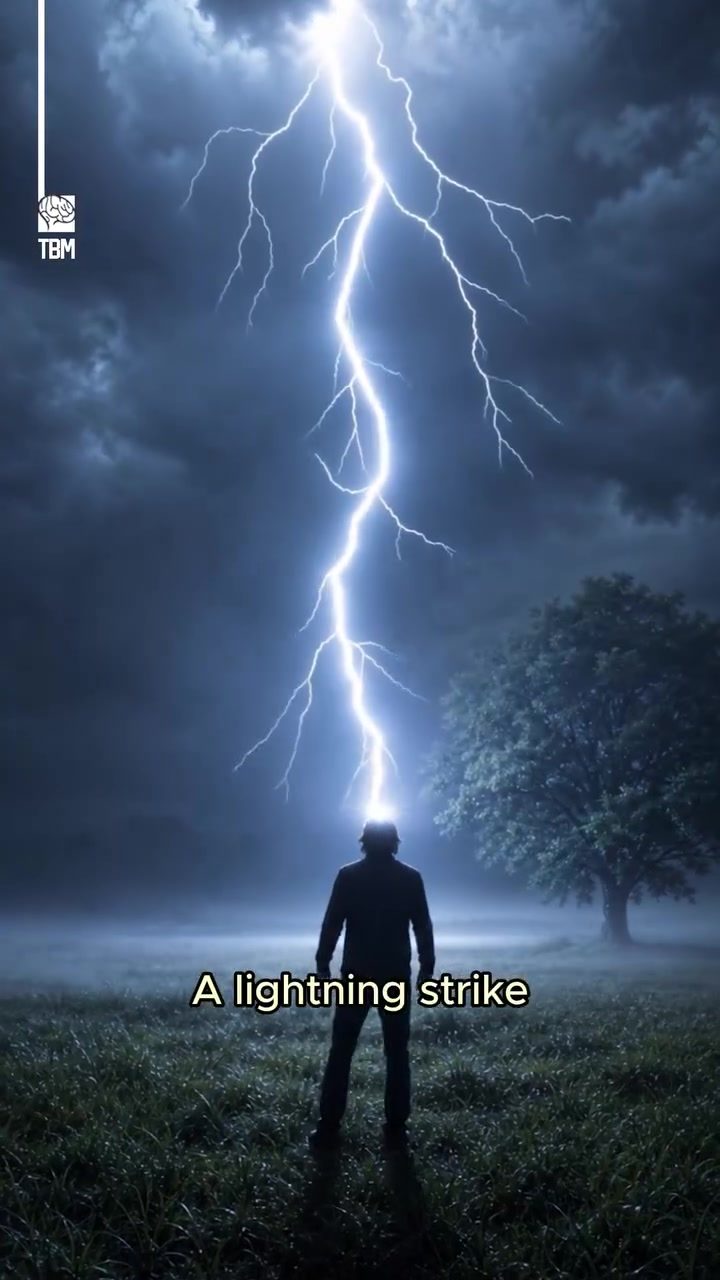
Imagine the sudden flash of lightning during a storm. The powerful electrical discharge can leave behind an unexpected and striking pattern on the skin. These markings are known as Lichtenberg figures, and understanding them offers a unique insight into the path electricity takes through the human body.
What are Lichtenberg Figures?
Lichtenberg figures are fascinating, branching patterns that can appear on the skin as a result of a lightning strike. Contrary to their dramatic appearance, these patterns are not burns. Instead, they are temporary and are created when the immense electrical energy from the lightning causes tiny blood vessels just beneath the skin to rupture. The branching, root-like design forms as the electrical charge spreads across the body's surface in complex pathways.
Why This Matters
These mysterious markings, called Lichtenberg figures, are an indicator of a lightning strike. Yet, despite their dramatic appearance, they do not always cause permanent skin damage. These patterns are often temporary, appearing within minutes after a lightning strike and fading within hours or a few days without leaving permanent scars.
The Electrical Pathways
The branching, root-like design of Lichtenberg figures is not just an aesthetic feature; it reflects the complex pathways that electrical energy takes as it moves through the body. The electrical charge spreads in intricate patterns that mimic the structure of a tree or root system, highlighting the chaotic and unpredictable nature of electricity.
This phenomenon is not exclusive to human skin. Scientists can also create similar branching patterns in insulating materials using high-voltage electricity. This demonstrates the same underlying electrical behavior and provides a way to study the effects of electrical discharges in a controlled environment.
The Medical Implications
Doctors recognize Lichtenberg figures as one of the most distinctive signs that someone has been struck by lightning. While these patterns may disappear quickly, a lightning strike is a life-threatening medical emergency. The electrical energy can severely affect the heart, brain, and nervous system, leading to long-term health issues or even death. It's crucial to seek immediate medical attention if someone is suspected of being struck by lightning, even if the external marks seem minor.
Practical Tips
What to Do if Someone is Struck by Lightning
- Safety First: Ensure that the area is safe and that there is no risk of further lightning strikes before approaching the victim.
- Call for Help: Immediately call emergency services and provide clear instructions about the situation.
- Check for Signs of Life: Look for breathing and a pulse. If the victim is not breathing, begin CPR unless you are trained to do so.
- Stay Calm and Supportive: Keep the victim calm and offer reassurance until medical help arrives.
Preventing Lightning Injuries
- Avoid Heights: Stay away from tall objects, such as trees, poles, and towers.
- Seek Cover: If possible, find a safe shelter, such as a building with plumbing and electrical grounding, or a fully enclosed metal-topped vehicle.
- Stay Low: If caught in an open area, crouch low to the ground. Avoid lying flat, as this increases the risk of being struck.
- Avoid Water: Stay away from bodies of water and wet surfaces, as water conducts electricity.
- Protect Your Head: If you are in a group, avoid being the tallest person. Stand at least six feet apart from others to minimize the risk of injury.
First Aid for Suspected Lightning Injuries
- Check for Burns: Look for Lichtenberg figures or other signs of burns, even if they are not immediately visible.
- Monitor Vital Signs: Keep an eye on the victim's breathing, pulse, and level of consciousness.
- Treat for Shock: Even if the victim appears to be okay, they may go into shock. Keep them warm and calm, and provide emotional support.
- Transport Safely: Ensure that the victim is transported to a medical facility as quickly and safely as possible.
Important Takeaways
Understanding Lichtenberg figures provides a unique perspective on the impact of electricity on the human body. While these patterns are temporary and often fade quickly, the underlying electrical shock can have severe and lasting effects. It is essential to recognize the signs of a lightning strike and seek immediate medical attention if necessary.
Conclusion
Lightning strikes are unpredictable and potentially life-threatening. Lichtenberg figures serve as a visual indicator of the immense electrical energy that can cause significant damage to the body. By understanding these patterns and being prepared, you can help protect yourself and others during a storm. Always prioritize safety and seek immediate medical attention for anyone who may have been struck by lightning.
Watch the Reel
Questions readers ask
What causes Lichtenberg figures to appear on the skin?
Lichtenberg figures are caused by the intense electrical energy from a lightning strike. This energy disrupts tiny blood vessels just beneath the skin, creating temporary, branching patterns that reflect the electrical charge's path.
Are Lichtenberg figures a sign of severe skin damage?
While they may look alarming, Lichtenberg figures are not severe burns. They are temporary skin patterns that indicate a lightning strike has occurred, and they typically disappear within hours or days.
How long do Lichtenberg figures last on the skin?
Lichtenberg figures are temporary and typically fade away within a short period. They can last from a few hours to a couple of days, and sometimes up to a week, depending on the severity of the lightning strike.
Do Lichtenberg figures indicate the exact path of the electrical charge?
Yes, the branching, root-like design of Lichtenberg figures represents the complex pathway that the electrical charge took through the body. These patterns offer a unique insight into how electricity travels through human skin and tissues.
Can Lichtenberg figures appear anywhere on the body?
Lichtenberg figures can appear on any part of the body that was affected by the lightning strike. They often follow the contours and surface of the skin, creating intricate patterns that reflect the electrical charge's distribution.
Are Lichtenberg figures a medical emergency?
The presence of Lichtenberg figures suggests a lightning strike, which requires immediate medical attention. Even though the figures themselves are temporary, the electrical shock can cause internal injuries that need prompt medical evaluation and treatment.
How are Lichtenberg figures different from actual burns?
Unlike burns, Lichtenberg figures are not caused by heat but by electrical energy. They do not result in tissue damage or scarring and usually disappear without leaving any permanent marks on the skin.
Related deep dives
Similar reads based on topic and creator.




Recent articles
Fresh deep dives from the latest Reels we unpacked.




Comments
Be the first to comment.