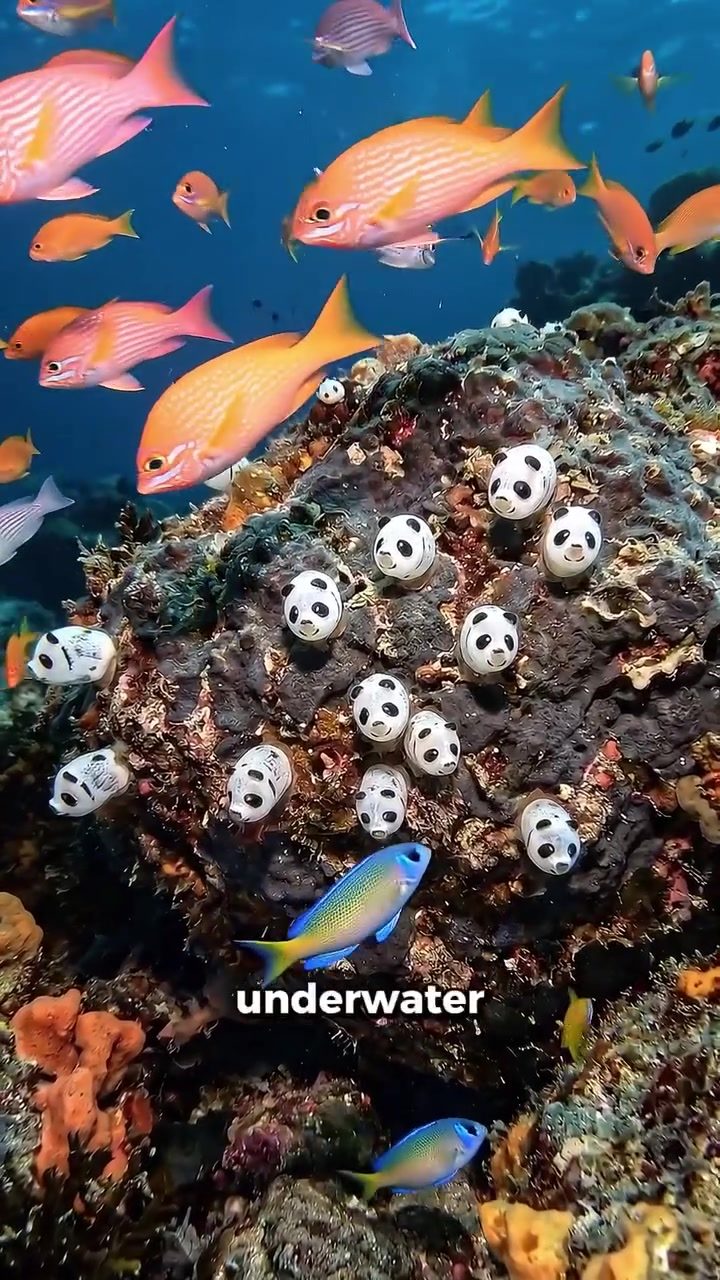
Underwater Life: A Closer Look
The ocean floor is a bustling metropolis teeming with unexpected wonders, from vibrant coral reefs to tiny marine creatures with fascinating habits. Among these, the skeleton panda sea squirt stands out as a particularly intriguing inhabitant. Found in the waters of Japan, this organism is neither fish nor plant, but a fascinating member of the tunicate family.
Why This Matters
Understanding the skeleton panda sea squirt and other marine life forms is more than just discovering a new species. It's about appreciating biodiversity and recognizing the intricate relationships within ecosystems.
It's important to note that while the skeleton panda sea squirt may not be well-known, it's a crucial part of the ocean's ecology. With no visible eyes, it relies on its ability to filter water through its body to survive. This unique method of sustaining itself allows it to thrive in environments where other organisms might struggle.
The Skeleton Panda Sea Squirt: A Unique Underwater Dwellers
A Living Mystery
The skeleton panda sea squirt is a marine organism found in the waters of Japan. Despite its name, it is neither fish nor plant, but a member of the ascidian family, commonly known as sea squirts. These creatures are filtered feeding organisms that remain anchored to rocks, filtering water to remove particles and nutrients. This lifestyle makes it an essential part of the marine ecosystem, helping to keep the water clean and supporting the biodiversity of the reef.
The Panda Mask and Its Majestic Colors
The skeleton panda sea squirt gets its name from the distinctive skull-like markings that adorn its surface. These markings are not just for show; they provide a unique camouflage that helps the sea squirt blend seamlessly into its surroundings. The squirt is often described as a "ghost" because of its ghostly appearance, enhanced by its delicate panda mask-like patterns.
A Hermaphrodite Marvel
One of the most fascinating aspects of the skeleton panda sea squirt is its reproductive strategy. Unlike many other marine creatures, this organism is a hermaphrodite, carrying both male and female reproductive organs. This allows it to self-fertilize, ensuring its survival even in the absence of a mate. This adaptation is crucial in an environment where mates might be scarce.
The Art of Living as a Filter
The skeleton panda sea squirt's primary function in the ocean is to act as a living filter. Anchored to rocks, it remains stationary, drawing in water through its siphons and filtering out nutrients and small particles. This process doesn't involve hunting, fighting, or moving, making the sea squirt an essential but low-key contributor to the ocean's health.
Practical Tips for Observing Underwater Life
When diving or snorkeling in areas known for such marine wonders, it helps to be equipped with the right tools and knowledge:
Dive Responsibly
Always follow safe diving practices and respect the marine environment. Avoid touching or disturbing coral reefs and marine life, as this can cause damage and disrupt the delicate balance of the ecosystem.
Use the Right Equipment
Invest in a good quality underwater camera or GoPro to capture the beauty of the underwater world. High-resolution images and videos can help document the unique features of marine life and share them with others.
Educate Yourself
Learn about the different types of marine life you might encounter. Understanding the habits and needs of various species can enhance your appreciation for the underwater world and help you contribute to its preservation.
Important Takeaways
The underwater world is a treasure trove of fascinating creatures, each with its unique role in the ecosystem. The skeleton panda sea squirt, with its ghostly panda mask and hermaphrodite nature, is a testament to the incredible diversity of marine life. By understanding and appreciating these creatures, we can contribute to the preservation of the ocean's ecosystems and ensure their survival for future generations.
The skeleton panda sea squirt serves as a reminder of the beauty and complexity of the underwater world. It's not just about the exotic and the familiar; it's about the fascinating intricacies that make each creature unique. The ocean's floor is a living, breathing tapestry, and every creature, no matter how small or seemingly insignificant, plays a crucial role in maintaining the balance of this intricate ecosystem.
Conclusion
Exploring the underwater world reveals a myriad of wonders, from the vibrant coral reefs to the tiny, often overlooked creatures like the skeleton panda sea squirt. Understanding these organisms and their roles in the ecosystem helps us appreciate the beauty and complexity of the ocean. Whether you're a seasoned diver or a casual observer, the ocean's depths offer a wealth of knowledge and wonder, waiting to be explored and protected.
Watch the Reel
Questions readers ask
What makes the skeleton panda sea squirt unique among marine creatures?
The skeleton panda sea squirt is distinctive due to its unusual appearance, which includes a panda-like marking, and its membership in the tunicate family. Unlike many marine creatures, it is a filter feeder that plays a significant role in water filtration, contributing to the health of Japan's marine ecosystems.
Where can the skeleton panda sea squirt be found?
The skeleton panda sea squirt is primarily found in the waters of Japan. It is a key component of the diverse marine life in this region, contributing to the overall biodiversity and ecosystem health.
What role does the skeleton panda sea squirt play in its ecosystem?
The skeleton panda sea squirt is essential for water filtration, helping to maintain the cleanliness and quality of the water. This process supports the health of coral reefs and other marine life, making it a vital part of the ecosystem.
How does the skeleton panda sea squirt filter water?
The skeleton panda sea squirt uses its unique body structure to filter water. It draws in water through its body and filters out tiny particles and plankton, which it then consumes, while expelling clean water back into the environment.
What are some unique features of the skeleton panda sea squirt's appearance?
The skeleton panda sea squirt has a distinctive appearance that sets it apart from other marine creatures. Its most notable feature is the panda-like markings on its body, which give it a unique and easily recognizable look, even among the diverse array of underwater sea creatures.
Is the skeleton panda sea squirt related to any other well-known marine creatures?
The skeleton panda sea squirt is a member of the tunicate family, which includes other sea squirts and sea squid. While it may not be as well-known as some marine creatures, its unique characteristics and role in the ecosystem make it a fascinating subject of study.
Recent articles
Fresh deep dives from the latest Reels we unpacked.




Comments
Be the first to comment.