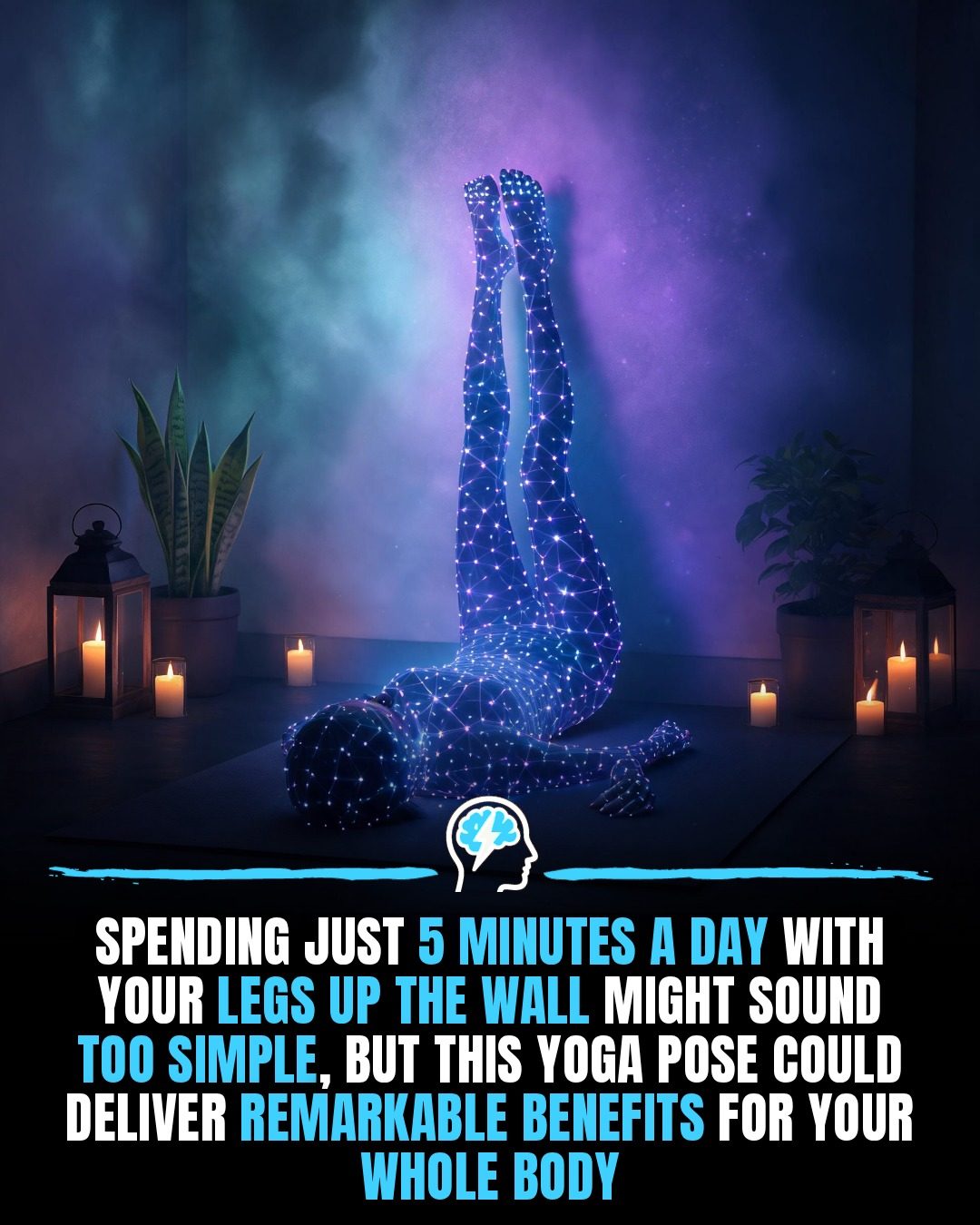
The Benefits of Legs-Up-The-Wall Yoga Pose
Legs-Up-The-Wall, or Viparita Karani, is a restorative yoga pose that offers a surprisingly powerful way to reset your body and mind.
Why This Matters
Incorporating just five minutes of this pose into your daily routine can lead to significant improvements in both physical and mental well-being. This gentle inversion helps to counteract the effects of gravity, promoting better circulation and lymphatic drainage. It's a simple yet effective way to enhance recovery, reduce stress, and improve overall health.
Main Discussion
Physical Benefits
Improved Circulation
When you elevate your legs above your heart, gravity assists in moving fluid and blood back toward your core. This simple act can help reduce swelling in your ankles and feet, providing relief from that heavy, achy feeling that often comes after a long day on your feet. Athletes, in particular, can benefit from this pose as it aids in faster recovery by alleviating tired muscles, especially in the hamstrings.
Enhanced Lymphatic Drainage
The legs-up-the-wall pose also promotes better lymphatic drainage. The lymphatic system plays a crucial role in removing waste and toxins from your body. By improving lymphatic flow, this pose can help boost your immune system and overall health.
Mental Health Benefits
Activation of the Parasympathetic Nervous System
Slowing your breath while in this pose sends a signal to your brain that it's safe to relax. This action activates the parasympathetic nervous system, which is responsible for rest and digestion. As a result, you may experience a lower heart rate, reduced anxiety, and better sleep quality. The pose encourages a state of deep relaxation, making it an excellent addition to your wind-down routine before bed.
How to Do It
The beauty of the legs-up-the-wall pose lies in its simplicity. You don't need any special equipment or flexibility to perform it. Here’s how to get into the pose:
- Positioning: Sit sideways next to a wall, ensuring your hips are as close to the wall as possible.
- Legs Up: Swing your legs up the wall, keeping them straight.
- Back Down: Lower your back down to the floor, aiming for an L shape with your body.
- Comfort: Add a blanket under your lower back for extra support and comfort. This can help you stay in the pose longer and more comfortably.
Precautions
While the legs-up-the-wall pose is generally safe for most people, it's essential to be aware of a few precautions. If you have any of the following conditions, consult a healthcare provider before attempting this pose:
- Glaucoma or eye pressure issues
- Uncontrolled high blood pressure
- Serious neck or back injuries
- Congestive heart failure or other serious heart conditions
Practical Tips
Making It a Habit
To incorporate the legs-up-the-wall pose into your daily routine, consider the following tips:
- Consistency: Aim to practice this pose for at least 5 minutes each day. Consistency is key to reaping the full benefits.
- Timing: This pose is particularly beneficial when done before bed. It can help you relax and prepare for a restful night's sleep.
- Comfort: Ensure you are comfortable. Use a blanket or pillow under your back or head if needed.
Enhancing the Experience
- Add Aromatherapy: Light a scented candle or use essential oils to create a relaxing atmosphere.
- Music: Play calming music or nature sounds to enhance relaxation.
- Breathing Techniques: Practice deep breathing exercises while in the pose to deepen your relaxation and activate your parasympathetic nervous system more effectively.
Important Takeaways
- Simplicity: The legs-up-the-wall pose is simple yet powerful, requiring no special equipment or flexibility.
- Versatility: It can be done anywhere—at home, in a hotel room, or even at the office during a break.
- Holistic Benefits: This pose offers both physical and mental health benefits, making it a valuable addition to any wellness routine.
Conclusion
The legs-up-the-wall pose is a gentle yet effective way to reset your body and mind. With just five minutes a day, you can experience improved circulation, better lymphatic drainage, reduced anxiety, and enhanced sleep quality. This pose is a testament to the power of simple practices in promoting overall well-being. Incorporate it into your routine and feel the difference for yourself.
Watch the Reel
Questions readers ask
What is the correct way to perform the Legs-Up-The-Wall yoga pose?
To perform Legs-Up-The-Wall, or Viparita Karani, sit sideways next to a wall, then swing your legs up the wall as you lie down on your back. Your bottom should be as close to the wall as comfortably possible. Extend your arms out to the sides or place them on your belly, and relax.
How does Legs-Up-The-Wall pose benefit circulation?
Legs-Up-The-Wall pose helps improve circulation by using gravity to assist in moving fluid and blood back toward your core. This can help reduce swelling in the lower extremities and promote better overall circulation.
Can Legs-Up-The-Wall pose help with stress relief?
Yes, this pose is excellent for stress relief. By promoting relaxation and helping to lower the heart rate, Legs-Up-The-Wall can induce a calming effect on the mind and body, making it a great tool for managing stress.
How often should I practice Legs-Up-The-Wall pose to see improvements in my well-being?
Incorporating just five minutes of the Legs-Up-The-Wall pose into your daily routine can lead to noticeable improvements in your well-being. For best results, aim to practice this pose consistently, such as once or twice a day.
Is Legs-Up-The-Wall pose suitable for beginners?
Absolutely. Legs-Up-The-Wall is a gentle inversion yoga pose that is ideal for beginners. It requires no prior yoga experience and can be easily integrated into a daily routine to support overall health and well-being.
What are the benefits of Legs-Up-The-Wall for lymphatic drainage?
Legs-Up-The-Wall pose aids in lymphatic drainage by using gravity to encourage the flow of lymphatic fluid from the lower body back toward the heart. This gentle inversion can help reduce swelling, detoxify the body, and support the immune system.
Can I combine Legs-Up-The-Wall pose with other yoga poses?
Yes, Legs-Up-The-Wall can be combined with other yoga poses as part of a longer yoga routine. It is often used as a restorative pose to help the body relax and recover after more vigorous exercises, making it a great addition to a well-rounded yoga practice.
Related deep dives
Similar reads based on topic and creator.




Recent articles
Fresh deep dives from the latest Reels we unpacked.




Comments
Be the first to comment.