LED Lights: From Design to Event Installation
Why This Matters
LED lights are ubiquitous in modern events and nightclubs, creating dynamic and captivating atmospheres. Understanding the intricate process of their design and transportation offers a fascinating glimpse into the world of event production. These lights are not just about illumination; they are integral to the overall experience, enhancing the aesthetic and immersive qualities of any event.
The Design and Assembly Process
The Manufacturing Journey
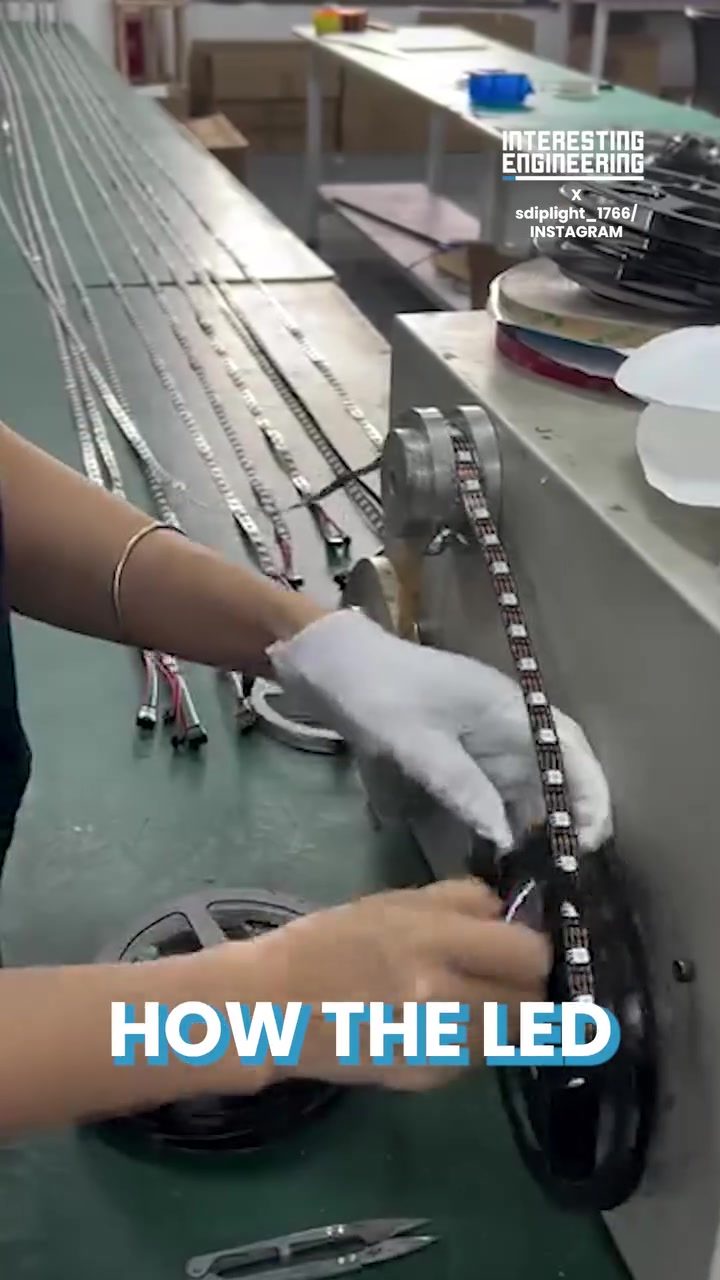
Ever wondered how those mesmerizing LED lights that transform nightclubs and events into magical spaces are made? The journey begins with individual, interconnected pieces that are meticulously assembled. These components are wound into reels, similar to a cinema reel, which makes them easy to store and transport for further production.
The process involves a high level of precision. Each piece is carefully connected to ensure seamless functionality. This attention to detail is critical, as these lights often form intricate patterns and designs that require perfect alignment and connection.
Automated and Assisted Production
The assembly process is largely automated, with workers guiding the components into place. This blend of human oversight and machine efficiency ensures that the final product meets the highest standards of quality and performance. The automated process not only speeds up production but also minimizes the risk of errors, which is crucial for large-scale event lighting.
Ready for Transport
Once assembled, the LED components are wound into reels, ready for further production. This method of storage and transport is efficient and ensures that the components remain intact and organized. The reels can be easily unwound and arranged into whatever shapes or designs are needed for a specific event. This flexibility is one of the key advantages of using LED lights in event production.
The Importance of LED Lighting in Events
Versatility and Creativity
LED lights offer unparalleled versatility in event design. They can be arranged in a variety of shapes and patterns, allowing event planners to create unique and memorable experiences. Whether it's a concert, a corporate event, or a nightclub, LED lights can be tailored to fit the specific needs and themes of the occasion.
Energy Efficiency and Durability
LED lights are also known for their energy efficiency, which is a significant benefit for large-scale events. They consume less power compared to traditional lighting solutions, making them a cost-effective choice. Additionally, LED lights are durable and have a longer lifespan, ensuring that they can withstand the rigors of event production and provide reliable performance over time.
Enhanced Visual Experience
The vibrant colors and dynamic effects of LED lights enhance the visual experience of any event. They can create stunning visuals that captivate audiences and enhance the overall atmosphere. Whether it's a pulsating dance floor or a mesmerizing backdrop, LED lights add an extra layer of excitement and immersion to any event.
Practical Tips for Event Planners
Choosing the Right LED Lights
When planning an event, it's essential to choose the right type of LED lights. Consider the size of the venue, the desired ambiance, and the specific needs of the event. From strip lights to pixel mapping, there are various options available to suit different requirements.
Planning the Layout
Careful planning of the LED light layout is crucial for achieving the desired effect. Work with a professional lighting designer to map out the placement of the lights. This will ensure that the lights are strategically positioned to create the maximum impact and enhance the overall experience.
Technical Considerations
Ensure that the LED lights are properly powered and controlled. Use high-quality cables and connectors to prevent any disruptions. Additionally, consider the use of DMX controllers for precise control over the lights, allowing for synchronized effects and transitions.
Safety and Maintenance
Safety should always be a priority. Make sure that the LED lights are installed securely and that all electrical connections are safe. Regular maintenance checks can help prevent any malfunctions during the event, ensuring a seamless experience for everyone involved.
Important Takeaways
LED lights are an essential element in modern event production. Their versatility, energy efficiency, and visual impact make them a popular choice for creating stunning and immersive experiences. By understanding the design and assembly process, event planners can make informed decisions and create unforgettable events.
Conclusion
The journey of LED lights from design to installation is a fascinating one. From the precise assembly and automated production to the versatile and captivating effects they create, LED lights play a pivotal role in modern events. By choosing the right lights, planning the layout, and ensuring proper control and maintenance, event planners can harness the full potential of LED lighting to create unforgettable experiences.
Watch the Reel
Questions readers ask
What are the key components involved in LED light manufacturing?
The primary components in LED light manufacturing include LED chips, which are the light-emitting sources, and other essential parts such as resistors, capacitors, and circuit boards. These components are meticulously assembled to ensure the LED lights function efficiently and effectively.
How are LED lights designed for immersive experiences?
LED lights for immersive experiences are designed with a focus on dynamic effects and seamless integration. Designers consider factors like color temperature, brightness, and beam angles to create captivating atmospheres. Additionally, programming and control systems are integrated to allow for real-time adjustments during events.
What is the process of assembling LED light components?
The assembly process involves winding individual LED components into reels, similar to a cinema reel. These components are then interconnected and assembled onto printed circuit boards (PCBs). The PCBs are then tested for functionality and durability before being integrated into the final lighting fixtures.
How are LED lights transported to ensure they remain functional?
Efficient transportation of LED lights involves careful packaging to protect the components from damage. Specialized containers and shock-absorbing materials are used to secure the lights during transit. Additionally, climate-controlled environments may be employed to prevent temperature-related issues.
What role do LED lights play in modern event production?
LED lights are crucial in modern event production as they create dynamic and captivating atmospheres. They enhance the aesthetic and immersive qualities of events, from concerts to nightclubs, by providing vibrant and customizable lighting effects. These lights are seamlessly integrated into the event design to elevate the overall experience.
How are LED lights integrated into nightclubs for optimal effect?
LED lights in nightclubs are integrated using a combination of strategic placement and advanced control systems. They are often installed in the ceiling, walls, and floors to create a cohesive and immersive environment. Control systems allow DJs and event organizers to synchronize the lights with music, enhancing the overall experience.
What are the benefits of using LED lights in events compared to traditional lighting?
LED lights offer several benefits over traditional lighting in events, including energy efficiency, longer lifespan, and the ability to produce a wide range of colors and effects. They also generate less heat, making them safer and more comfortable for audiences. Additionally, their durability ensures consistent performance throughout the event.
Related deep dives
Similar reads based on topic and creator.


Recent articles
Fresh deep dives from the latest Reels we unpacked.




Comments
Be the first to comment.