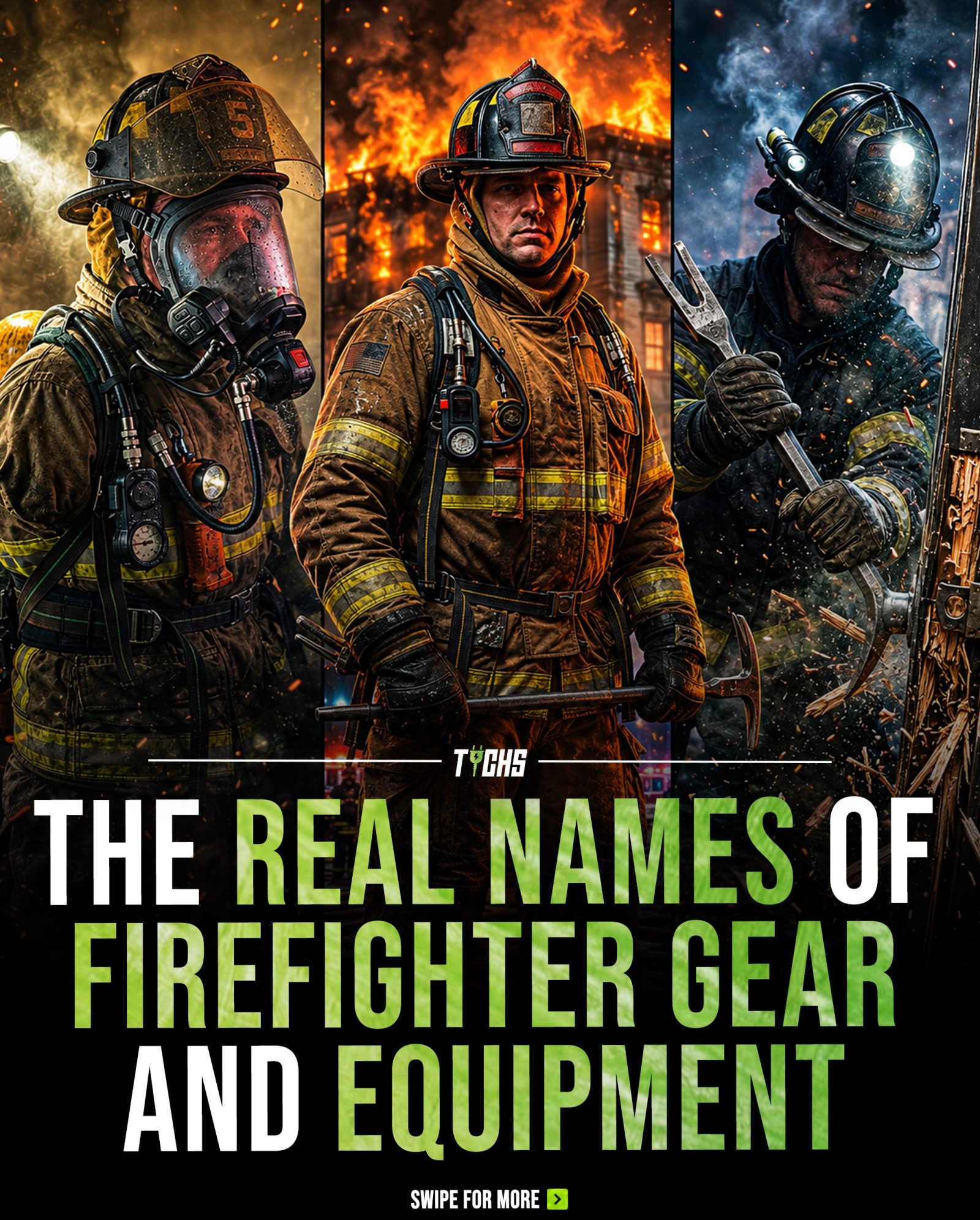
Firefighter Gear Explained
Modern firefighting is a blend of bravery and cutting-edge technology. Behind every heroic act is a sophisticated array of gear designed to protect and enhance the capabilities of firefighters in the most hazardous environments. This gear includes everything from turnout coats to advanced breathing systems and thermal imaging technology.
Why This Matters
Understanding the intricacies of firefighter gear is crucial for appreciating the depth of engineering and innovation that goes into ensuring the safety and effectiveness of firefighters. Each piece of equipment is meticulously designed to withstand extreme conditions, providing essential protection and functionality.
The Essential Pieces of Firefighter Gear
Turnout Coats
One of the most recognizable pieces of firefighter gear is the turnout coat. These coats are constructed with high-performance materials like Nomex and Kevlar, known for their exceptional resistance to heat and flames. Nomex, a firefighter's essential fabric, is designed to withstand temperatures as high as 800°F (427°C) for short periods. This material is also lightweight and breathable, ensuring that firefighters can move freely and remain cool while battling blazes.
Turnout coats also often feature reflective strips and bright colors to enhance visibility in low-light and smoky conditions. These coats are designed with multiple layers, including a moisture barrier and a thermal liner, to protect against both heat and water.
Protective Gloves
Firefighting gloves are designed to protect the hands from a variety of hazards, including burns, cuts, and abrasions. Kevlar gloves, for instance, are made with the same material used in bulletproof vests, offering exceptional protection without compromising dexterity. This is crucial for firefighters who need to handle tools and perform delicate tasks even in the most challenging conditions.
Cairns Helmets
Helmets are a critical component of firefighter gear, providing protection for the head and face. The Cairns helmet, in particular, is renowned for its durability and comfort. It features a hard outer shell made from a lightweight, heat-resistant material, often reinforced with Kevlar. The helmet's design ensures that it stays securely in place, even during intense physical activity.
Nomex Hoods
Nomex hoods are a vital layer of protection for firefighters, covering the head, neck, and ears. Made from the same flame-resistant material as turnout coats, these hoods help protect the most vulnerable parts of the body from heat and flame. They are designed to fit comfortably under the helmet, ensuring a complete shield against potential hazards.
Advanced Breathing Systems
Firefighters often encounter toxic fumes and smoke, making breathing systems essential. Advanced breathing apparatuses, or SCBAs (Self-Contained Breathing Apparatuses), provide a steady supply of clean air, allowing firefighters to breathe safely in contaminated environments. These systems are designed to be lightweight and easy to use, with advanced features like voice amplification for clear communication.
Thermal Imaging Technology
Thermal imaging cameras are indispensable for firefighters navigating through smoke and darkness. These devices detect heat signatures, allowing firefighters to locate people or identify hotspots within a burning structure. This technology not only saves lives but also enhances the effectiveness of firefighting operations by providing crucial information quickly and accurately.
Halligan Rescue Tools
The Halligan bar is a versatile rescue tool used for forcible entry, ventilation, and overhaul in structural firefighting. Its robust design allows firefighters to break through doors, walls, and other barriers, making it a valuable asset in high-stress situations.
How Protective Materials Work
The materials used in firefighter gear are selected for their specific properties, such as heat resistance, durability, and flexibility. Materials like Nomex and Kevlar are often used in conjunction with other components to create a multi-layered defense. For example, turnout coats may include an outer shell made from a tough, abrasion-resistant fabric, a moisture barrier to keep out water, and a thermal liner to provide insulation.
Practical Tips for Firefighters
Proper Maintenance
Regular maintenance of firefighter gear is essential for ensuring its effectiveness. This includes inspecting equipment for signs of wear and tear, cleaning it after each use, and storing it properly. Paying attention to the manufacturer's guidelines and conducting periodic safety checks can prolong the life of the gear and ensure it performs optimally when needed.
Correct Fit and Functionality
Ensuring that all gear fits correctly and functions properly is crucial. Ill-fitting gear can be uncomfortable and may not provide the necessary protection. Training on how to properly wear and use each piece of equipment is essential for maximizing its benefits.
Communication and Training
Firefighters must be well-trained in the use of their equipment and in communicating effectively with their team. Regular drills and simulations can help firefighters become familiar with their gear and hone their skills, ensuring that they can respond quickly and efficiently in emergency situations.
Important Takeaways
The importance of specialized gear in firefighting cannot be overstated. Each piece of equipment is designed to address specific hazards and provide essential support. Proper maintenance, correct usage, and thorough training are key to ensuring that this gear performs as intended and saves lives.
Conclusion
Firefighters face some of the most dangerous conditions imaginable, and their gear plays a critical role in keeping them safe and effective. From turnout coats and gloves to advanced breathing systems and thermal imaging technology, every piece of equipment is a testament to decades of engineering and innovation. Understand these essential tools can deepen appreciation for the challenges and bravery of those who risk their lives to protect others.
Watch the Reel
Questions readers ask
What are turnout coats and why are they essential for firefighters?
Turnout coats are heavy-duty, protective garments designed to shield firefighters from heat, flames, and other hazards. They are made from advanced materials that can withstand extreme temperatures, making them crucial for firefighters' safety during emergencies.
How do firefighter helmets protect firefighters?
Firefighter helmets are designed to protect against impact, heat, and falling debris. They often include a face shield to guard against smoke, flames, and other airborne hazards, ensuring firefighters can operate safely in dangerous environments.
What are the key features of firefighter gloves?
Firefighter gloves are engineered to provide dexterity and protection. They are typically made of heat-resistant materials and designed to insulate against heat while allowing firefighters to grip tools and perform tasks effectively.
What is the significance of advanced breathing systems in firefighter gear?
Advanced breathing systems, such as Self-Contained Breathing Apparatus (SCBA), provide firefighters with clean air to breathe in smoke-filled or oxygen-depleted environments. These systems are vital for ensuring that firefighters can perform their duties safely and efficiently.
How does thermal imaging technology aid firefighters?
Thermal imaging technology allows firefighters to see through smoke and identify hotspots or trapped individuals. This technology enhances situational awareness and helps firefighters navigate hazardous environments more effectively, leading to quicker and safer rescues.
What is turnout gear and why is it important for firefighters?
Turnout gear, also known as bunker gear, is the complete set of protective clothing worn by firefighters. It includes turnout coats, pants, helmets, gloves, and boots, all designed to work together to shield firefighters from extreme heat, flames, and other environmental hazards.
What are some examples of advanced firefighting equipment used by firefighters today?
Modern firefighting equipment includes thermal imaging cameras, advanced breathing apparatuses, and high-tech communication devices. These tools enhance firefighters' ability to navigate dangerous situations, communicate effectively, and perform rescues with greater precision and safety.
Recent articles
Fresh deep dives from the latest Reels we unpacked.




Comments
Be the first to comment.