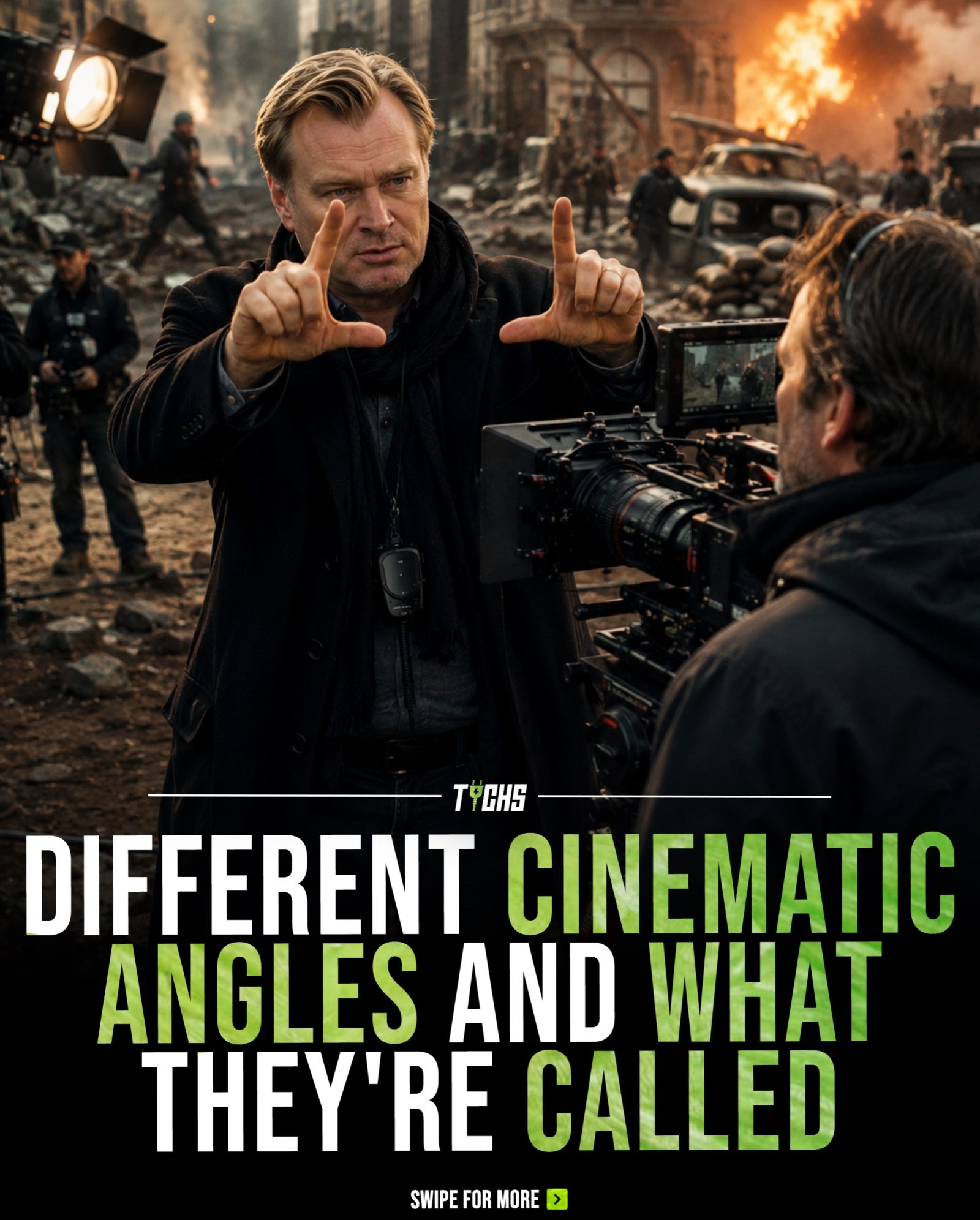
Cinematic Camera Angles
Cinematic camera angles are more than just technical choices; they are storytelling tools. Every angle has a purpose, and understanding these angles can transform how you experience and appreciate films. Let’s dive into the different types of camera angles and explore how they shape the narrative, evoke emotions, and reveal power dynamics on screen.
Why This Matters
Camera angles are crucial in cinematic storytelling. They shape the audience’s perception of characters and scenes, influencing emotions and engagement before any dialogue or action unfolds. Mastering these angles allows filmmakers to create immersive and compelling narratives, making the camera as impactful as the actors themselves.
Filmmakers use these angles to:
- Shape emotions
- Reveal power dynamics
- Guide attention
- Tell stories visually
Different Cinematic Angles and Their Purposes
Eye-Level Shot
An eye-level shot captures the scene from the perspective of the characters. This neutral position is often used to create a sense of reality and normalcy, allowing viewers to connect with the characters on a personal level. It provides a balanced and unbiased viewpoint, making it a versatile choice for various scenes.
Low-Angle Shot
A low-angle shot places the camera below the subject, looking up. This angle makes the subject appear dominant, powerful, and larger than life. It is often used to emphasize the strength, importance, or authority of a character, creating a sense of awe or intimidation.
High-Angle Shot
Conversely, a high-angle shot positions the camera above the subject, looking down. This perspective makes the subject feel smaller, vulnerable, or less powerful. It can convey a sense of helplessness, isolation, or emotional fragility, adding depth to the narrative.
Bird’s-Eye View
A bird’s-eye view, also known as an aerial shot, provides a top-down perspective, revealing the entire layout of a scene. This angle is excellent for showing the scope and scale of a location, giving viewers a comprehensive view and enhancing the sense of grandeur or complexity.
Close-Up Shot
A close-up shot focuses tightly on a subject, emphasizing emotions, expressions, and details. It draws the audience’s attention to the character's reactions, creating an intimate and intense connection. Close-ups are often used in dramatic moments to highlight the emotional impact.
Extreme Close-Up
An extreme close-up shot zooms in even closer, capturing fine textures or tiny features. This angle can reveal intricate details, such as a character's eyes or the surface of an object, adding a layer of depth and mystery to the scene.
Medium Shot
A medium shot frames the subject from the waist up, capturing expressions and gestures. This angle allows viewers to see the character’s body language and reactions, providing a balanced view of both the character and their surroundings.
Wide Shot
A wide shot captures the subject and the surrounding environment, showing the distance and context of the scene. This angle is ideal for establishing the setting, providing a sense of scale, and revealing the relationship between characters and their environment.
Using Camera Angles for Emotional and Narrative Impact
Camera angles aren't just about technical prowess; they are about storytelling. When you understand the purpose of each angle, you can appreciate how they influence the emotional and narrative impact of a scene.
-
Emotional Impact: Angles like close-ups and extreme close-ups can evoke strong emotions by focusing on the details of a character's face or expressions. A low-angle shot can make a character appear heroic or dominant, while a high-angle shot can convey vulnerability or weakness.
-
Narrative Impact: Wide shots and bird’s-eye views can provide context and reveal the broader setting, guiding the audience's attention and helping them understand the character’s place in the world.
Filmmakers often use a combination of these angles to create a dynamic and engaging narrative, making the camera as important as the actors on screen.
Practical Tips for Using Camera Angles
Understanding the different angles is just the beginning. Here are some practical tips for using camera angles effectively:
-
Plan Your Shots: Before filming, map out the angles you will use for each scene. Consider the emotional and narrative impact you want to achieve and choose angles that enhance those elements.
-
Experiment with Angles: Don’t be afraid to try different angles to see how they affect the scene. Sometimes, an unexpected angle can add a unique perspective and depth to the story.
-
Consider the Subject: Think about the character or subject you are filming and choose angles that best convey their emotions, actions, and overall vibe. Different subjects may require different angles to tell their story effectively.
Important Takeaways
Camera angles are powerful tools in cinematic storytelling. They shape emotions, reveal power dynamics, and guide attention, making them essential for creating compelling narratives. Understanding these angles can transform how you watch and appreciate films, allowing you to see every shot as a deliberate storytelling choice.
Conclusion
Cinematic camera angles are more than just technical choices; they are storytelling devices that enhance the narrative and emotional impact of a film. Whether you're a film enthusiast or an aspiring filmmaker, understanding these angles can enrich your viewing experience and elevate your storytelling skills. So, the next time you watch a movie, pay attention to the camera angles and see how they contribute to the overall story.
Watch the Reel
Questions readers ask
What is the purpose of an eye-level shot in filmmaking?
An eye-level shot is used to create a sense of neutrality and equality between characters. It places the camera at the same height as the subject's eyes, making the viewer feel more connected and engaged with the character. This angle is often used in dialogues or scenes where the filmmaker wants the audience to focus on the character's expressions and emotions.
How does a low angle shot affect the narrative?
A low angle shot, where the camera is positioned below the subject, is often used to make a character appear powerful or dominant. This angle can evoke feelings of intimidation or awe, depending on the context. It's frequently employed to convey the strength and dominance of a character, such as a villain or a hero in a tense situation.
What emotions can a high angle shot evoke?
A high angle shot, with the camera looking down on the subject, can make a character seem vulnerable, weak, or submissive. This angle is effective in creating a sense of unease, isolation, or emotional vulnerability. Filmmakers often use high angle shots in scenes where the character is experiencing fear, helplessness, or loss of control.
When should I use a bird's eye view shot in a film?
A bird's eye view shot, which captures a scene from directly above, is ideal for showing the environment or a large gathering of people. It helps the audience understand the layout and the scale of the scene, often used in action sequences, crowd scenes, or to reveal hidden elements in a story. It can also add a dramatic and unique perspective to the scene.
What is the impact of an extreme low angle shot in filmmaking?
An extreme low angle shot, where the camera is placed very low to the ground, can make the subject appear even more powerful and dominant. This angle is often used to convey a sense of overwhelming power or to emphasize the grandeur of a setting or character. It is less common and can be very impactful when used correctly, often leaving a lasting impression on the audience.
How can a close-up shot in movies enhance storytelling?
A close-up shot focuses on a specific part of the subject, often the face, to convey intense emotions or reactions. This angle helps the audience connect deeply with the character's feelings and thoughts. Close-ups can reveal subtle details that might otherwise go unnoticed, making them a powerful tool for enhancing emotional engagement and narrative depth.
What are the benefits of using cinematic camera angles in filmmaking?
Cinematic camera angles allow filmmakers to manipulate the audience's perception and emotions without relying on dialogue or action. By choosing the right angle, filmmakers can convey character dynamics, evoke specific feelings, and guide the viewer's attention. This skillful use of angles can make the film more engaging, immersive, and impactful, ultimately enhancing the overall viewing experience.
Recent articles
Fresh deep dives from the latest Reels we unpacked.




Comments
Be the first to comment.