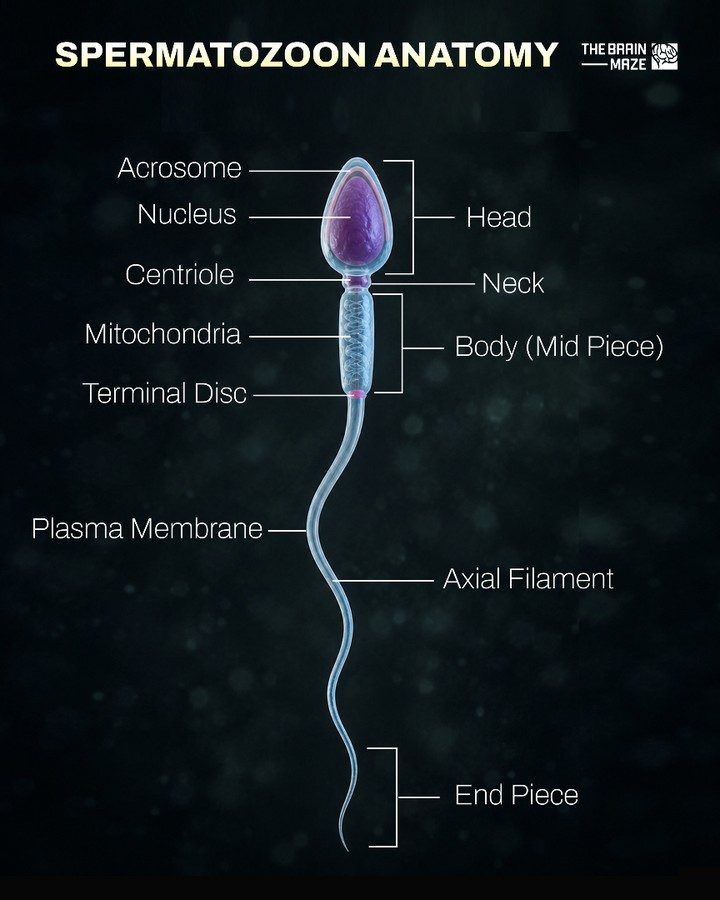
Spermatozoon Anatomy
Understanding the structure of a sperm cell, or spermatozoon, is crucial for comprehending the processes involved in fertilization and reproduction. A spermatozoon is a complex cell with distinct parts, each serving a specific function. By examining these components, we gain insight into how sperm cells navigate, penetrate the egg, and ultimately contribute to the creation of new life.
Context / Why this matters
The anatomy of a spermatozoon is not just a topic of biological curiosity; it has practical applications in areas such as fertility treatments, reproductive health, and even in the development of contraceptives. By understanding the structure and function of each part, medical professionals can better diagnose and treat reproductive issues, and scientists can develop more effective therapies and interventions.
Main discussion
The Components of a Sperm Cell
A spermatozoon is composed of several key components, each with a unique role in the cell's journey and function. Let's break down these components.
Head
The head of the sperm cell contains the nucleus, which houses the genetic material. The nucleus is surrounded by the acrosome, a cap-like structure filled with enzymes that help the sperm penetrate the egg. This region is essential for fertilization, as the enzymes in the acrosome enable the sperm to break through the protective layers of the egg.
Neck
Connecting the head to the body is the neck, which contains the centriole. The centriole plays a critical role in cell division and the formation of the flagellum, the tail-like structure that propels the sperm.
Body (Mid Piece)
The body, also known as the midpiece, is packed with mitochondria. These organelles provide the energy needed for the sperm to move efficiently. The high concentration of mitochondria in this region is crucial for sustained motility, enabling the sperm to travel through the female reproductive tract and reach the egg.
Tail (End Piece)
The tail, or end piece, consists of the axial filament, a long, whip-like structure that facilitates movement. This part of the sperm is responsible for its swimming motion, which is necessary for navigating the reproductive system and reaching the egg.
The Plasma Membrane
Surrounding the entire sperm cell is the plasma membrane, a protective barrier that maintains the cell's integrity. This membrane also contains receptors that help the sperm recognize and bind to the egg, an essential step in the fertilization process.
Terminal Disc
The terminal disc is a small, disc-shaped structure located at the end of the tail. Its function is not fully understood, but it is believed to play a role in the sperm's motility and guidance towards the egg.
Practical tips
Enhancing Fertility
For those seeking to enhance fertility or address reproductive issues, understanding the anatomy of a spermatozoon can be beneficial. For example, knowing the importance of mitochondria in the midpiece can highlight the need for a healthy lifestyle, as poor nutritional habits and stress can negatively impact mitochondrial function. Regular exercise, a balanced diet, and stress management can all contribute to better sperm health.
Medical Interventions
Medical professionals use knowledge of sperm anatomy to develop treatments for infertility. For instance, Intra Cytoplasmic Sperm Injection (ICSI) is a technique where a single sperm is injected directly into an egg. This procedure requires a deep understanding of the sperm's structure to ensure the selected sperm is viable and capable of fertilization.
Research and Development
Scientists studying the anatomy of sperm cells contribute to the advancement of reproductive technologies. Their research can lead to new contraceptives, treatments for infertility, and even potential cures for genetic disorders passed through sperm.
Important Takeaways
- Acrosome: Contains enzymes essential for penetrating the egg.
- Nucleus: Houses the genetic material that will combine with the egg's genetic material.
- Centriole: Plays a role in cell division and the formation of the flagellum.
- Mitochondria: Provide energy for the sperm’s movement.
- Axial Filament: Propels the sperm through the female reproductive tract.
- Plasma Membrane: Protects the cell and contains receptors for egg recognition.
Conclusion
The intricate structure of a spermatozoon is a testament to the complexity and precision of biological processes. Each component of the sperm cell—from the acrosome to the end piece—plays a vital role in ensuring successful fertilization. By understanding the anatomy and function of these parts, we can gain valuable insights into reproductive health, fertility treatments, and the development of new medical interventions. This knowledge empowers individuals to make informed decisions about their reproductive health and supports the advancement of reproductive technologies.
Watch the Reel
Questions readers ask
What are the main parts of a sperm cell and their functions?
The main parts of a sperm cell, or spermatozoon, include the head, neck, and tail. The head contains the nucleus and acrosome, which house the genetic material and enzymes for penetrating the egg. The neck connects the head to the tail and contains the centriole, essential for cell division. The tail, or flagellum, propels the sperm cell towards the egg.
Why is the acrosome important in a sperm cell?
The acrosome is a cap-like structure at the front of the sperm cell's head. It contains enzymes that help the sperm cell penetrate the protective layers surrounding the egg, facilitating fertilization. Without a functional acrosome, the sperm cell may struggle to reach and fertilize the egg.
What role do mitochondria play in sperm cell function?
Mitochondria in the sperm cell are primarily found in the midpiece, or neck, of the cell. They provide the energy necessary for the tail to move, enabling the sperm cell to swim towards the egg. Adequate mitochondrial function is crucial for the motility and overall effectiveness of the sperm cell.
How does the centriole contribute to the sperm cell's role in reproduction?
The centriole, located in the neck of the sperm cell, plays a vital role in cell division. After fertilization, the centriole from the sperm cell helps to organize the mitotic spindle, which is essential for the division of the fertilized egg into two cells, initiating the process of embryonic development.
What is the significance of understanding sperm cell structure in fertility treatments?
Understanding the structure and function of sperm cells is paramount in fertility treatments. It helps medical professionals identify abnormalities that may affect a sperm cell's ability to reach and fertilize an egg. This knowledge can guide treatments such as intrauterine insemination (IUI) or in vitro fertilization (IVF), improving the chances of successful conception.
What is the function of the sperm cell's nucleus?
The nucleus of a sperm cell contains tightly packed genetic material, specifically 23 chromosomes. Upon fertilization, the sperm cell's nucleus fuses with the nucleus of the egg, contributing half of the genetic material necessary for the creation of a new, unique individual.
Related deep dives
Similar reads based on topic and creator.




Recent articles
Fresh deep dives from the latest Reels we unpacked.




Comments
Be the first to comment.