The Distinctions Between Commonly Confused Words and Objects
People often mix up certain words and objects in everyday language, and understanding their differences can help prevent misunderstandings. Let's break down some of the most commonly confused terms and objects, providing clarity on their distinctions.
Why This Matters
Being aware of these distinctions can help prevent misunderstandings, appreciate the nuances of language and nature, and even appreciate the finer differences between words and objects.
Main Discussion
Venomous vs. Poisonous
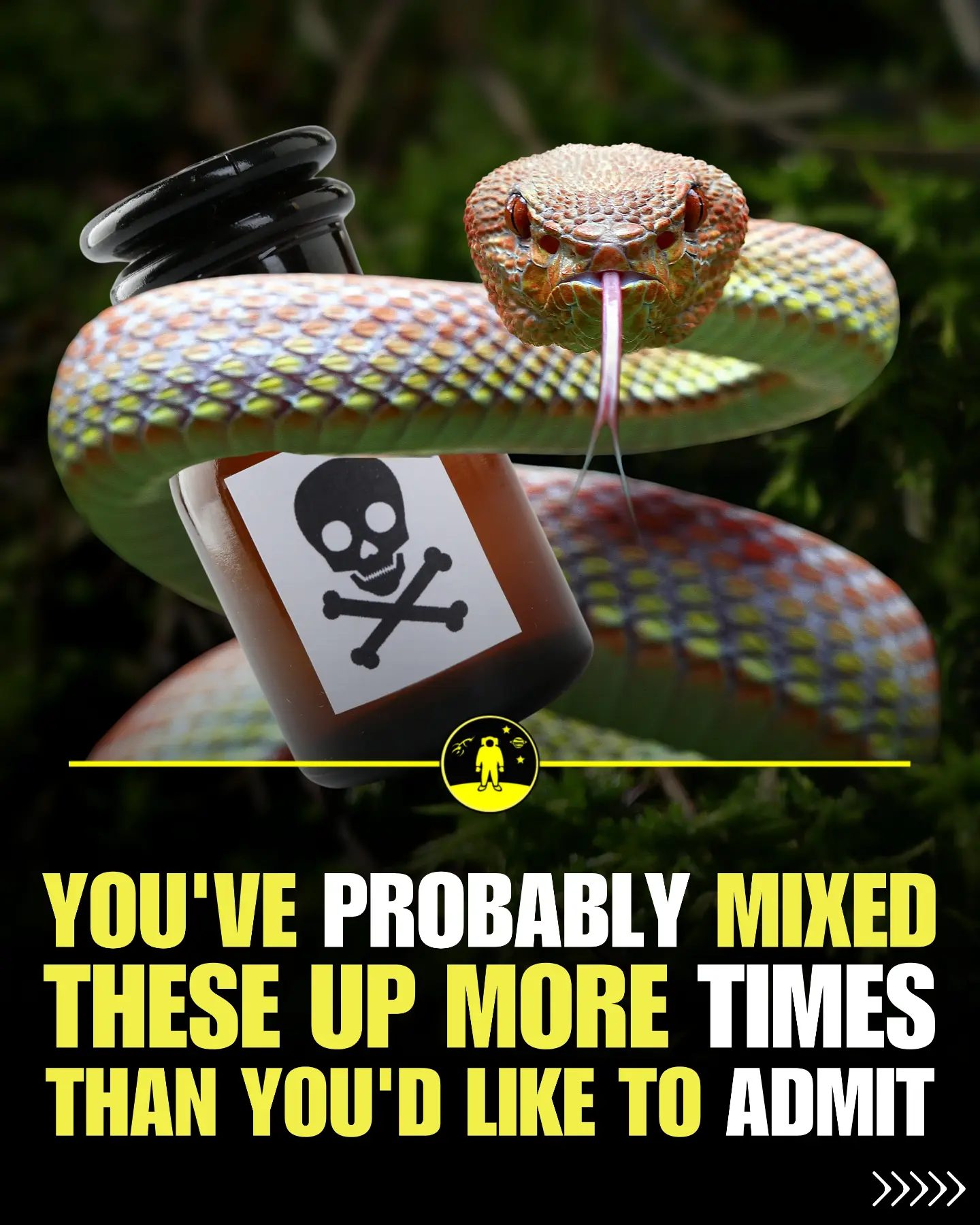
Understanding the difference between venomous and poisonous organisms is crucial for safety. A venomous animal, such as a snake, injects toxins through a bite, sting, or spine, while a poisonous organism, like a poisonous mushroom, harms you if you eat it, touch it, or absorb its toxins. For example, the venom from a snakebite can cause severe injury or death, while ingesting a poisonous mushroom can lead to similar outcomes. Knowing the difference can be lifesaving in certain situations.
Cement vs. Concrete
Cement and concrete are commonly confused, but they are not the same. Cement is the binding ingredient used to make concrete. Concrete, on the other hand, is the finished building material made by mixing cement with water and aggregates like sand and gravel. This mixture hardens over time, forming a strong and durable material used in construction. Understanding the difference is important for anyone involved in construction or home improvement projects.
Alligators vs. Crocodiles
Alligators and crocodiles are close relatives, but they have distinct physical characteristics. Alligators have broader, U-shaped snouts, whereas crocodiles have narrower, V-shaped snouts. Additionally, when a crocodile's mouth is closed, its lower teeth are visible, while an alligator's lower teeth are not. This difference is crucial for identifying these reptiles in the wild, as it can help determine which species you are dealing with, which is important for safety and conservation efforts.
Hurricanes, Typhoons, and Cyclones
Hurricanes, typhoons, and cyclones are all types of tropical cyclones, but they are named differently based on their location. Hurricanes occur in the Atlantic and eastern Pacific, typhoons in the western Pacific, and cyclones in the Indian Ocean and South Pacific. The region where these storms form influences their naming and tracking, which is essential for weather forecasting and preparedness.
Moths vs. Butterflies
Moths and butterflies are both insects, but they have distinct characteristics. Moths usually have feathery or comb-like antennae and tend to rest with their wings spread. Butterflies, on the other hand, have club-shaped antennae and typically fold their wings upright when at rest. These differences in appearance and behavior can help in identifying these insects in nature.
Stalactites vs. Stalagmites
In caves, stalactites hang from the ceiling, while stalagmites grow upward from the ground. Both formations are created by the deposition of minerals from dripping water, but their orientation and growth patterns differ. Knowing this difference can enhance your understanding of cave formations and their natural processes.
Tortoises vs. Turtles
Both tortoises and turtles belong to the order Testudines, but they have different adaptations. Tortoises are land-dwellers with sturdy, domed shells, while turtles are adapted for life in the water with flatter, more streamlined shells. Understanding these differences can help in appreciating the diverse adaptations of these reptiles and their habitats.
Practical Tips
- Identify Venomous and Poisonous Organisms: Always be cautious around snakes and other wild animals, and avoid handling unfamiliar plants or mushrooms.
- Construction Materials: Know the difference between cement and concrete for effective building and repair projects.
- Wildlife Identification: Learn to distinguish between alligators and crocodiles for safety and conservation purposes.
- Weather Preparedness: Stay informed about tropical cyclones and their naming conventions to be better prepared for weather events.
- Nature Observation: Pay attention to the differences between moths and butterflies, stalactites and stalagmites, and tortoises and turtles for a deeper appreciation of nature.
Important Takeaways
Understanding the distinctions between these commonly confused words and objects can enhance your knowledge and safety. Whether it's identifying dangerous animals, using construction materials correctly, or appreciating the nuances of nature, these distinctions matter. By being aware of these differences, you can make more informed decisions and enjoy a deeper understanding of the world around you.
Conclusion
Learning the differences between these commonly confused words and objects can help prevent misunderstandings and enhance your understanding of the world. Whether you're in the field of construction, wildlife observation, or simply navigating everyday life, these distinctions can make a significant difference. By being aware of these differences, you can make more informed decisions and enjoy a deeper understanding of the world around you.
Watch the Reel
Questions readers ask
What is the main difference between venomous and poisonous organisms?
The key difference lies in how they deliver their toxins. Venomous organisms, like snakes or spiders, actively inject venom through a bite, sting, or spine. Poisonous organisms, such as certain mushrooms or frogs, deliver toxins passively when touched, ingested, or inhaled.
Can you give examples of venomous and poisonous animals?
Venomous animals include snakes (e.g., rattlesnakes, cobras), spiders (e.g., black widows, brown recluses), and scorpions. Poisonous animals include poison dart frogs, pufferfish, and certain species of jellyfish.
How can you distinguish between alligators and crocodiles by their physical appearance?
Alligators have a broader, U-shaped snout, while crocodiles have a more pointed, V-shaped snout. Additionally, when an alligator's mouth is closed, the teeth in the upper jaw are mostly hidden. In contrast, a crocodile's teeth are visible even when its mouth is shut.
What are some key differences in the habits of alligators and crocodiles?
Alligators are typically found in freshwater environments like rivers and lakes, while crocodiles can tolerate saltwater and are often found in coastal areas, including brackish and marine habitats. Alligators are more social and less aggressive toward humans, whereas crocodiles are more solitary and generally more aggressive.
What are the main differences between concrete and cement?
Cement is a fine powder made of limestone and clay, which is then used to make concrete. Concrete is a mixture of cement, water, and aggregates like sand and gravel. Cement is the binding agent, while concrete is the final product used in construction. Concrete is stronger and more durable than cement alone.
How can you identify a crocodile from an alligator?
To identify a crocodile, look for a more pointed, V-shaped snout and teeth that are visible even when the mouth is closed. Additionally, crocodiles often have a more armored appearance, with thicker, bony plates along their belly, a feature that alligators lack. Crocodiles also tend to be more aggressive and are known to inhabit saltwater environments.
Related deep dives
Similar reads based on topic and creator.




Recent articles
Fresh deep dives from the latest Reels we unpacked.




Comments
Be the first to comment.