Gold Karat Purity
Understanding the purity of gold is crucial for anyone interested in jewelry or investing in precious metals. Gold purity is measured in karats, a system that indicates the proportion of gold in an alloy. The karat system ranges from 1 to 24, with 24 karat representing nearly pure gold.
Why This Matters
Knowing the karat value of gold helps in making informed decisions about jewelry purchases and investments. Each karat value signifies a different composition of gold and other metals, affecting the piece's durability, color, and value. For those looking to buy gold jewelry or invest in gold, understanding these differences can ensure they get the right product for their needs.
Main Discussion
The Karat System Explained
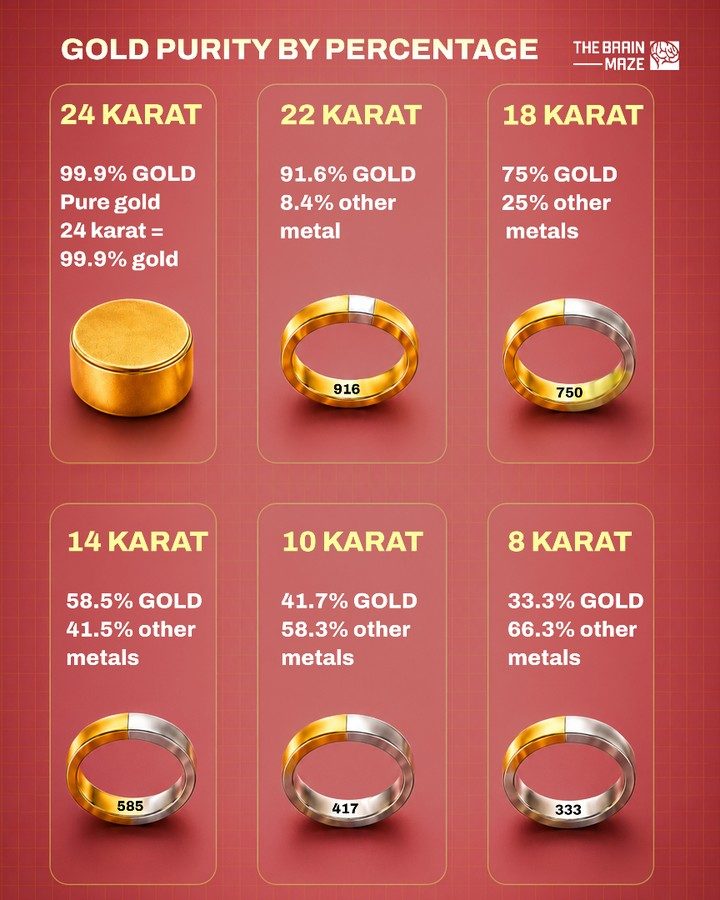
The karat system is widely used to denote the purity of gold. One karat is equivalent to 1/24th part of pure gold by weight. Therefore, 24 karat gold is nearly pure, containing about 99.9% gold. As the karat value decreases, the amount of gold in the alloy diminishes, and the percentage of other metals increases. These additional metals, often including silver, copper, or zinc, enhance the gold's strength and durability, making it more suitable for everyday wear.
24 Karat Gold
24 karat gold is the purest form available, with a gold content of 99.9%. This high purity results in a rich, yellow color that is highly prized in jewelry. However, due to its softness, 24 karat gold is not ideal for pieces that require structural integrity, such as rings or bracelets that are worn daily. It is more commonly used in decorative items or coins.
22 Karat Gold
22 karat gold contains 91.6% pure gold and 8.4% other metals, usually copper or silver. This combination provides a good balance between purity and durability. 22 karat gold is often used in jewelry because it retains much of the luster and color of pure gold while being more durable. This makes it a popular choice for items like wedding bands and other frequently worn pieces.
18 Karat Gold
18 karat gold consists of 75% pure gold and 25% other metals. This composition offers a good mix of purity, color, and durability. 18 karat gold is a favorite for high-end jewelry due to its balance of aesthetics and durability. It is less likely to bend or scratch, making it perfect for engagement rings and other significant pieces.
14 Karat Gold
14 karat gold is composed of 58.5% pure gold and 41.5% other metals. This alloy is highly durable and suitable for everyday jewelry, including watches, necklaces, and earrings. Its durability and affordability make it a popular choice for many. 14 karat gold often has a slightly paler color due to the higher percentage of other metals, but it remains a beautiful and practical option.
10 Karat Gold
10 karat gold contains 41.7% pure gold and 58.3% other metals. This level of purity is the minimum accepted standard for gold in the United States. 10 karat gold is very durable and affordable, making it a good choice for those who want gold jewelry without the higher cost. However, it is less lustrous and more likely to cause allergic reactions due to the higher metal content.
8 Karat Gold
8 karat gold has the lowest purity level commonly available, with 33.3% pure gold and 66.7% other metals. This type of gold is very durable and affordable but lacks the rich yellow color of higher karat gold. It is often used in fashion jewelry or costume pieces where durability is more important than purity.
Practical Tips
Choosing the Right Karat for Different Jewelry Types
- For Engagement or Wedding Rings: Opt for 18 or 22 karat gold. These options provide a good balance of purity, durability, and resistance to scratches and bends.
- For Everyday Jewelry: Consider 14 or 18 karat gold. These are robust enough to withstand daily wear and tear.
- For Decorative Pieces or Collections: Choose 24 karat gold for its pure, rich color. However, be mindful that it may not last as long as lower karat gold.
- For Affordable, Durable Jewelry: 10 or 8 karat gold are cost-effective options that offer good durability and a long lifespan.
- For Sensitive Skin: Opt for higher karat gold, as it contains fewer alloys that might cause skin irritation.
Caring for Gold Jewelry
- Storage: Store gold jewelry in a cool, dry place, preferably in a jewelry box with separate compartments to prevent scratching.
- Cleaning: Use a soft, non-abrasive cloth to clean gold jewelry. For deeper cleaning, use a mild soap and warm water solution, followed by thorough drying.
- Avoid Chemicals: Keep gold jewelry away from harsh chemicals, including household cleaners, chlorine, and bleach, as these can damage the metal.
Important Takeaways
- Purity and Durability: Higher karat gold is purer but softer, making it less suitable for everyday wear. Lower karat gold is more durable due to the addition of other metals.
- Color and Value: The yellow color of gold becomes richer as the karat value increases. Lower karat gold may have a paler hue.
- Cost: The cost of gold increases with its purity. Decide on the karat value based on your budget and intended use.
Conclusion
Gold karat purity is a crucial aspect to consider when buying or investing in gold. Each karat value offers a unique blend of purity, durability, and affordability. By understanding the differences and considering your needs, you can make informed decisions that ensure you get the best value and durability from your gold purchases.
Watch the Reel
Related deep dives
Similar reads based on topic and creator.

Recent articles
Fresh deep dives from the latest Reels we unpacked.




Comments
Be the first to comment.