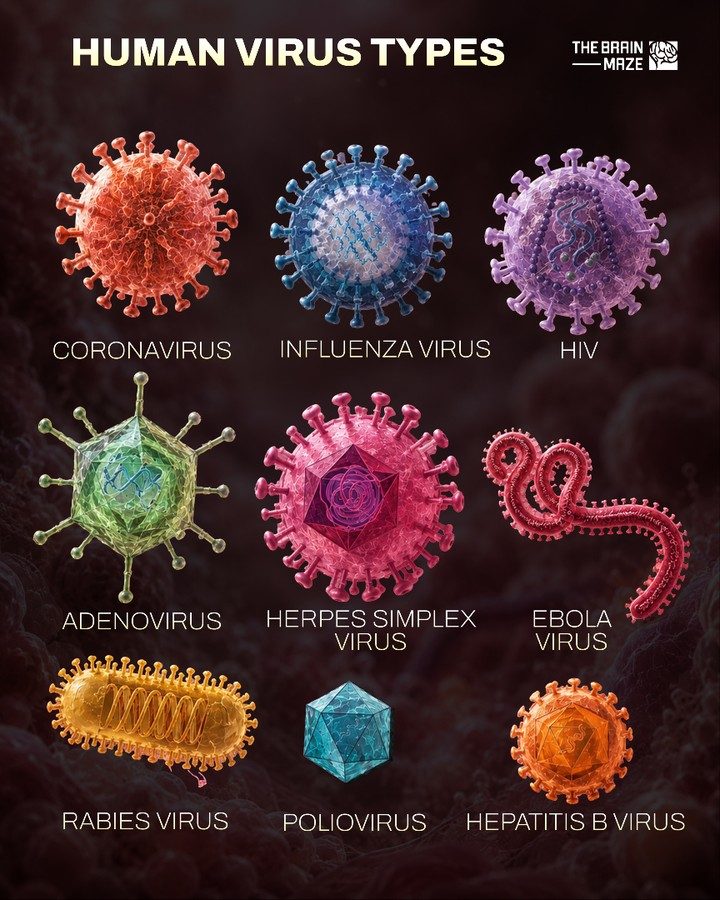
Human Virus Types
Human viruses exhibit a wide range of shapes and structures, each uniquely designed to infect cells and propagate within the body. These viruses target various systems and organs, leading to diverse health outcomes. Understanding the different types of human viruses is crucial for developing effective prevention and treatment strategies.
Context / Why this matters
Viruses are a significant cause of diseases worldwide, impacting public health on a global scale. By learning about the different types of viruses and how they operate, we can better appreciate the complexities involved in vaccine development and disease management. This knowledge empowers healthcare professionals and researchers to create targeted interventions, improving public health outcomes and saving lives.
Main Discussion
Coronavirus and Influenza Virus
Coronavirus and influenza virus are among the most well-known viruses that primarily affect the respiratory system. Coronavirus, responsible for diseases like COVID-19, has highlighted the importance of understanding viral transmission and the need for rapid response strategies. Influenza virus, on the other hand, causes seasonal flu outbreaks and necessitates annual vaccinations to stay ahead of evolving strains.
HIV
HIV (Human Immunodeficiency Virus) is a virus that targets the immune system. It attacks CD4 cells, a type of white blood cell, weakening the body's ability to fight infections and diseases. HIV can lead to Acquired Immunodeficiency Syndrome (AIDS) if left untreated, making prevention and early intervention critical.
Adenovirus
Adenovirus is a common virus that can cause a range of illnesses, including respiratory infections, gastrointestinal issues, and conjunctivitis. It is known for its resilience and ability to infect various tissues, making it a challenging virus to control in communal settings like schools and hospitals.
Herpes Simplex Virus
Herpes simplex virus (HSV) is notable for its ability to remain dormant within the body for extended periods. There are two main types: HSV-1, which typically causes oral herpes (cold sores), and HSV-2, which is associated with genital herpes. Both types can cause recurrences, often triggered by stress or a weakened immune system.
Ebola Virus
Ebola virus is infamous for its high mortality rate and rapid spread, particularly in outbreaks within Africa. It causes severe hemorrhagic fever, leading to internal and external bleeding. The virus is highly contagious and requires stringent infection control measures to prevent its spread.
Rabies Virus
Rabies virus is transmitted through the bite of an infected animal and affects the central nervous system. It is almost always fatal once symptoms appear, making prevention through vaccination of domestic animals and immediate post-exposure treatment crucial.
Poliovirus
Poliovirus, responsible for poliomyelitis, attacks the nervous system and can cause paralysis. Thanks to widespread vaccination efforts, polio has been largely eradicated in many parts of the world, but it remains a threat in certain regions, underscoring the importance of continued vaccination initiatives.
Hepatitis B Virus
Hepatitis B virus targets the liver and can cause both acute and chronic infections. Chronic hepatitis B can lead to liver cirrhosis and liver cancer if left untreated. Vaccination is the most effective way to prevent hepatitis B, highlighting the importance of global immunization efforts.
Practical Tips
Vaccination
Vaccination is one of the most effective ways to prevent viral infections. Staying up-to-date with recommended vaccines can protect against a wide range of viruses, including influenza, hepatitis B, and polio.
Hygiene Practices
Maintaining good hygiene practices, such as regular hand washing, using hand sanitizers, and covering your mouth when coughing or sneezing, can help prevent the spread of respiratory viruses like coronavirus and influenza.
Safe Sex Practices
Practicing safe sex, including the use of condoms, can reduce the risk of contracting sexually transmitted viruses like HIV and herpes simplex virus.
Post-Exposure Treatment
In cases of potential exposure to viruses like rabies, seeking immediate medical attention is crucial. Post-exposure prophylaxis, including vaccination and immunoglobulin treatment, can prevent the onset of the disease.
Public Health Awareness
Staying informed about viral outbreaks and public health advisories can help individuals take timely precautions. Following guidelines from health authorities can mitigate the spread of viruses and protect communities.
Important Takeaways
Understanding the diverse types of human viruses is key to developing effective strategies for prevention, treatment, and control. Each virus has unique characteristics and targets different systems within the body, requiring tailored approaches to manage and mitigate their impact. Vaccination, hygiene practices, and public health awareness are essential components in the fight against viral infections.
Conclusion
The world of human viruses is complex and ever-evolving. From respiratory pathogens like coronavirus and influenza to immune system attackers like HIV and liver-targeting viruses like hepatitis B, each type presents unique challenges. By staying informed and adhering to preventive measures, we can better protect ourselves and our communities from these infectious agents.
Watch the Reel
Questions readers ask
What are the most common types of human viruses?
The most common types of human viruses include respiratory viruses like influenza and coronaviruses, which cause illnesses ranging from mild colds to severe respiratory infections. Other prevalent viruses are the human immunodeficiency virus (HIV), which attacks the immune system, and the herpes simplex virus, known for causing cold sores and genital herpes. Hepatitis viruses, particularly types A, B, and C, are also common, affecting the liver and leading to conditions like hepatitis and liver cancer.
How do different viruses affect the body?
Viruses affect the body in various ways depending on the type and the body system they target. For instance, respiratory viruses like the flu can cause inflammation and irritation in the lungs and airways, leading to symptoms like coughing, sneezing, and fever. Viruses that target the immune system, such as HIV, can weaken the body's defenses, making individuals more susceptible to other infections. Meanwhile, hepatitis viruses primarily affect the liver, causing inflammation and potentially leading to liver damage or cancer.
What are the typical symptoms of a coronavirus infection?
Coronavirus symptoms can range from mild to severe and typically include fever, dry cough, and fatigue. Other common symptoms are shortness of breath, body aches, and loss of taste or smell. In more severe cases, particularly with variants like Delta and Omicron, individuals may experience pneumonia, difficulty breathing, and even multi-organ failure.
How can understanding virus structures help in developing health strategies?
Understanding the structure and function of viruses is crucial for developing effective health strategies. By knowing how a virus enters and infects cells, researchers can design targeted treatments and vaccines. For example, understanding the spike proteins on coronaviruses led to the development of mRNA vaccines that trigger an immune response against these proteins. This detailed knowledge also aids in creating preventive measures, such as hygiene protocols and public health guidelines, to minimize the risk of infection and spread.
What preventive measures can be taken to protect against common human viruses?
Preventive measures against common human viruses include regular handwashing, using alcohol-based hand sanitizers, and wearing face masks, especially in crowded or enclosed spaces. Vaccination is another critical strategy, as it helps build immunity against specific viruses. Additionally, maintaining a healthy lifestyle, such as eating a balanced diet and exercising regularly, can boost the immune system. Social distancing, avoiding close contact with infected individuals, and staying home when sick are also effective in preventing the spread of viruses.
What are the different types of hepatitis viruses and their effects?
There are several types of hepatitis viruses, each with distinct effects on the liver. Hepatitis A is typically spread through contaminated food or water and causes acute liver inflammation. Hepatitis B and C are often transmitted through blood or bodily fluids and can lead to chronic infections, liver cirrhosis, and liver cancer. Hepatitis D only infects individuals already infected with hepatitis B and can exacerbate the severity of the disease. Hepatitis E is usually spread through contaminated water and can cause acute hepatitis and, in rare cases, liver failure, particularly in pregnant women.
Related deep dives
Similar reads based on topic and creator.




Recent articles
Fresh deep dives from the latest Reels we unpacked.




Comments
Be the first to comment.