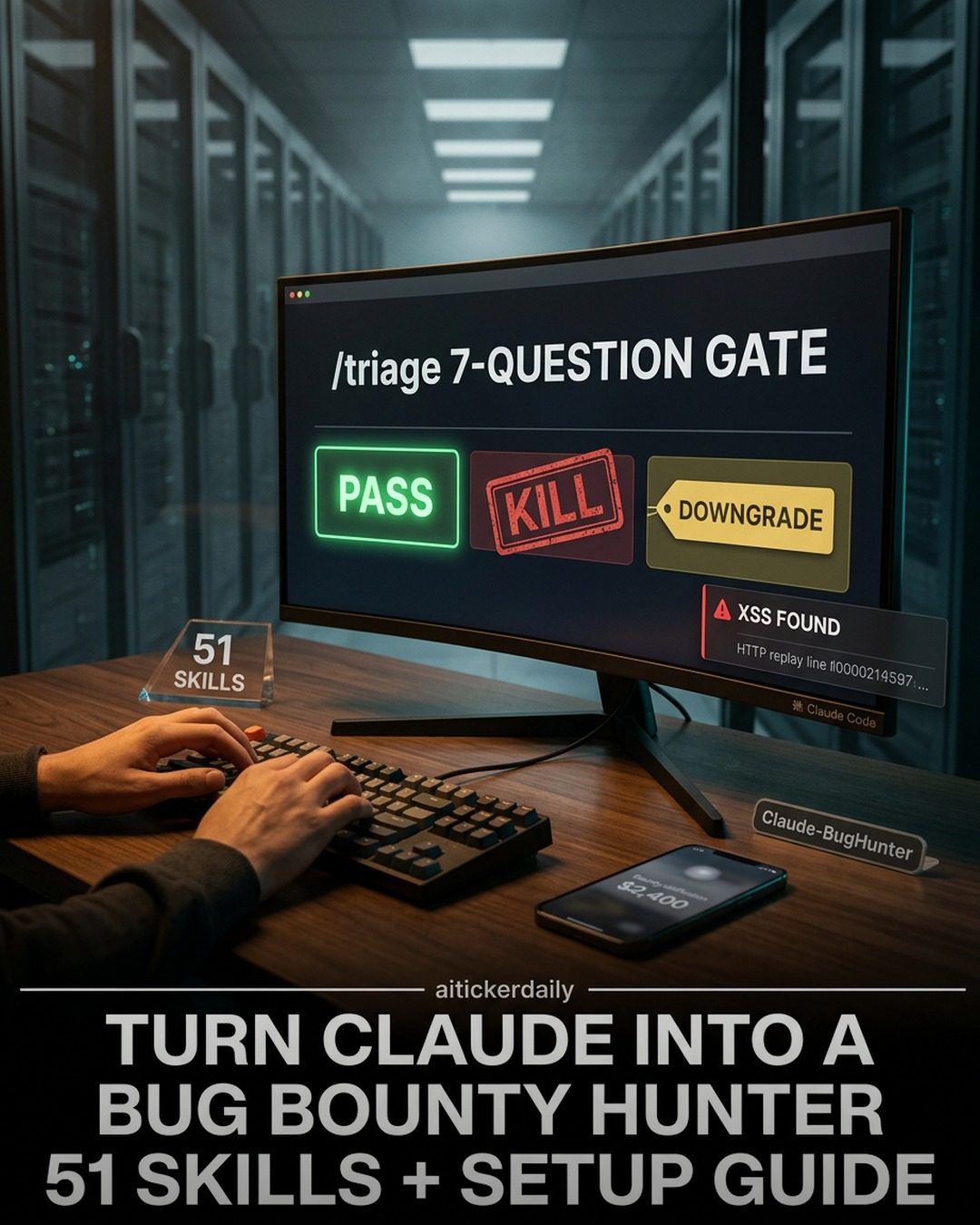
Claude-BugHunter: The Ultimate Guide to Bug Bounty Hunting
Bug bounty hunting has become a popular and lucrative field, offering both financial rewards and the satisfaction of making the digital world a safer place. One of the most comprehensive tools for aspiring bug bounty hunters is Claude-BugHunter. This guide will walk you through the essential aspects of using Claude-BugHunter, from setup to executing your first hunt.
Context: Why Bug Bounty Hunting Matters
Bug bounty hunting is the practice of identifying and reporting vulnerabilities in software, hardware, or networks. It's a vital part of cybersecurity, as it helps organizations discover and fix flaws before malicious actors can exploit them. For those with a keen interest in cybersecurity, bug bounty hunting offers a unique blend of challenge, learning, and potential financial gain.
Understanding Claude-BugHunter
Claude-BugHunter is a specialized tool designed to turn the versatile Claude Code into a structured bug-bounty co-pilot. It provides a suite of 51 skills and 15 commands that automate and enhance the bug-hunting process. Here's a breakdown of what makes Claude-BugHunter stand out:
The 51 Skills
Claude-BugHunter includes 51 distinct skills, each tailored to different aspects of bug bounty hunting. These skills range from reconnaissance and enumeration to exploitation and reporting. The tool automatically loads the relevant skill sets based on the type of vulnerability you are testing for, such as XSS (Cross-Site Scripting), SSRF (Server-Side Request Forgery), or IDOR (Insecure Direct Object Reference).
Commands for Efficient Hunting
The 15 commands in Claude-BugHunter are designed to streamline your workflow. These commands include:
- /triage 7-question gate: This command helps you evaluate the severity and validity of a vulnerability.
- /report templates: Pre-defined templates to generate clear and concise reports for submitting your findings.
- /fact-check: Ensures the accuracy of your findings by cross-verifying with existing databases and resources.
Realistic Economics and Ethical Practices
One of the standout features of Claude-BugHunter is its emphasis on realistic economics and ethical practices. The tool promotes a structured approach to learning and practicing bug bounty hunting, ensuring that you treat ethics as non-negotiable. The cost of using Claude Code for bug bounty hunting is approximately $20 per month, making it an affordable option for beginners and professionals alike. Additionally, practice labs and platforms like HackerOne and Hacker101 are free to join, providing ample opportunities to hone your skills without financial barriers.
Setting Up Claude-BugHunter
Before diving into bug bounty hunting, it's essential to set up your environment correctly. Here's a step-by-step guide to getting started with Claude-BugHunter:
Requirements
- Claude Plan: Ensure you have a Claude plan, which costs around $20 per month.
- Practice Labs: Join HackerOne and Hacker101 for free practice labs.
- Optional Tools: Tools like Burp Suite can be useful but are not mandatory.
Installation and Setup
- Download the GitHub Repository: Clone the repository from github.com/elementalsouls/Claude-BugHunter.
- Install Dependencies: Follow the instructions in the README file to install any necessary dependencies.
- Configure Settings: Customize the settings to match your preferences and workflow.
Conducting Your First Bug Hunt
Once your environment is set up, you're ready to conduct your first bug bounty hunt. Here's a structured approach to get you started:
Step 1: Reconnaissance
Begin by gathering as much information as possible about the target. Use plain English to describe what you are testing, and Claude-BugHunter will route you to the appropriate skills and commands. Resources such as Juice Shop and testphp are excellent for practicing reconnaissance.
Step 2: Methodology and Skill Loading
Claude-BugHunter will load the methodology skills automatically. When you paste the output back, the tool will detect vulnerable patterns and automatically load the matching specialist skill. This ensures that you are always using the most relevant tools for the task at hand.
Step 3: No Command Memorization
One of the advantages of using Claude-BugHunter is that you don't need to memorize commands. Simply describe what you are testing, and the tool will guide you through the process. This makes the learning curve less steep and allows you to focus on understanding the concepts rather than remembering specific commands.
Step 4: Reporting and Validation
After identifying a vulnerability, use the /report templates to generate a clear and concise report. The /report command helps you document your findings systematically, ensuring that your reports are comprehensive and easy to understand.
Practical Tips for Successful Bug Hunting
- Stay Ethical: Always ensure that your activities are legal and ethical. Treat permissions as non-negotiable.
- Learn Fundamentals: Understand the basics of cybersecurity before diving into bug bounty hunting. Platforms like HackerOne and Hacker101 offer valuable learning resources.
- Practice Regularly: The more you practice, the better you will get. Use practice labs and platforms to hone your skills.
- Stay Updated: Follow resources like curatedaidotnet to stay updated with the latest trends and developments in the field.
Important Takeaways
- Structured Learning: Claude-BugHunter provides a structured approach to learning and practicing bug bounty hunting, making it accessible for beginners and professionals.
- Automated Skills: The tool automatically loads relevant skills based on the type of vulnerability, ensuring efficiency and accuracy.
- Ethical Practices: Emphasizes ethical practices and realistic economics, making it a reliable tool for aspiring bug bounty hunters.
- Community Support: Join platforms like HackerOne and Hacker101 for practice labs and community support.
Conclusion
Bug bounty hunting is a rewarding and challenging field, and Claude-BugHunter is an invaluable tool for those looking to excel in this area. With its structured approach, automated skills, and ethical practices, Claude-BugHunter provides everything you need to become a successful bug bounty hunter. So, whether you're a beginner or an experienced hunter, Claude-BugHunter is a must-have tool in your arsenal. Happy hunting!
Watch the Reel
Questions readers ask
What is Claude-BugHunter and how does it assist in bug bounty hunting?
Claude-BugHunter is a specialized tool designed to help bug bounty hunters streamline their workflow. It offers 51 skills and 15 commands that are tailored to identify and mitigate various cybersecurity flaws, making the process of vulnerability identification and reporting more efficient and effective.
How can I get started with Claude-BugHunter for bug bounty hunting?
To begin using Claude-BugHunter, you'll need to follow the setup instructions provided in the tool's documentation. This typically involves installing the tool and familiarizing yourself with its commands and skills. It's recommended to start with basic reconnaissance tasks to understand how the tool operates before moving on to more complex vulnerability identification processes.
What are some of the key commands in Claude-BugHunter that are useful for bug bounty hunters?
Claude-BugHunter provides 15 commands that cover a wide range of tasks, from initial reconnaissance to detailed vulnerability analysis. Commands like 'recon' for gathering information and 'exploit' for testing potential vulnerabilities are particularly useful. Exploring these commands through the tool's interface or documentation will give you a better understanding of their specific applications.
Why is Claude-BugHunter considered one of the top bug bounty tools available?
Claude-BugHunter is highly regarded due to its comprehensive set of 51 skills and 15 commands, which enable bug bounty hunters to efficiently identify and report vulnerabilities. It simplifies the entire bug bounty process, making it accessible for both beginners and experienced hunters.
Where can I find more information or resources to practice using Claude-BugHunter?
For additional resources and practice, you can explore bug bounty labs and communities that offer real-world scenarios to test your skills. Additionally, Claude-BugHunter's GitHub repository and associated forums can provide valuable insights, tutorials, and community support to enhance your bug bounty hunting practice.
Recent articles
Fresh deep dives from the latest Reels we unpacked.




Comments
Be the first to comment.