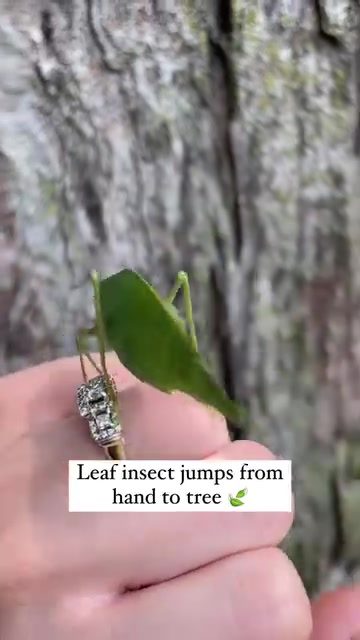
Leaf Insects: Masters of Camouflage and Agility
Leaf insects are fascinating creatures known for their extraordinary ability to blend seamlessly with their surroundings. These insects, often referred to as walking leaves due to their remarkable resemblance to foliage, are a marvel of nature's ingenuity. Their camouflage is not just about appearance; it is a survival strategy that allows them to evade predators and ensure their safety in the wild.
Context / Why this Matters
Understanding the behavior and adaptations of leaf insects can provide valuable insights into the broader world of insect biology and ecology. Their unique camouflage mechanisms and jumping abilities are not just fascinating; they also offer lessons in evolutionary adaptations. By studying these insects, scientists and nature enthusiasts alike can gain a deeper appreciation for the intricate balance of life in natural ecosystems.
Main Discussion
The Art of Camouflage
Leaf insects are masters of disguise. Their bodies are designed to mimic the leaves of the plants they inhabit, complete with intricate details like veins and edges. This mimicry is so effective that it can be challenging to spot these insects even when they are right in front of you. The ability to blend in with the environment is a crucial survival tactic, allowing them to avoid predators and thrive in their habitats.
Camouflaged Movements
While their appearance is remarkable, it is their movements that truly showcase their adaptability. Leaf insects are not only great at staying still and blending in, but they also move in a way that mimics the natural swaying of leaves in the wind. This careful movement helps them avoid detection by predators, making them nearly invisible in their natural surroundings.
Jumping Ability
One of the most impressive aspects of leaf insects is their jumping ability. Despite their delicate appearance, these insects can leap impressive distances, often from one leaf or branch to another. This agility allows them to quickly move away from potential threats or to new locations in search of food or shelter. The video demonstrates the insect's jumping ability as it leaps from a person's hand to a tree trunk, showcasing its swift and precise movements.
Habitat and Conservation
Leaf insects are typically found in tropical and subtropical regions, where they inhabit dense forests and lush vegetation. Their habitats provide ample opportunities for camouflage and protection. However, like many other species, leaf insects face threats from habitat destruction and climate change. Conservation efforts are crucial to protecting these unique creatures and the ecosystems they depend on.
Practical Tips for Observing Leaf Insects
Observing leaf insects in the wild can be a rewarding experience. Here are some practical tips to help you spot these elusive creatures:
-
Patience and Attention: Leaf insects are masters of camouflage, so you need to be patient and observant. Spend time in their habitats, moving slowly and quietly to increase your chances of spotting one.
-
Know the Environment: Understanding the type of vegetation they inhabit can help you narrow down your search. Look for areas with lush, dense foliage where the insects can easily blend in.
-
Use Binoculars: A good pair of binoculars can be invaluable for spotting these small, well-camouflaged insects. They allow you to scan the vegetation from a distance without disturbing the surroundings.
-
Move Slowly: Sudden movements can startle the insects and make them harder to spot. Move slowly and deliberately, and avoid making loud noises.
-
Look for Movement: While leaf insects are excellent at blending in, they do move. Look for subtle movements that might indicate the presence of an insect, even if it is hard to see at first glance.
Important Takeaways
-
Camouflage Mastery: Leaf insects are expert camouflage artists, using their appearance and movements to blend in with their surroundings.
-
Agile and Quick: Despite their delicate appearance, leaf insects are agile and can leap impressive distances, helping them evade predators and move quickly through their habitats.
-
Conservation Importance: These remarkable creatures face threats from habitat destruction and climate change. Conservation efforts are essential to protect their natural environments and ensure their survival.
-
Observation Skills: Spotting leaf insects requires patience, attention to detail, and a deep understanding of their habitats and behaviors.
Conclusion
Leaf insects are a testament to the wonders of nature and the incredible adaptations that allow them to thrive in their environments. Their masterful camouflage and agile movements make them a fascinating subject for anyone interested in insect biology and ecology. Whether you are a seasoned naturalist or a curious observer, taking the time to appreciate these remarkable creatures can be a deeply rewarding experience. By understanding and protecting their habitats, we can ensure that these marvels of nature continue to thrive for generations to come.
Watch the Reel
Related deep dives
Similar reads based on topic and creator.




Recent articles
Fresh deep dives from the latest Reels we unpacked.




Comments
Be the first to comment.