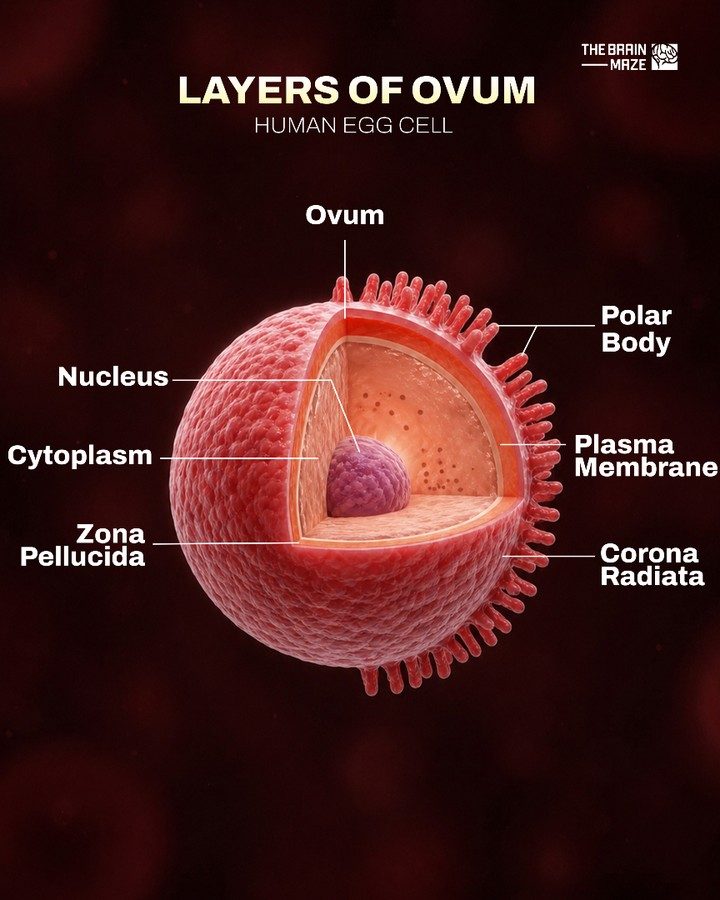
The Human Egg Cell: Structure and Function
The human egg cell, or ovum, is a marvel of biological engineering. Specialized for reproduction, it is the largest cell in the human body. Understanding the structure and function of the ovum provides insight into the intricate processes of human reproduction.
The Ovum's Role in Reproduction
The ovum plays a crucial role in human reproduction. It is formed through a process called oogenesis, which begins during fetal development and continues until menopause. The ovum is released during ovulation, where it travels down the fallopian tube to potentially meet a sperm cell for fertilization.
Within the ovum, the nucleus contains genetic material essential for fertilization. The cytoplasm, which surrounds the nucleus, provides the necessary nourishment to support the early stages of development. Together, these components ensure the ovum is prepared for fertilization and subsequent cell division.
Layers of the Ovum
The ovum is surrounded by several layers that provide protection and support. Key layers include the zona pellucida, plasma membrane, and corona radiata.
Zona Pellucida
The zona pellucida is an essential layer surrounding the ovum. It acts as a protective barrier, preventing multiple sperm cells from fertilizing the egg. This ensures that only one sperm can penetrate the ovum, maintaining the integrity of the cell division process. The zona pellucida is made of glycoprotein and is crucial for the fertilization process.
Plasma Membrane
The plasma membrane is the outermost layer of the ovum. It is a semi-permeable barrier that controls the movement of substances in and out of the cell. This membrane is essential for maintaining the cell's internal environment and is directly involved in the fertilization process by allowing the sperm to fuse with the ovum.
Corona Radiata
The corona radiata is a layer of cells that surrounds the zona pellucida. These granulosa cells provide support and protection to the ovum, aiding in its maturation and survival. The corona radiata also plays a role in the fertilization process by helping to guide the sperm toward the ovum.
Internal Components
The ovum's internal components are equally crucial for its function.
Nucleus
The nucleus of the ovum contains the genetic material necessary for reproduction. During fertilization, the sperm cell's genetic material fuses with the ovum's genetic material, creating a zygote. This fusion initiates the development of a new organism.
Cytoplasm
The cytoplasm is the gel-like substance that fills the ovum, surrounding the nucleus. It contains essential organelles and nutrients that support the early stages of development. The cytoplasm's role in the fertilization process is critical, as it provides the necessary environment for the zygote to grow and divide.
Polar Body
The polar body is a small cell that contains excess genetic material generated during the cell division process. These polar bodies are formed during the meiosis phase, where the ovum undergoes a reduction division. The polar body is usually discarded and does not play a role in fertilization.
Practical Tips for Understanding the Ovum
Understanding the ovum's structure and function can be complex, but breaking it down into its components makes it more manageable. Here are some practical tips for learning more about the ovum:
- Study the layers: Memorize the names and functions of the zona pellucida, plasma membrane, and corona radiata. Understanding these layers will give you a solid foundation for grasping the ovum's protective and supportive mechanisms.
- Explore the internal components: Learn about the nucleus and cytoplasm. Knowing the roles of these internal components will help you understand the ovum's reproductive function.
- Explore the polar body: Study the polar body and its role in the cell division process to deepen your understanding of the ovum's genetic material.
Important Takeaways
The ovum is a complex and fascinating cell with a crucial role in human reproduction. Key takeaways include:
- The ovum is the largest cell in the human body and is specialized for reproduction.
- It contains a nucleus with genetic material and cytoplasm that nourishes early development.
- The ovum is surrounded by a plasma membrane, a protective zona pellucida, and the corona radiata, which supports and protects the egg.
- The polar body contains excess genetic material from cell division.
Understanding the structure and function of the ovum provides valuable insights into the intricate processes of human reproduction. By studying its layers and internal components, one can gain a deeper appreciation for the complexities of the ovum. This knowledge is essential for anyone interested in reproductive biology and the fascinating world of human genetics.
Conclusion
The human egg cell, or ovum, is a remarkable example of biological precision. From its protective layers to its internal components, every part of the ovum plays a vital role in reproduction. By understanding the structure and function of the ovum, we can appreciate the intricate processes that make human life possible. Whether you're a student of biology or simply curious about the human body, exploring the ovum offers a wealth of information and insight.
Watch the Reel
Questions readers ask
What are the primary layers of a human egg cell?
The primary layers of a human egg cell, or ovum, include the corona radiata, zona pellucida, and plasma membrane. Each of these layers serves a unique function in protecting the ovum and facilitating fertilization.
What is the function of the zona pellucida in the human egg cell?
The zona pellucida is a thick glycoprotein layer surrounding the plasma membrane of the ovum. It plays a crucial role in sperm binding and prevents polyspermy, ensuring that only one sperm cell can fertilize the egg.
How does the corona radiata contribute to the ovum's protective layers?
The corona radiata is the outermost layer of the ovum, consisting of granulosa cells. It provides physical protection and supports the ovum's journey through the fallopian tube. It also aids in the sperm's penetration to the zona pellucida at the time of fertilization.
Why is the plasma membrane important in the human egg cell?
The plasma membrane of the ovum is a selective barrier that controls the movement of substances in and out of the cell. It also plays a critical role in the process of fertilization, as it allows the sperm to fuse with the egg and initiate cell division.
What is the role of the nucleus in the ovum?
The nucleus of the ovum contains 23 chromosomes, which hold the genetic material essential for the development of a new organism. During fertilization, the sperm's nucleus fuses with the egg's nucleus, combining their genetic material to form a zygote.
What is the ovum's cytoplasm and what is its purpose?
The cytoplasm of the ovum is the gel-like substance that surrounds the nucleus. It contains organelles and other components necessary for the cell's metabolic processes. The cytoplasm provides the resources required for early embryo development after fertilization.
Why is the human egg cell considered the largest cell in the human body?
The human egg cell is considered the largest cell due to its significant size, which is visible to the naked eye. This large size is crucial for accommodating the necessary components for fertilization and supporting the early stages of embryonic development.
Related deep dives
Similar reads based on topic and creator.




Recent articles
Fresh deep dives from the latest Reels we unpacked.




Comments
Be the first to comment.