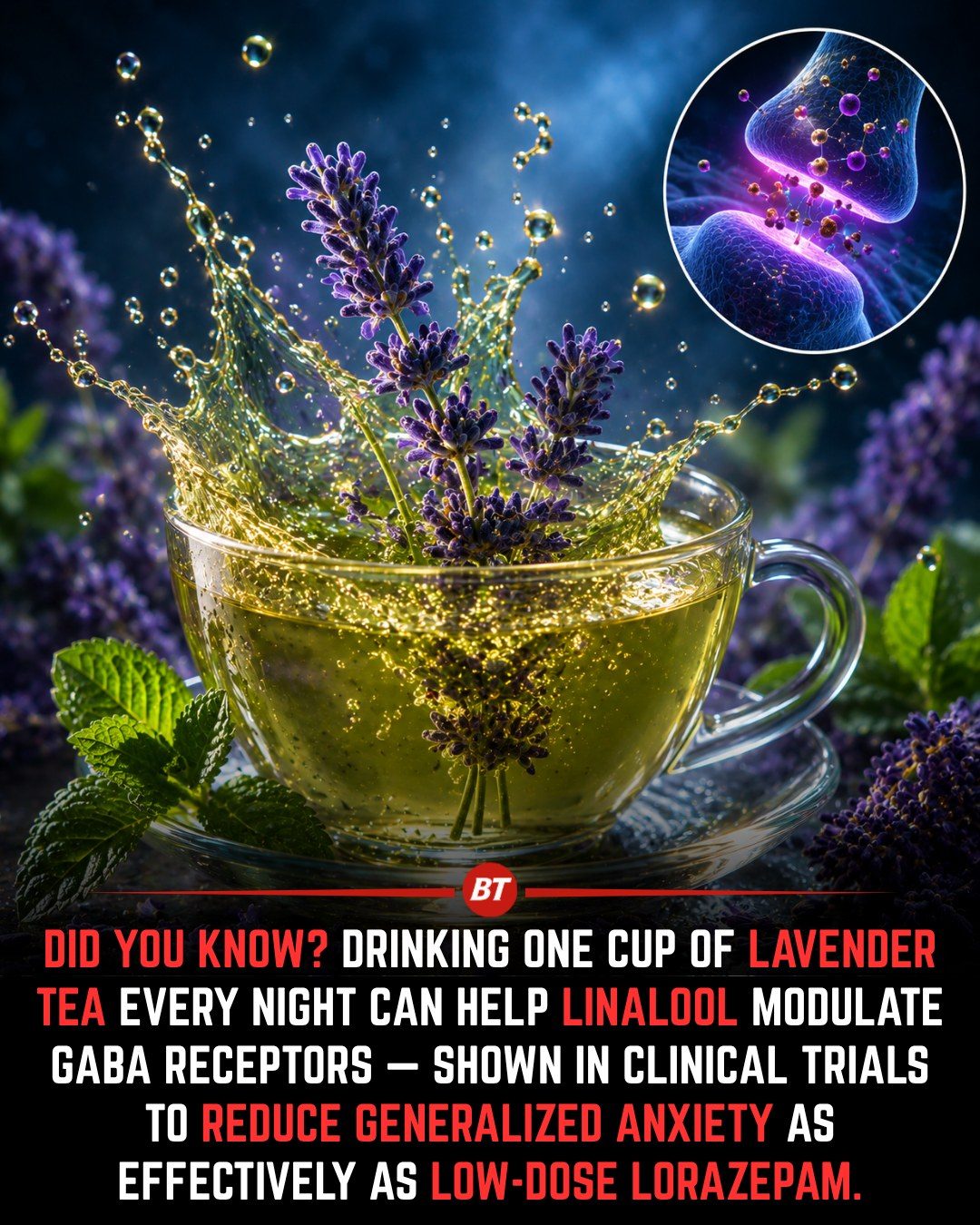
Lavender Tea Benefits
Lavender tea, with its delicate floral aroma and soothing properties, has long been a favorite among herbal tea enthusiasts. But beyond its pleasant taste, lavender tea offers a range of health benefits, particularly for those seeking to improve their anxiety, stress levels, and sleep quality. Here’s how a warm cup of lavender tea can do more than just help you unwind.
Why This Matters
In today's fast-paced world, managing stress and anxiety is crucial for maintaining overall well-being. Lavender tea, with its natural compounds like linalool and linalyl acetate, has been shown to have calming effects on the nervous system. These compounds interact with pathways involved in GABA signaling, the brain's primary calming neurotransmitter system. This interaction can help explain why lavender has been associated with reduced feelings of stress, improved relaxation, and better sleep quality.
Key Benefits of Lavender Tea
Mood and Anxiety
Clinical trials suggest that lavender tea can reduce generalized anxiety. The effect is comparable to low-dose lorazepam, a medication often prescribed for anxiety. Linalool, one of the key compounds in lavender, appears to modulate GABA receptors, which are crucial for regulating mood and anxiety levels. This modulation can lead to a sense of calm and reduced anxiety symptoms.
Sleep Quality
Drinking lavender tea before bed can be part of a healthy nighttime routine. The warm, caffeine-free nature of herbal tea, combined with the calming properties of lavender, can help signal to your brain that it's time to relax and prepare for sleep. This routine can improve sleep quality and contribute to a more restful night.
Stress Reduction
The aroma and compounds in lavender have been associated with reduced feelings of stress. This is likely due to the interaction of linalool with the nervous system, which helps to calm the mind and body. Incorporating lavender tea into your daily routine can be a supportive wellness habit that helps manage stress levels effectively.
Practical Tips
Brewing the Perfect Cup
To make the most of lavender tea’s benefits, it’s important to brew it correctly. Here’s a simple guide:
- Ingredients: Use 1–2 teaspoons of dried culinary lavender buds.
- Water: Pour boiling water over the lavender buds in a tea infuser or strainer.
- Steeping: Allow the lavender to steep for 5–10 minutes. The longer it steeps, the stronger the flavor and potential benefits.
- Additions: Enhance the flavor with a slice of lemon or a teaspoon of honey if desired.
- Timing: Enjoy your lavender tea 30–60 minutes before bedtime to maximize its relaxing effects.
Incorporating Lavender Tea into Your Routine
Lavender tea can be a delightful addition to your daily routine. Consider the following tips to make the most of it:
- Consistent Timing: Drink a cup every night around the same time to establish a consistent routine.
- Create a Relaxing Environment: Make your tea time a relaxing ritual. Find a quiet space, turn off electronic devices, and focus on the soothing scent and taste of the tea.
- Combine with Other Relaxation Techniques: Pair your lavender tea with other relaxation techniques such as deep breathing, meditation, or a warm bath to enhance its calming effects.
Potential Limitations
While lavender tea offers several benefits, it’s important to note that the strongest clinical evidence comes from standardized oral lavender oil extracts, not brewed tea. Researchers continue to investigate how lavender's natural compounds influence mood and the nervous system. Therefore, it’s best to view lavender tea as a supportive wellness habit rather than a replacement for prescribed anxiety medications.
Important Takeaways
Lavender tea is more than just a soothing beverage. Its natural compounds, particularly linalool, have been shown to modulate GABA receptors, which can help reduce anxiety, improve sleep quality, and manage stress levels. Incorporating a cup of lavender tea into your nighttime routine can be a beneficial wellness habit. However, it's essential to remember that while lavender tea can be a helpful supportive measure, it should not be viewed as a replacement for prescribed anxiety medications, especially for those with severe anxiety or stress-related disorders.
Conclusion
From its calming aroma to its natural compounds like linalool and linalyl acetate, lavender tea offers a range of benefits for those looking to improve their mood, reduce anxiety, and enhance sleep quality. By understanding how lavender tea interacts with the nervous system and incorporating it into a consistent routine, you can enjoy its supportive wellness benefits. So, the next time you're looking to unwind, consider reaching for a warm cup of lavender tea. Your mind and body will thank you.
Watch the Reel
Questions readers ask
How does lavender tea help with anxiety relief?
Lavender tea contains key compounds such as linalool, which interact with the brain's pathways to enhance relaxation and calm. By influencing GABA signaling, lavender tea can help reduce anxiety and promote a sense of tranquility, making it a popular choice for those seeking natural anxiety relief.
What are the benefits of drinking lavender tea before bed?
Drinking lavender tea before bed can significantly improve sleep quality. The tea's natural compounds promote relaxation and help to calm the mind, making it easier to fall asleep. Additionally, its soothing properties can help you maintain a deeper, more restful sleep throughout the night.
What specific compounds in lavender tea contribute to its calming effects?
The primary compounds in lavender tea that contribute to its calming effects are linalool and linalyl acetate. These compounds interact with the brain's pathways involved in GABA signaling, which is the body's primary calming neurotransmitter system, helping to reduce stress and anxiety.
Can lavender tea be used alongside other natural sleep aids?
Yes, lavender tea can be used in conjunction with other natural sleep aids. However, it's important to consult with a healthcare provider before combining lavender tea with other supplements or medications to ensure there are no adverse interactions. Lavender tea is generally safe and natural, but individual reactions can vary.
How should you prepare lavender tea for maximum benefit?
To prepare lavender tea for maximum benefit, use about 1-2 teaspoons of dried lavender buds per 8 ounces of boiling water. Steep the mixture for 5-10 minutes, allowing the compounds to infuse into the water. You can adjust the strength based on your preference, but steeping for at least 5 minutes ensures you get the full range of beneficial compounds.
What does current research say about the benefits of lavender tea?
Research has shown that lavender tea can have a positive impact on reducing anxiety and improving sleep quality. Studies have found that the tea's compounds, such as linalool, can interact with the brain's pathways to promote relaxation, making it a viable option for those looking for a natural way to manage stress and anxiety.
Can lavender tea be consumed daily for stress management?
Yes, lavender tea can be consumed daily as part of a stress management routine. Its natural compounds and soothing properties make it an excellent choice for promoting relaxation and reducing stress. However, it's always wise to start with a smaller amount and see how your body responds, and consult a professional if you have any concerns.
Related deep dives
Similar reads based on topic and creator.




Recent articles
Fresh deep dives from the latest Reels we unpacked.




Comments
Be the first to comment.