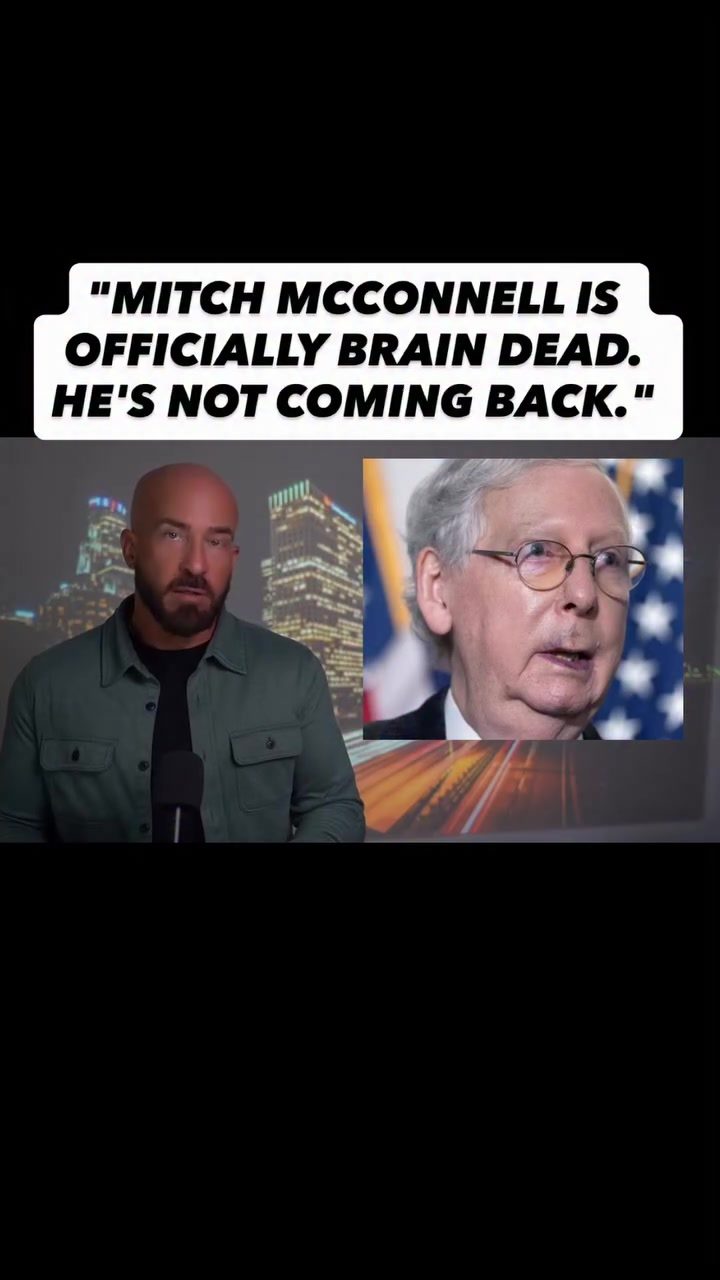
Mitch McConnell's Health: Separating Fact from Fiction
Mitch McConnell's health has become a hot topic, with claims that the Senate Minority Leader is "officially brain dead" and "not coming back." These statements, attributed to political commentator Laura Loomer, have garnered significant attention and sparked a wave of speculation. Let's delve into the details surrounding this statement to understand the context and implications.
Why This Matters
McConnell, a prominent figure in American politics, has a long and influential career. Any significant health issues or claims about his well-being can have far-reaching consequences, both within the political sphere and for the public's perception of his leadership. Understanding the veracity of such claims is crucial for maintaining an informed perspective on the current political landscape.
The Claim and Its Origins
The claim that McConnell is "officially brain dead" was posted by Laura Loomer on X (formerly Twitter) on July 6, 2026. Loomer cited a "high-level source close to the White House" as her information source. This has led to a flurry of reactions and counter-reactions across various media platforms.
Examining the Source
The reliability of the claim hinges on the credibility of the source. Loomer's statement attributes the information to an unnamed "high-level source close to the White House." While such a source would theoretically have access to sensitive information about McConnell's health, anonymity raises questions about verification and trustworthiness. Such sources are often used to disseminate political messages, but their reliability can vary widely.
Reactions and Counter-Statements
The claim has sparked a mix of reactions, ranging from outrage to skepticism. Some commentators have questioned the validity of the claim, citing McConnell's continued public appearances and political activities. Others have expressed concern over the potential implications for the political landscape if the claim were true. It is essential to note that no official statement from McConnell's office or a verifiable medical source has confirmed the claim.
The Role of Social Media in Political Discourse
Social media platforms have become powerful tools for spreading information quickly. However, they also pose significant challenges, particularly regarding the dissemination of unverified information. Claims about public figures, especially those in powerful positions, can spread rapidly and have lasting effects, whether true or false.
The Impact on Public Perception
When claims about a high-profile political figure, such as McConnell, surface, they can significantly influence public perception and trust. Even if the claims are later debunked, the initial impact can linger. This dynamic underscores the importance of critical thinking and fact-checking in the digital age. The public must rely on credible, verifiable sources to separate fact from fiction.
Managing Misinformation
Elected officials and political figures must be prepared to address misinformation swiftly and transparently. Providing clear, accurate information can help mitigate the spread of false claims and maintain public trust. For the public, adopting a cautious approach to unverified information and relying on reputable sources is crucial.
Practical Tips for Navigating Political Rumors
When encountering claims about political figures, particularly those related to health or significant personal issues, it's essential to follow these guidelines:
Verify the Source
Always check the credibility of the source. Reputable news outlets and official statements from the subject's office are generally more reliable than anonymous sources or social media posts.
Look for Official Statements
Official statements from the individual or their representatives can provide clarity and verification. Waiting for an official response can help avoid spreading misinformation.
Consider the Context
Understand the context in which the claim is made. Political motivations, timing, and the source's track record can provide valuable insights into the claim's credibility.
Important Takeaways
- Caution with Anonymous Sources: Claims attributed to unnamed sources should be approached with caution. Seek verification from credible sources before accepting such information as fact.
- Reliability of Social Media: While social media is a powerful tool, it can also disseminate misinformation quickly. Be mindful of the source and context of information shared on these platforms.
- Importance of Official Statements: Official statements and credible news reports are crucial for verifying claims about public figures.
Conclusion
The claim that Mitch McConnell is "officially brain dead" has sparked a wave of reactions and raised questions about the veracity of political rumors. While these claims can be impactful, critical thinking and fact-checking are essential for maintaining an informed perspective. As the public continues to navigate the digital landscape, verifying sources and relying on credible information will remain crucial in separating fact from fiction.
Watch the Reel
Questions readers ask
Is there any official confirmation of Mitch McConnell's health status?
As of now, there is no official statement from Mitch McConnell or his representatives confirming the claims made by Laura Loomer. Official statements typically come from the individual or their authorized spokespeople.
What does Laura Loomer claim about Mitch McConnell's health?
Laura Loomer, a political commentator, stated that Mitch McConnell is 'brain dead' and 'not coming back.' She cited an anonymous 'high-level source close to the White House' for this information, which adds to the speculative nature of the claim.
Why has Laura Loomer's tweet caused so much controversy?
Loomer's statement has sparked controversy due to its severity and the lack of verifiable sources. As a prominent political figure, any rumors about McConnell's health can significantly impact political dynamics and public perception. The controversy is fueled by the potential influence on political decisions and the credibility of the source cited.
What steps should be taken to verify political claims about high-profile individuals?
When verifying claims about high-profile individuals, it is essential to look for official statements, reliable sources, and corroborating evidence. Cross-referencing information from multiple credible outlets and waiting for official confirmations can help separate factual information from speculation.
How might rumors about Mitch McConnell's health affect political dynamics?
Rumors about McConnell's health can have significant political implications, potentially altering the balance of power in the Senate. His leadership role as the Senate Minority Leader means any perceived weakness or absence could reshape political strategies and alliances, influencing crucial legislation and political decisions.
What is the significance of an anonymous source in political claims?
Anonymous sources can add intrigue and urgency to political claims, but they also introduce uncertainty and potential misinformation. Claims backed by anonymous sources should be approached with caution, and efforts should be made to verify the information through reliable and transparent means.
Who is responsible for addressing and clarifying health rumors about political figures?
It is the responsibility of the political figure in question or their representatives to address and clarify health rumors. In the case of Mitch McConnell, statements from his spokesperson or office would carry the most weight in dispelling or confirming such rumors.
Recent articles
Fresh deep dives from the latest Reels we unpacked.




Comments
Be the first to comment.