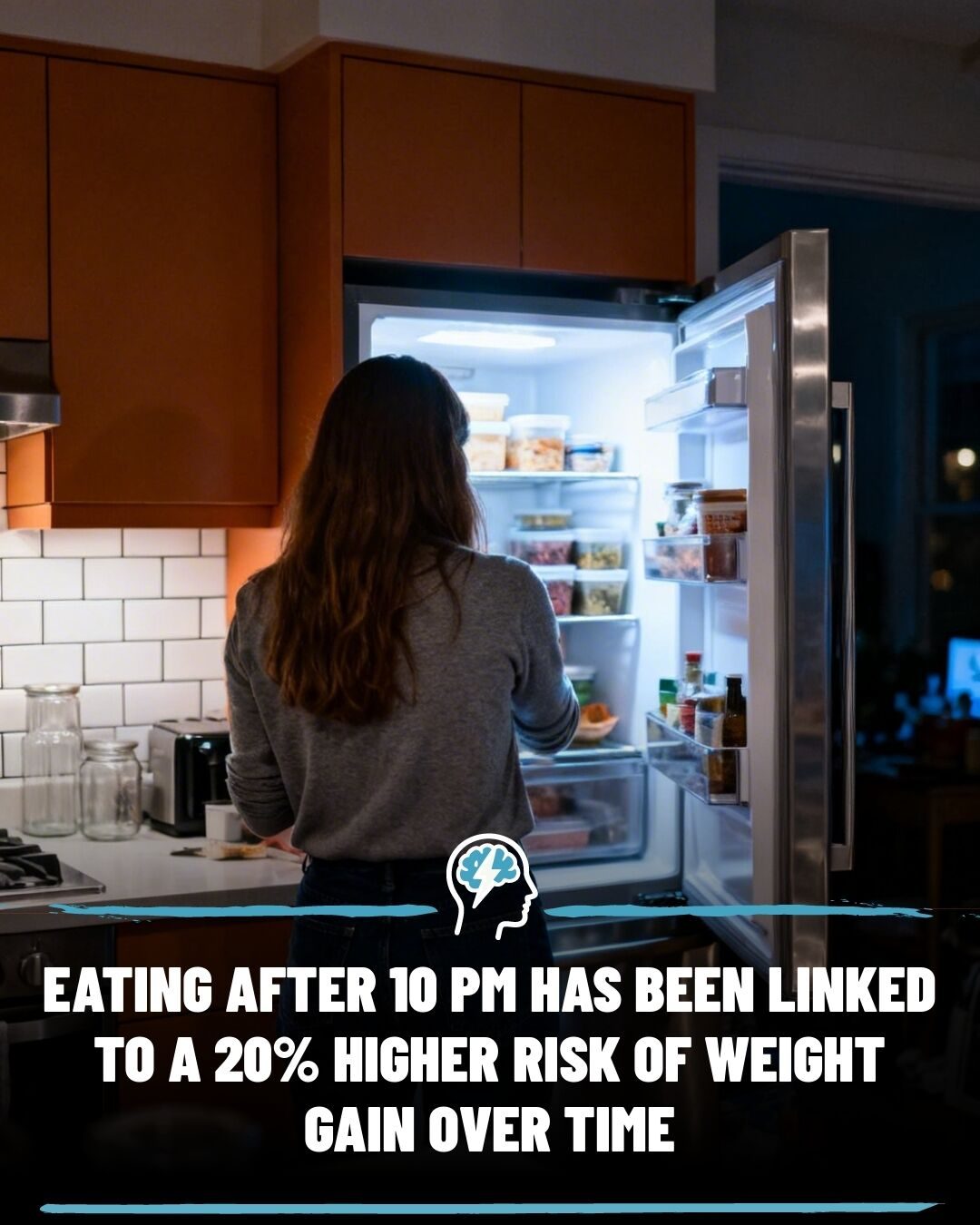
Late-Night Eating and Weight Gain
Late-night eating has long been a topic of interest, especially for those looking to manage their weight effectively. Recent research suggests that consuming food late at night can have a more significant impact on your body than simply adding extra calories. This impact is tied to your internal clock, or circadian rhythm, which regulates various physiological processes, including metabolism and hormone release.
Why This Matters
Understanding the effects of late-night eating is crucial for anyone looking to optimize their health and weight management strategies. While total calorie intake remains a critical factor, the timing of meals can also influence how your body processes food and stores energy. This is particularly relevant for those who already follow a balanced diet and regular exercise routine but are still struggling to see the desired results. By taking a closer look at when you eat, you might uncover new insights to enhance your overall well-being.
The Science Behind Late-Night Eating
Circadian Rhythm and Metabolism
Your body's metabolism isn't constant throughout the day. It naturally peaks during daylight hours and slows down in the evening. This fluctuation is due to your circadian rhythm, which influences not only your sleep-wake cycle but also your metabolic processes. When you consume food late at night, your body is more likely to store those nutrients as fat rather than using them for immediate energy. This is because your metabolism is in a slower phase, making it harder to burn off the calories you consume.
Hormonal Changes
Late-night eating can also disrupt the balance of key hormones that regulate hunger and satiety. Specifically, late meals can suppress leptin, the hormone responsible for signaling fullness, while elevating ghrelin, the hormone that stimulates hunger. This hormonal imbalance can lead to increased appetite the following day, potentially causing a cycle of overeating and weight gain.
Research published in Cell Metabolism in 2023 found that eating just 4 hours later than usual significantly altered hunger hormones, reduced calorie burning after meals, and triggered changes in fat tissue that promote storage rather than burning. This study underscores the importance of meal timing in weight management and overall health.
The Link to Sleep
The effects of late-night eating are even more pronounced in individuals who go to bed earlier. This is likely because the combination of late meals and early bedtimes disrupts the body's natural circadian rhythm more dramatically. Poor sleep quality and altered sleep schedules can exacerbate the issues caused by late-night eating, leading to even greater chances of weight gain.
Practical Tips for Managing Late-Night Eating
Adjust Your Meal Times
If you frequently eat late at night, consider shifting your meal times to earlier in the day. Try to have your last meal at least a few hours before bedtime. This can help your body process the food more efficiently and reduce the likelihood of storing it as fat.
Plan Your Meals
Meal planning can help you avoid late-night snacking. Prepare balanced meals and snacks throughout the day to ensure you're not overly hungry when bedtime approaches. Include a variety of nutrients in your meals to keep you satisfied and energetic.
Create a Bedtime Routine
Establishing a consistent bedtime routine can improve your sleep quality and reduce the urge to snack late at night. Include relaxing activities such as reading, taking a warm bath, or practicing mindfulness before bed. Avoid screens, which can interfere with your body's production of melatonin, a hormone that regulates sleep.
Stay Hydrated
Sometimes, the body confuses thirst for hunger. Make sure you're drinking enough water throughout the day to avoid late-night snacking due to dehydration.
Important Takeaways
Late-night eating can have a more significant impact on your body than simply adding extra calories. The timing of your meals can influence how your body processes food and stores energy. Key takeaways include:
- Your metabolism naturally peaks during the day and slows down in the evening.
- Late-night eating can disrupt hormonal balance, leading to increased hunger and weight gain.
- Poor sleep quality and altered sleep schedules can exacerbate the issues caused by late-night eating.
- Adjusting meal times, planning your meals, creating a bedtime routine, and staying hydrated can help manage late-night eating.
Conclusion
Late-night eating is a common habit that can have a significant impact on your weight and overall health. By understanding the science behind late-night eating and making informed adjustments to your meal times and sleep schedule, you can take proactive steps to manage your weight more effectively. While this isn't about demonizing late dinners, being mindful of your eating patterns relative to your sleep schedule could offer valuable insights for improving your health.
Watch the Reel
Questions readers ask
Does eating late at night always cause weight gain?
Not necessarily. Weight gain depends on multiple factors, including overall calorie intake and individual metabolism. However, late-night eating can disrupt your body's internal clock, which may lead to increased fat storage and heightened hunger, making weight management more challenging.
How does late-night eating affect my body's internal clock?
Late-night eating can disrupt your circadian rhythm, which regulates various physiological processes, including metabolism and hormone release. This disruption can lead to increased fat storage and heightened hunger, impacting your body's ability to manage weight effectively.
Are certain foods better to eat late at night?
There isn't a specific food that is best to eat late at night. The key is to avoid large, high-calorie meals, especially those high in sugar and processed fats, as they can disrupt your sleep and metabolism. Opting for a small, balanced snack if you must eat before bed is a better approach. The impact of bedtime eating is more about quantity and timing, rather than specific food choices.
Can I compensate for late-night eating by exercising more?
While exercise is crucial for overall health and weight management, it may not fully offset the effects of late-night eating. Late-night eating can disrupt your body's internal clock, leading to increased fat storage and heightened hunger, which can make it more difficult to manage weight, even with regular exercise.
Does late-night eating affect sleep quality?
Yes, late-night eating can affect sleep quality. Consuming large meals or high-calorie foods before bed can disrupt your sleep, potentially leading to a cycle of sleep deprivation and increased appetite. This cycle can make it more difficult to manage your weight and overall health.
How can I manage late-night food cravings?
Manage late-night food cravings by maintaining a balanced diet throughout the day, staying hydrated, and creating a consistent sleep schedule. If you experience late-night cravings, try to address them with a small, balanced snack rather than a large meal, and avoid high-sugar or high-fat foods. Regular exercise can also help reduce cravings, as it can promote healthier eating habits and improve sleep quality.
What are the benefits of avoiding late-night eating?
Avoiding late-night eating can help regulate your body's internal clock, which can improve metabolism and hormone regulation. This can lead to better sleep quality, reduced fat storage, and more effective weight management, as your body will be better equipped to process food and store energy efficiently.
Related deep dives
Similar reads based on topic and creator.




Recent articles
Fresh deep dives from the latest Reels we unpacked.




Comments
Be the first to comment.