Autonomous Pest Control Robots
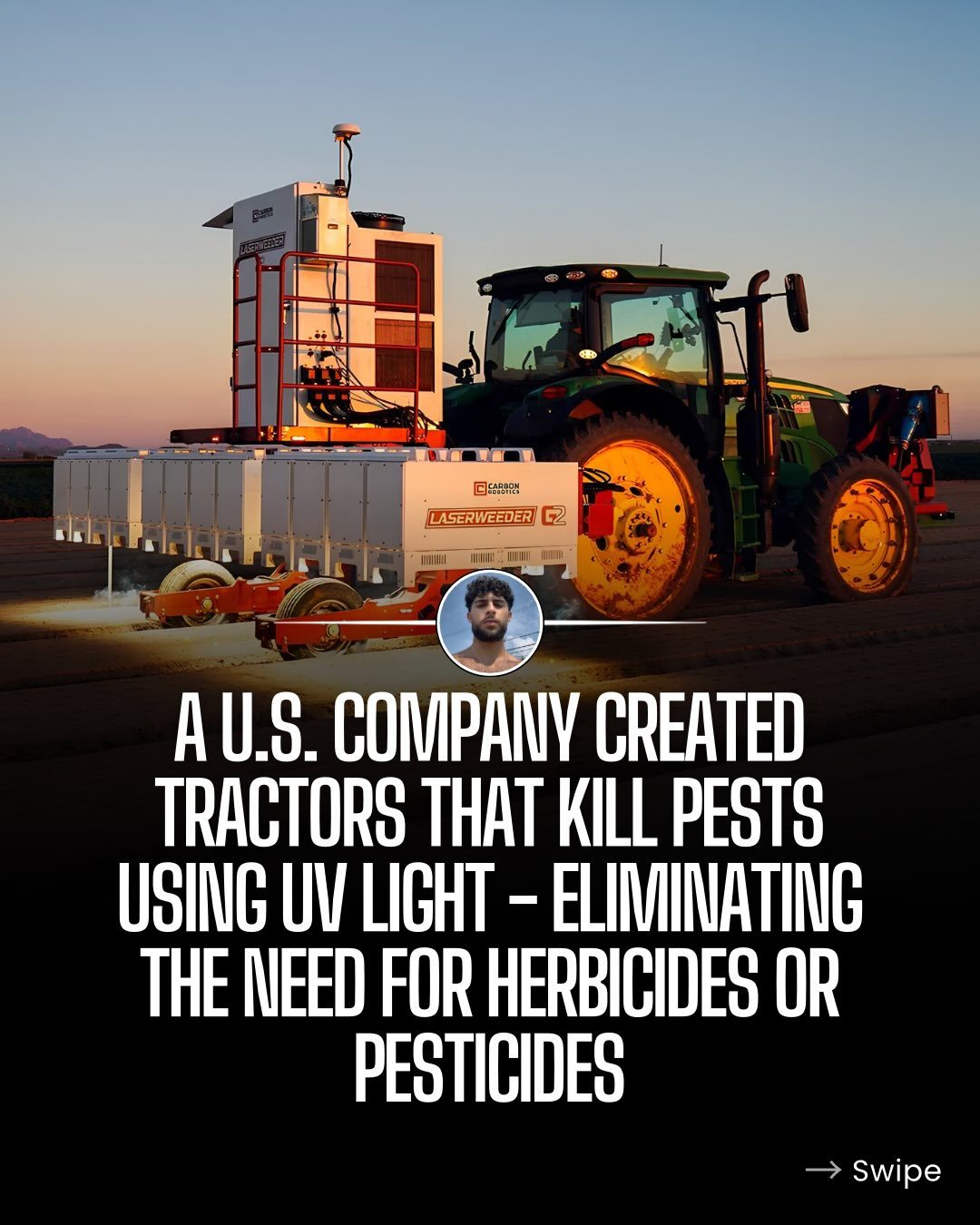
American farming is on the cusp of a technological revolution, with the introduction of autonomous pest control robots. Pioneering this shift is TRIC Robotics, founded by CEO Adam Stager, which has developed tractor-scale robots that use ultraviolet (UV) light to eliminate crop pests. These robots offer an innovative alternative to the annual billion pounds of chemical pesticides used in the U.S. every year, targeting pests and diseases without leaving harmful chemical residues.
Context / Why this matters
The agricultural industry has long relied on chemical agents to control pests and diseases. However, this reliance comes with significant environmental and health concerns. Pesticides can contaminate soil and water, harm beneficial insects, and pose health risks to farmworkers and consumers. Additionally, many pests have developed resistance to common pesticides, making them less effective over time. The introduction of autonomous pest control robots, like those developed by TRIC Robotics, represents a significant step towards more sustainable and effective agricultural practices.
Main discussion
The technology behind LaserWeeder
At the heart of this innovation is the LaserWeeder robot, a tractor-scale machine equipped with UV light technology. Unlike traditional methods that use herbicides or pesticides, LaserWeeder targets and destroys pests and diseases using UV light. This approach eliminates the need for harmful chemicals, reducing environmental impact and health risks.
The LaserWeeder robot is designed to navigate fields autonomously, particularly during the night. This nighttime operation leverages the natural behavior of many pests, which are more active under the cover of darkness. By operating overnight, these robots can effectively target and destroy pests without disrupting the daytime work of farmworkers.
Autonomous navigation
One of the key advantages of the LaserWeeder robot is its autonomous navigation capabilities. Equipped with advanced sensors and GPS technology, these robots can traverse fields without human intervention. This autonomy not only increases efficiency but also allows farmers to utilize the previously underutilized night shift, enhancing overall productivity.
Starting with strawberry fields
The LaserWeeder robot first made its mark in commercial strawberry fields. Strawberries are particularly susceptible to pests and diseases, making them an ideal crop for testing the effectiveness of this new technology. The success of LaserWeeder in strawberry fields has paved the way for its expansion into other crops, demonstrating its versatility and effectiveness across different agricultural settings.
Benefits for farmers
Farmers are welcoming the introduction of autonomous pest control robots for several reasons. Firstly, the technology offers a effective solution to the growing problem of pesticide-resistant pests. Secondly, it reduces the environmental and health impacts associated with chemical pesticide use. Lastly, the autonomous operation of these robots can enhance workforce productivity by unlocking the night shift, allowing farmers to maximize their resources.
Environmental and health impacts
The reduction in chemical pesticide use has significant environmental and health benefits. By eliminating the need for herbicides and pesticides, LaserWeeder robots help to preserve soil and water quality, protect beneficial insects, and reduce health risks for farmworkers and consumers. This shift towards more sustainable farming practices is crucial for the long-term health of both the environment and the agricultural industry.
Potential concerns
While the benefits of autonomous pest control robots are clear, there are also potential concerns to consider. Automation in agriculture often sparks debates about job losses. However, TRIC Robotics argues that this technology actually enhances the workforce by unlocking a highly productive, previously underutilized night shift. By freeing up daytime hours for other tasks, farmers can optimize their operations and improve overall productivity.
Practical tips
Transitioning to autonomous pest control
For farmers considering the transition to autonomous pest control, there are several practical steps to take. Firstly, assess the specific needs and challenges of your crops. Different crops may require different approaches to pest control, and it's important to select a technology that aligns with your farming practices. Secondly, ensure that your fields are equipped with the necessary infrastructure to support autonomous robots, such as GPS and sensor technology. Lastly, consider partnering with a company like TRIC Robotics to gain access to expert support and resources.
Integrating autonomous robots into existing operations
Integrating autonomous robots into existing farming operations requires careful planning and coordination. Begin by identifying the areas where autonomous robots can have the most significant impact, such as fields with high pest pressure or crops with specific pest control needs. Gradually introduce the robots into these areas, monitoring their performance and making adjustments as needed. Collaborate with your team to ensure that everyone understands the role of the robots and how they fit into the overall farming operation.
Monitoring and maintaining the technology
Regular monitoring and maintenance are essential for ensuring the long-term success of autonomous pest control robots. These robots rely on advanced sensors and GPS technology to navigate fields and target pests effectively. Regular checks and updates can help to maintain their performance and accuracy. Additionally, collaborating with the technology provider can ensure that you have access to the latest software updates and technical support.
Important takeaways
Autonomous pest control robots, such as those developed by TRIC Robotics, offer a groundbreaking solution to the challenges of traditional pesticide use. By leveraging UV light technology, these robots can effectively target and destroy pests and diseases without the need for harmful chemicals. This shift towards more sustainable farming practices not only benefits the environment but also enhances workforce productivity and addresses the growing problem of pesticide-resistant pests.
Conclusion
The introduction of autonomous pest control robots, like the LaserWeeder, marks a significant turning point in American farming. By targeting pests and diseases with UV light, these robots offer a more sustainable and effective alternative to traditional chemical pesticides. The success of this technology in commercial strawberry fields, along with its expanding use in other crops, demonstrates its potential to revolutionize agricultural practices. As the industry continues to evolve, the adoption of autonomous pest control robots could play a crucial role in creating a more sustainable and productive future for farming.
Watch the Reel
Questions readers ask
How do UV light robots contribute to sustainable agriculture?
UV light robots, like those developed by TRIC Robotics, promote sustainability by reducing the need for chemical pesticides. They target pests and diseases without leaving harmful chemical residues, thereby minimizing environmental impact and promoting a healthier ecosystem.
What advantages do autonomous robots have in pest control?
Autonomous pest control robots operate at night, reducing disruption to day-time farming activities. They provide precise, targeted treatment, ensuring that pesticides are only applied where needed, minimizing waste and environmental impact.
How does TRIC Robotics’ approach differ from traditional pest management?
TRIC Robotics employs UV light instead of chemical pesticides. This method is safer for humans and the environment, as it does not lead to contamination of soil and water, or harm beneficial insects.
What are the benefits of nighttime pest control by robots?
Nighttime pest control offers several benefits, including reduced disruption to day-time farming activities and the ability to target nocturnal pests more effectively. Additionally, it allows for more efficient use of farming resources, as robotic systems can operate continuously without the need for human intervention.
What impact can UV light have on pest control in agriculture?
UV light has proven to be an effective method for pest control in agriculture, as it can disrupt the DNA of pests, preventing them from reproducing and ultimately leading to the elimination of pest populations in the field.
What role do autonomous farming robots play in the future of American agriculture?
Autonomous farming robots, such as those developed by TRIC Robotics, are poised to play a significant role in the future of American agriculture. By providing chemical-free pest control and enhancing efficiency, these robots can help farmers reduce costs, minimize environmental impact, and promote sustainable farming practices.
Related deep dives
Similar reads based on topic and creator.


Recent articles
Fresh deep dives from the latest Reels we unpacked.



Comments
Be the first to comment.