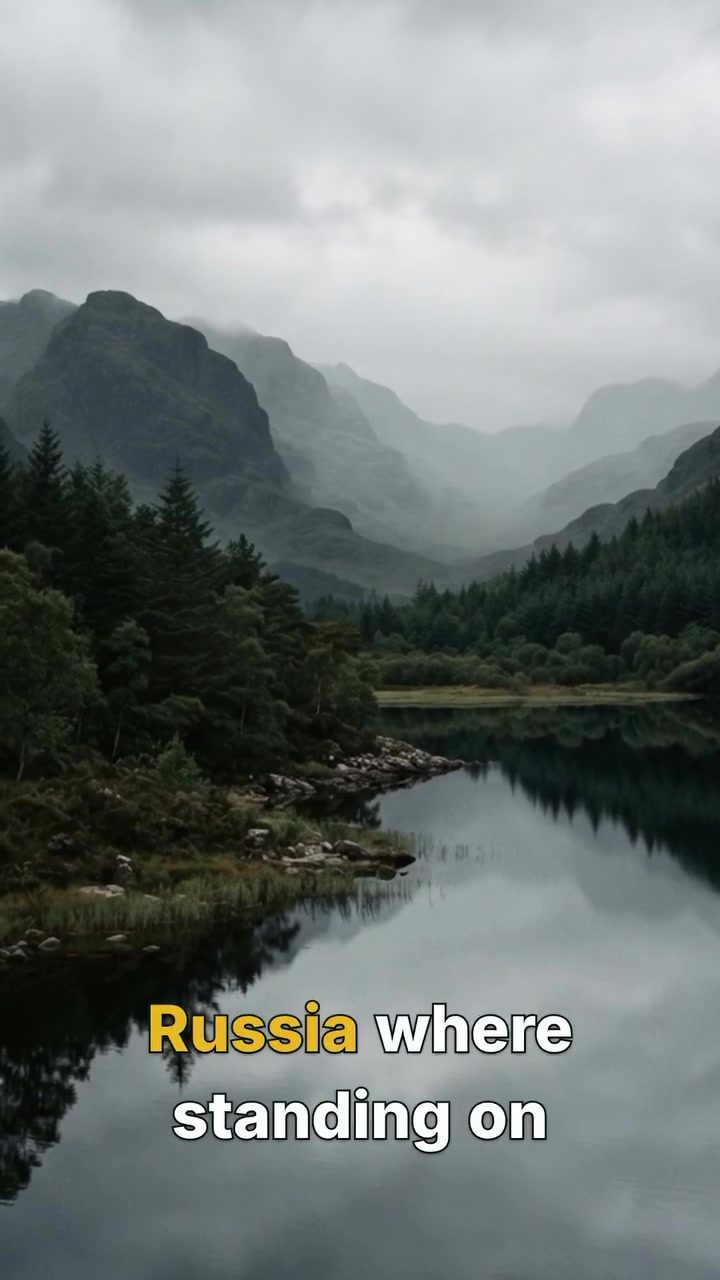
Lake Karachai: A Soviet Nuclear Legacy
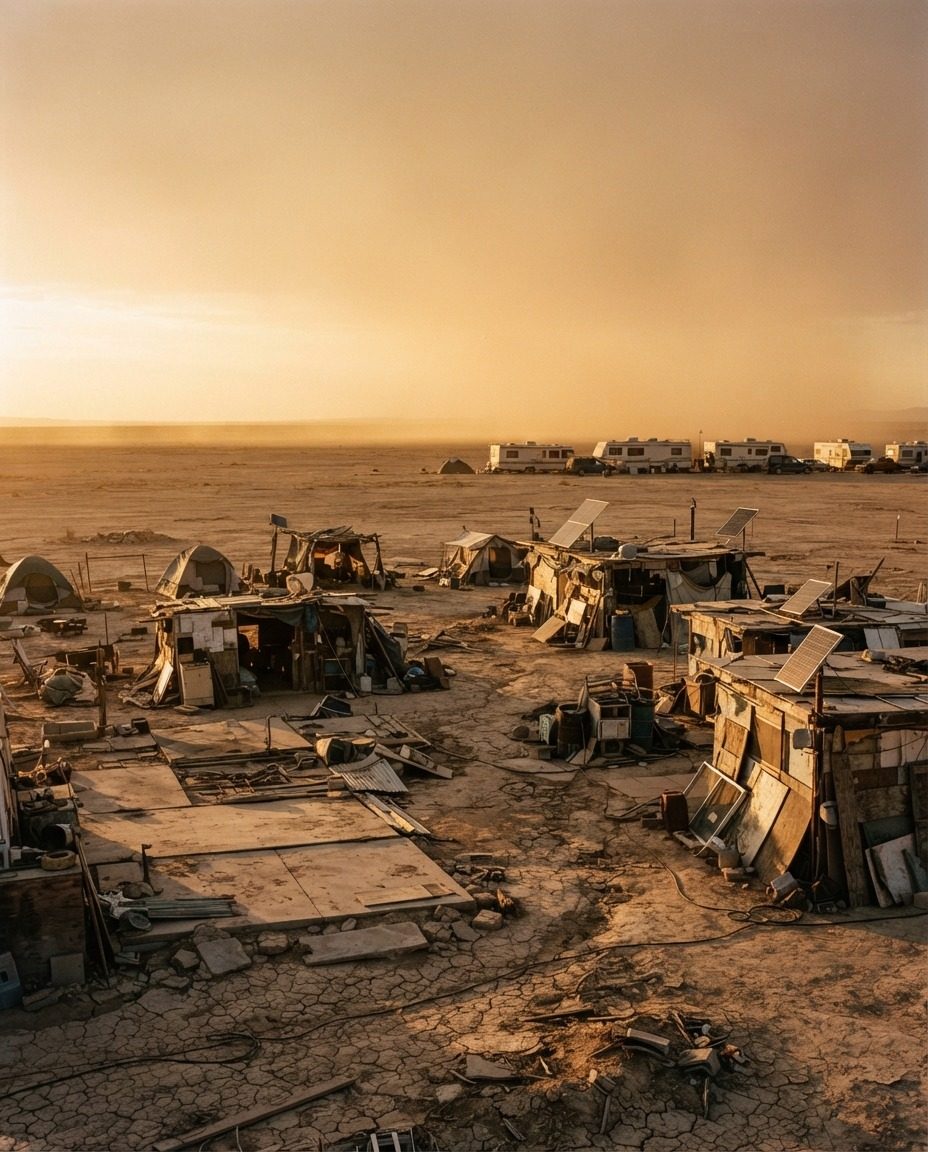
Rustic, placid beauty masks quiet agony in a small lake in Russia. Calculations by researchers in the 1990s showed that, in Lake Karachai in the Ural Mountains, radioactive radiation was strong enough to be lethal after about an hour's exposure. The Soviet nuclear weapons facility that was once located near the lake is to blame for this. For decades, industrial waste dumped straight into the lake. Researchers have found that the lake still holds over 40 petabecquerels of radiation. The water looks calm, but standing there wouldn't be a good idea. "The history underneath does not." The phrase served as a somber reminder of the past. Upon reaching the lake, one cannot help but think of the loss of life and the harm that has been done to the environment.
Nuclear History and Environmental Impact
The Soviets used Lake Karachai as a place to dump nuclear waste, which caused serious environmental damage. By the 1990s, the radiation levels had reached dangerous levels. This lake has been a focal point for many environmental analyses. Researchers have found that the lake retains more than 120 million curies of radiation, making it one of the most radioactive places on the planet. It's no wonder that radiation levels could be lethal within an hour. The Soviet Union took a significant risk by leaving nuclear waste to contaminate nearby areas of citywide importance. Nuclear waste from the Soviet Union still poses a significant threat to human life. There are still high levels of radionuclides in the soil and water surrounding the lake. This puts the people and animals who live nearby at risk.
Mitigation Efforts and Uncertain Future
Russia decided to seal a huge portion of the lake with rock and concrete. This seems to have slowed the extent of the contamination. Using large amounts of concrete and stone, Russia covered most of the lake to prevent further environmental damage. This was an attempt to limit the impact that the radiation would have caused. Their approach has often been criticized, but it indicates an attempt to remedy the lasting legacy of nuclear waste. Despite these efforts, contamination has spread. Despite the mitigation efforts, contamination has spread to a small river that connects the lake to the larger river system. This has drawn attention to the need for more stringent regulation. The scale of the risk poses an ecological threat to the entire region. The greatest concern is the slow leakage of radionuclides into the environment.
Remediation Challenges
Preliminary examinations show that radionuclides have slowly leaked into surrounding ecosystems over the years. Local flora and fauna depend on a healthy environment to thrive. This highlights the need for urgent action, although Russian officials have made significant progress on lake remediation. Current estimates suggest that the sealed lake will remain radioactive for hundreds of years. The lake will probably always be highly radioactive, even if measures are taken to stop the leakage. The current state of the lake stands as a permanent reminder of Soviet nuclear activities. The risks associated with nuclear waste require immediate attention. Advocates call for further remediation, arguing that the current incomplete remedy is a Band-Aid on an open wound. The rationale behind this is that, if there is to be any hope for the long-term viability of Lake Karachai, and the region as a whole, additional environmental interventions are required.
Watch the Reel
Related deep dives
Similar reads based on topic and creator.


Recent articles
Fresh deep dives from the latest Reels we unpacked.

Comments
Be the first to comment.