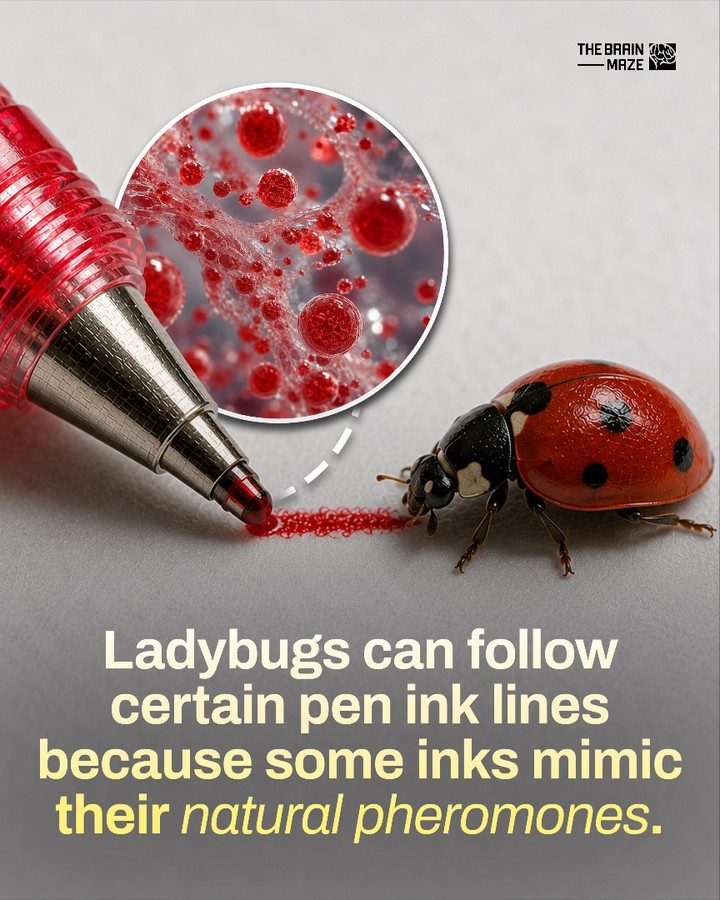
Ladybugs and Pen Ink: An Unusual Intersection
Ladybugs, those charming little insects often spotted in gardens, have an intriguing behavior that has puzzled many. It has been observed that ladybugs sometimes appear to follow lines drawn with certain pens, a phenomenon that can be attributed to the unique properties of some pen inks.
Context / Why This Matters
This phenomenon is not just a curious quirk but a fascinating example of how chemical signals can influence insect behavior. Understanding this interaction can provide insights into the complex world of insect communication and sensory systems.
Ladybugs are known for their beneficial role in gardens, feeding on pests like aphids. Their behavior around pen ink lines offers a glimpse into how these insects navigate their environment, which can be valuable for pest management strategies and biological research.
Main Discussion
The Role of Pheromones in Insect Communication
Pheromones are chemical signals that insects use to communicate with each other. These compounds can convey a range of information, from mating cues to territorial markers. Ladybugs, like many other insects, rely on pheromones to navigate their world and interact with their environment.
The Chemical Composition of Pen Ink
Certain pen inks contain aromatic chemicals that closely resemble the compounds used in insect communication. These chemicals can stimulate the sensory system of ladybugs, leading them to investigate or follow the lines drawn with these inks. This is a chemical response rather than a visual recognition of the line itself.
Why Ladybugs Follow Ink Lines
The phenomenon of ladybugs following ink lines can be attributed to the presence of chemical compounds in the ink that mimic natural pheromones. When a pen draws a line, the ink releases these aromatic chemicals into the air. Ladybugs, equipped with sensitive sensory receptors, detect these chemicals and are drawn to the source. This behavior is a result of the ladybug's instinctive response to what it perceives as a natural pheromone trail, leading it to follow the line.
Practical Tips
If you are observing or studying ladybugs and want to understand their behavior more deeply, you can experiment with different types of pens and inks to see which ones attract the ladybugs. This can be a fun and educational activity for both adults and children, offering a hands-on way to learn about insect behavior and chemical communication.
When conducting such experiments, it's essential to use non-toxic inks to ensure the safety of the ladybugs. Additionally, observe the ladybugs from a safe distance to avoid disturbing their natural behavior.
Important Takeaways
Ladybugs are fascinating insects, and their behavior around pen ink lines is a perfect example of how complex and intriguing their sensory systems can be. Understanding this interaction provides valuable insights into insect communication and sensory perception.
This phenomenon is a great example of how everyday observations can lead to deeper scientific understanding. By paying attention to these small interactions, we can uncover the intricate workings of the natural world.
Conclusion
The relationship between ladybugs and pen ink is a captivating example of how chemical signals can influence insect behavior. This phenomenon highlights the complexity of insect communication and sensory systems, offering a glimpse into the intricate world of these tiny creatures. Whether you are a scientist, a gardener, or simply curious about the natural world, understanding this behavior can enrich your appreciation of these remarkable insects.
Watch the Reel
Questions readers ask
Why do ladybugs follow lines drawn with certain pen inks?
Ladybugs are drawn to lines created with specific pen inks because these inks contain chemicals that mimic the pheromones ladybugs use for communication. This mimicry triggers the ladybugs' natural investigatory behavior, leading them to follow the lines as if they were tracking a chemical trail.
What types of pens are likely to attract ladybugs?
The attraction of ladybugs is particularly observed with pens that contain certain chemicals, such as those found in some permanent markers or felt-tip pens. These chemicals are similar to ladybugs' natural pheromones, making the lines they draw irresistible.
Can this behavior be used to control ladybugs' movement in a garden?
While it's an interesting idea, using pen ink lines to control ladybugs' movement in a garden is not practical. Ladybugs are beneficial for pest control, and manipulating their movement with ink lines would be ineffective and impractical given the complexity of their behavior and the size of gardens.
How do ladybugs typically communicate using pheromones?
Ladybugs use a variety of pheromones for different purposes, including finding mates, marking territories, and signaling the presence of food. These chemical signals are crucial for their social structure and survival, making them highly attuned to detecting and following pheromone trails.
Are there any other insects that exhibit similar behaviors to ladybugs?
Yes, other insects also respond to chemical signals in their environment. For example, ants and bees follow pheromone trails to food sources or their colonies. However, the specific behavior of following pen ink lines is unique to ladybugs and a few other closely related species.
Why don't ladybugs follow all types of pen lines?
Ladybugs only follow lines drawn with specific pen inks because these inks contain the unique chemicals that mimic their pheromones. Other types of pen inks, such as those with different chemical compositions, do not contain these chemical mimics, so they don't attract the ladybugs in the same way.
Related deep dives
Similar reads based on topic and creator.




Recent articles
Fresh deep dives from the latest Reels we unpacked.




Comments
Be the first to comment.