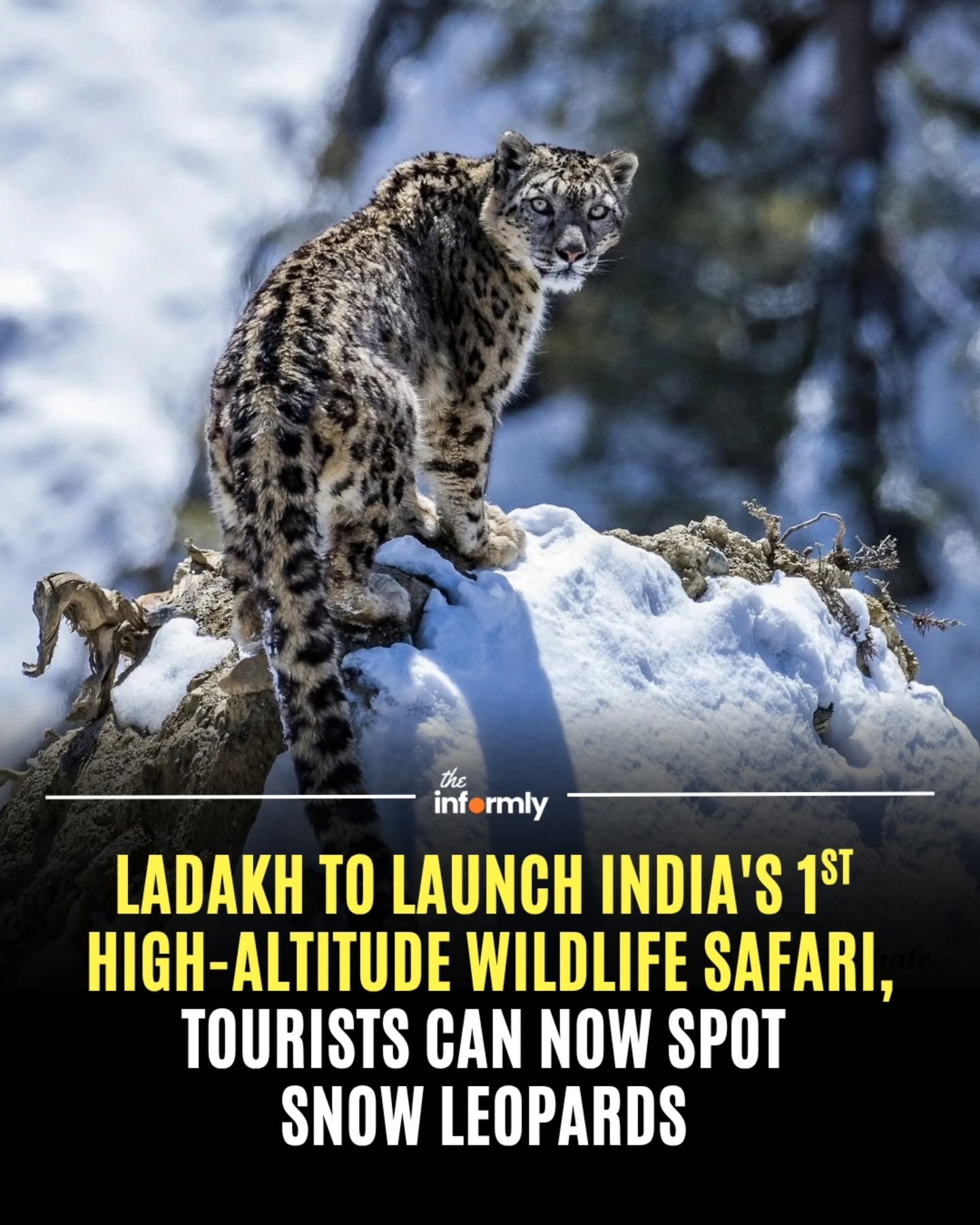
Snow Leopard Safari in Ladakh
Ladakh is gearing up to launch India's first high-altitude wildlife safari, offering tourists an unprecedented opportunity to glimpse the elusive snow leopard, affectionately known as the "Ghost of the Mountains." This innovative initiative, endorsed by the Ladakh administration under the newly established Snow Leopard & High-Altitude Nature (SHAN) Conservation Society, is designed to foster sustainable tourism while preserving the delicate Himalayan ecosystem.
Why This Matters
The high-altitude wildlife safari in Ladakh represents a significant milestone in conservation and tourism. Unlike traditional safaris held in forested areas, this experience will navigate some of Ladakh's most rugged and elevated landscapes, providing a unique adventure for wildlife enthusiasts, photographers, and adventure seekers. The initiative is not just about spotting snow leopards; it also aims to create new economic opportunities for local communities while promoting eco-tourism.
Main Discussion
The Unique Experience
The safari will take visitors through designated trails in some of Ladakh's most scenic and wildlife-rich areas, including Hemis National Park, Changthang Wildlife Sanctuary, and Karakoram Wildlife Sanctuary. Additional regions like Nubra, Drass, and Sham will also be part of the guided jeep safaris. These trails are specifically chosen for their popularity among snow leopard sightings and birdwatching opportunities.
Tourists can expect to see a variety of wildlife, not just the elusive snow leopard. Other species that may be spotted include Himalayan ibex, bharal (blue sheep), Tibetan wolves, marmots, and several rare bird species. This diverse wildlife encounter makes the safari a must-do for anyone passionate about nature and wildlife.
Sustainable Tourism and Conservation
At the heart of the safari initiative is a commitment to conservation and sustainable tourism. Authorities have designed the safari to curb illegal off-roading, which has been a significant issue in recent years. By restricting travel to designated trails and providing trained local guides, the safari aims to minimize environmental impact.
The project is also focused on creating livelihood opportunities for local communities. Young residents will be trained as wildlife guides, and women artisans will be supported through tourism-linked initiatives. Additionally, plastic-free campaigns will encourage responsible travel, ensuring that the safari contributes positively to the local economy and environment.
Community Involvement
The initiative places a strong emphasis on community involvement. By training local residents as guides and supporting artisans, the safari is creating a sense of ownership and responsibility among the local community. This inclusive approach is expected to make local communities equal partners in wildlife conservation, fostering a sense of pride and stewardship.
The plastic-free campaigns and other conservation efforts will not only benefit the wildlife but also improve the quality of life for the local communities. This holistic approach to tourism and conservation ensures that the benefits are widespread and sustainable.
The Snow Leopard: A Focus of Conservation
The snow leopard, known for its elusive nature and stunning grace, is a central focus of this safari. Often referred to as the "Ghost of the Mountains," the snow leopard is a symbol of the rugged beauty and untamed wilderness of the Himalayas. The safari aims to provide a rare opportunity to observe these magnificent creatures in their natural habitat, contributing to their long-term conservation.
Snow Leopard Conservation and Tourism
The Snow Leopard & High-Altitude Nature (SHAN) Conservation Society plays a crucial role in overseeing the initiative. The society's focus is on promoting sustainable tourism while ensuring the conservation of the snow leopard and its habitat. By combining tourism with conservation, the society aims to create a model that can be replicated in other high-altitude regions.
The high-altitude wildlife safari in Ladakh is a testament to the commitment of the Ladakh administration and the SHAN Conservation Society to balance tourism with conservation. The initiative not only provides a unique wildlife experience but also ensures that the fragile Himalayan ecosystem is protected for future generations.
Practical Tips for a Successful Safari
When planning a trip to Ladakh for the high-altitude wildlife safari, there are several practical tips to keep in mind:
Preparation and Gear
Prepare for the high altitude and rugged terrain by packing appropriate gear. This includes warm clothing, sturdy hiking boots, and a good pair of binoculars for wildlife spotting. Also, consider bringing a camera with a telephoto lens to capture the elusive snow leopard and other wildlife.
Health and Wellness
Due to the high altitude, it's essential to acclimatize properly. Allow your body time to adjust to the thin air, and stay hydrated by drinking plenty of water. Listen to your body and take breaks when needed.
Respect for Wildlife and Environment
Remember to respect the wildlife and environment. Follow the guidelines provided by your local guide, and avoid disturbing the animals. Keep a safe distance and minimize noise and movement to enhance your chances of spotting snow leopards and other wildlife.
Engage with Local Communities
Take the opportunity to engage with the local communities. Supporting local artisans and guides not only enriches your experience but also contributes to the local economy. Participate in plastic-free initiatives and other conservation efforts to ensure that your visit has a positive impact.
Important Takeaways
The high-altitude wildlife safari in Ladakh offers a unique and thrilling experience for wildlife enthusiasts and adventure seekers. It represents a new model for sustainable tourism and conservation, balancing the needs of visitors with the protection of the fragile Himalayan ecosystem. By supporting this initiative, tourists can contribute to the conservation of the snow leopard and other wildlife while enjoying an unforgettable adventure.
Conclusion
The launch of India's first high-altitude wildlife safari in Ladakh marks a significant step forward in both tourism and conservation. This innovative initiative not only offers a rare opportunity to spot the elusive snow leopard but also promotes sustainable tourism and community involvement. As you plan your adventure, remember to prepare well, respect the environment, and engage with the local communities to make the most of this extraordinary experience.
Watch the Reel
Questions readers ask
Where exactly is the high-altitude safari in Ladakh located and what makes it unique?
The safari is located in the high-altitude regions of the Himalayas in Ladakh. It is unique because it is India's first high-altitude wildlife safari, offering a chance to spot snow leopards in their natural habitat and exploring some of the most rugged and elevated landscapes in the region.
How does the Ladakh safari support wildlife conservation and local communities?
The safari is endorsed by the Ladakh administration under the Snow Leopard & High-Altitude Nature (SHAN) Conservation Society. It supports wildlife conservation by promoting sustainable tourism and preserving the delicate Himalayan ecosystem. Additionally, it supports local communities by involving them in the tourism activities, thus providing economic benefits.
What kind of experiences can I expect from the first high altitude safari in Ladakh?
You can expect a thrilling and unique adventure as you traverse the rugged Himalayan landscapes, providing a chance to spot the elusive snow leopards. The safari also offers opportunities for wildlife spotting and an immersive experience in Ladakh's high-altitude environments.
Are there any specific times of the year that are best for spotting snow leopards during the safari?
Snow leopards can be spotted throughout the year, but the best time for spotting them is during the winter months, from November to March, when they are more active and visible against the snowy landscapes.
What kind of accommodation and facilities are available for tourists during the safari?
Accommodation options include homestays, guesthouses, and camps, providing an authentic experience in the high-altitude regions. Facilities are basic but comfortable, with a focus on sustainability and minimal environmental impact.
Are there any age or fitness requirements for participating in the high-altitude safari in Ladakh?
While there are no strict age limits, the safari involves travel to high-altitude areas, which can be physically demanding. Participants should be in good health and able to tolerate high altitudes. It is recommended to consult a healthcare provider before booking, especially for those with pre-existing health conditions.
What should I pack for the Ladakh safari to ensure a comfortable and safe experience?
Pack warm clothing, including thermal wear, a windproof jacket, and insulated boots. Don't forget essentials like sunscreen, sunglasses, a hat, and a water bottle. It's also advisable to carry any necessary medications and a basic first-aid kit. Additionally, bring a good pair of binoculars for wildlife spotting and a camera to capture the memories.
Related deep dives
Similar reads based on topic and creator.




Recent articles
Fresh deep dives from the latest Reels we unpacked.




Comments
Be the first to comment.