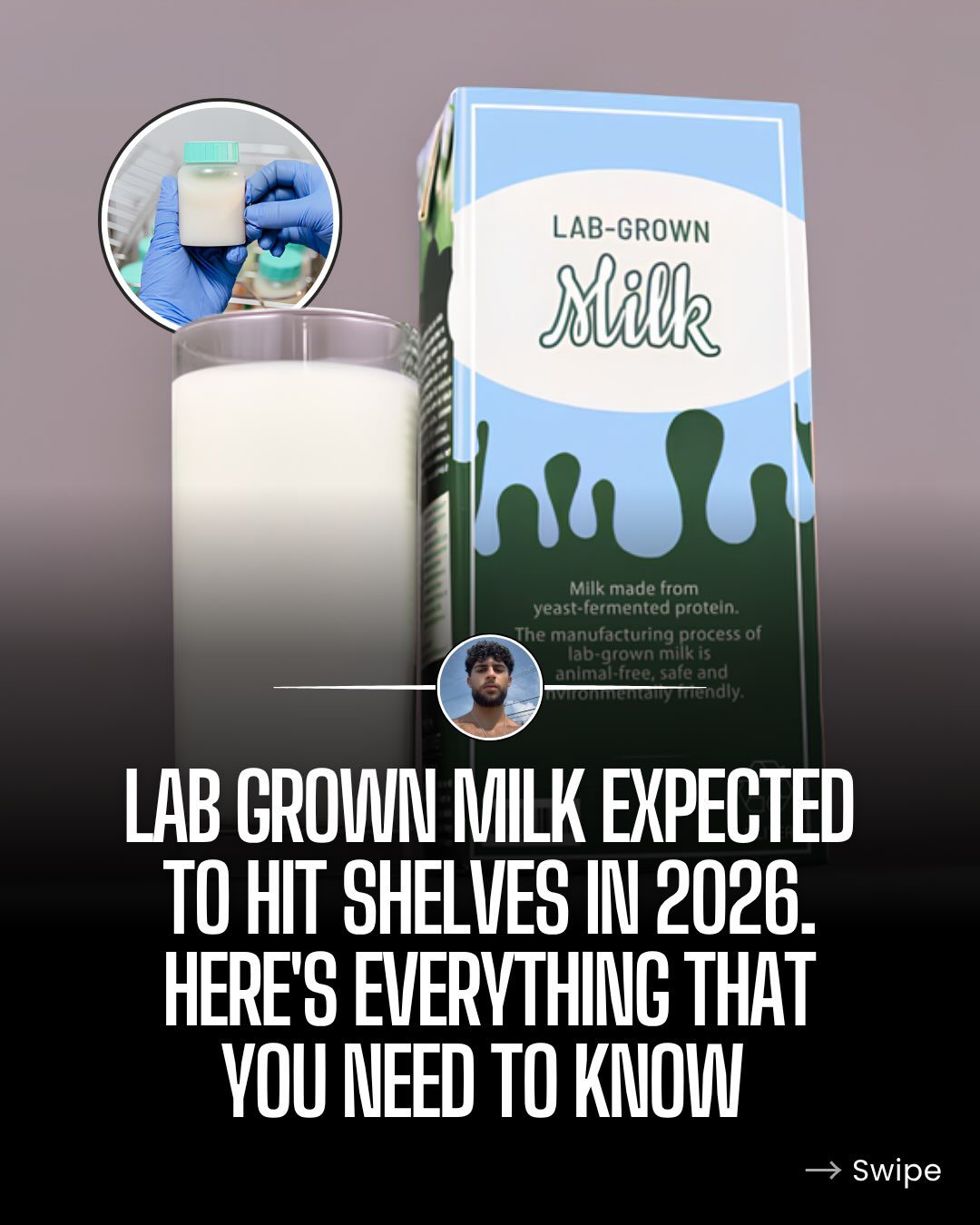
Lab-Grown Milk
Lab-grown milk, a cutting-edge innovation in food technology, is poised to revolutionize the dairy industry. Expected to hit U.S. shelves by 2026, this technology involves a complex process that can produce a milk byproduct from cultured animal cells. With significant investments from major companies like Danone and Coca-Cola, lab-grown milk is gaining traction despite facing regulatory challenges in some states, including Mississippi.
Why This Matters
The development of lab-grown milk addresses several pressing concerns in modern society, including animal welfare, environmental sustainability, and food security. As the global population continues to grow, there is an increasing demand for sustainable and ethical food sources. Lab-grown milk offers a potential solution by eliminating the need for large-scale animal farming, which is often associated with environmental degradation and ethical concerns.
In addition, the production of lab-grown milk is designed to be more efficient and controlled, reducing the risks of contamination and disease that can sometimes plague traditional dairy farming. This makes it an attractive option for consumers who prioritize both safety and sustainability.
The Process of Creating Lab-Grown Milk
Cell Harvesting and Immortalization
The process begins with the extraction of cells from the milk-producing tissues of a live animal. Researchers then use specialized techniques to immortalize these cells, ensuring they can divide endlessly. Immortalization often involves adding a gene from a monkey virus, such as SV40, which allows the cells to maintain their growth capabilities indefinitely.
Culturing in a Bioreactor
Once the cells are immortalized, they are transferred to a controlled environment known as a bioreactor. This steel tank is designed to mimic the natural conditions that trigger milk production in the animal's body. The cells are fed a carefully crafted broth containing sugars, growth factors, and other essential nutrients. By carefully regulating the environment, researchers can artificially stimulate the cells to produce milk.
Collection and Purification
As the cells produce milk, the byproduct is collected and purified. This process involves separating the milk from the cell culture and any other contaminants, resulting in a final product that closely resembles traditional milk.
Benefits of Lab-Grown Milk
Environmental Impact
One of the most significant advantages of lab-grown milk is its reduced environmental footprint. Traditional dairy farming is known for its high water and land requirements, as well as the significant greenhouse gas emissions associated with livestock. In contrast, lab-grown milk production can be controlled in a lab setting, reducing the need for vast tracts of land and minimizing environmental impact.
Animal Welfare
Lab-grown milk eliminates the need for large-scale animal farming, which often raises concerns about animal welfare. By using cultured cells, the technology avoids the ethical dilemmas associated with animal husbandry and slaughter. This can be an appealing option for consumers who are concerned about animal welfare.
Food Safety
The controlled environment of a bioreactor allows for more precise and hygienic production methods. Lab-grown milk can be produced with minimal risk of contamination from pathogens, antibiotics, or other unwanted substances. This makes it a safer option for consumers who prioritize food safety and quality.
Investment and Support
Merging science, technology, and dairy, Danone and Coca-Cola have made significant investments in lab-grown milk. These investments signal a growing interest in the potential of this burgeoning technology. Danone’s involvement in particular is notable, as the company has a long history of innovation in the dairy industry.
Regulatory Challenges and Labeling
Despite its potential benefits, lab-grown milk faces regulatory hurdles. Mississippi has already banned the sale of cell-cultured dairy products outright, and other states are considering similar measures. These regulations aim to protect traditional dairy farming and ensure transparency for consumers. Some states are also pushing for clear labeling requirements to distinguish lab-grown milk from traditional dairy products, helping consumers make informed choices.
Practical Tips
If you're considering trying lab-grown milk or want to stay informed about this emerging technology, here are a few practical tips:
-
Stay Informed: Keep an eye on the latest developments in the food technology industry. This field is rapidly evolving, and new information about lab-grown milk and other innovative food products is constantly emerging.
-
Support Transparency: Advocate for clear labeling and transparency in the food industry. This can help ensure that consumers have the information they need to make informed choices about the products they consume.
-
Engage with Brands: Reach out to companies like Danone and Coca-Cola to express your interest in lab-grown milk and other sustainable food technologies. Consumer engagement can drive further innovation and investment in the field.
-
Consider Ethical and Environmental Factors: When making food choices, weigh the ethical and environmental implications of your decisions. Lab-grown milk offers a potential solution to many of the challenges facing the dairy industry today.
Important Takeaways
- Lab-grown milk is expected to be available on U.S. shelves by 2026, marking a significant milestone in food technology.
- The process involves using immortalized animal cells in a bioreactor to produce a milk byproduct.
- Major companies like Danone and Coca-Cola are investing heavily in this technology, highlighting its potential for growth.
- Lab-grown milk offers environmental, ethical, and safety benefits over traditional dairy farming.
- Regulatory challenges, including bans and labeling requirements, are shaping the future of lab-grown milk.
Conclusion
Lab-grown milk represents a fascinating intersection of science, technology, and the food industry. With its potential to address environmental, ethical, and safety concerns, this technology could play a significant role in the future of dairy production. As it becomes more widely available, consumers and regulators will need to navigate the challenges and opportunities it presents, ensuring that this innovative technology can thrive and benefit society.
Watch the Reel
Questions readers ask
What exactly is lab-grown milk and how is it produced?
Lab-grown milk, also known as cell-cultured milk, is produced by growing animal cells in a controlled laboratory environment. The process involves taking cells from dairy animals, such as cows, and cultivating them in a nutrient-rich medium to induce milk production. This method eliminates the need for traditional farming practices.
Why is lab-grown milk considered a sustainable alternative to traditional dairy?
Lab-grown milk significantly reduces the environmental impact associated with traditional dairy farming. By eliminating the need for large-scale livestock farming, it cuts down on greenhouse gas emissions, land use, and water consumption. This makes it a more environmentally friendly option for dairy production.
When can consumers expect to see lab-grown milk on store shelves in the U.S.?
Lab-grown milk is anticipated to reach U.S. shelves by 2026. This timeline is based on current research and development timelines, as well as regulatory approval processes. Major companies like Danone and Coca-Cola are investing in this technology, which supports this goal.
How do major companies like Danone and Coca-Cola contribute to the development of lab-grown milk?
Danone and Coca-Cola are investing in the research and development of lab-grown milk, as it aligns with their goals toward sustainability and innovation. These investments help accelerate the technology's progression and bring it closer to commercialization, ensuring that lab-grown milk products meet industry standards and consumer expectations.
What are the regulatory challenges faced by lab-grown milk, especially in states like Mississippi?
The regulatory landscape for lab-grown dairy is still evolving and varies by region. Mississippi has introduced a ban on the sale of lab-grown milk, citing concerns over labeling and consumer confusion. These challenges highlight the need for clear and uniform regulations to facilitate the growth of the lab-grown dairy industry.
Related deep dives
Similar reads based on topic and creator.




Recent articles
Fresh deep dives from the latest Reels we unpacked.




Comments
Be the first to comment.