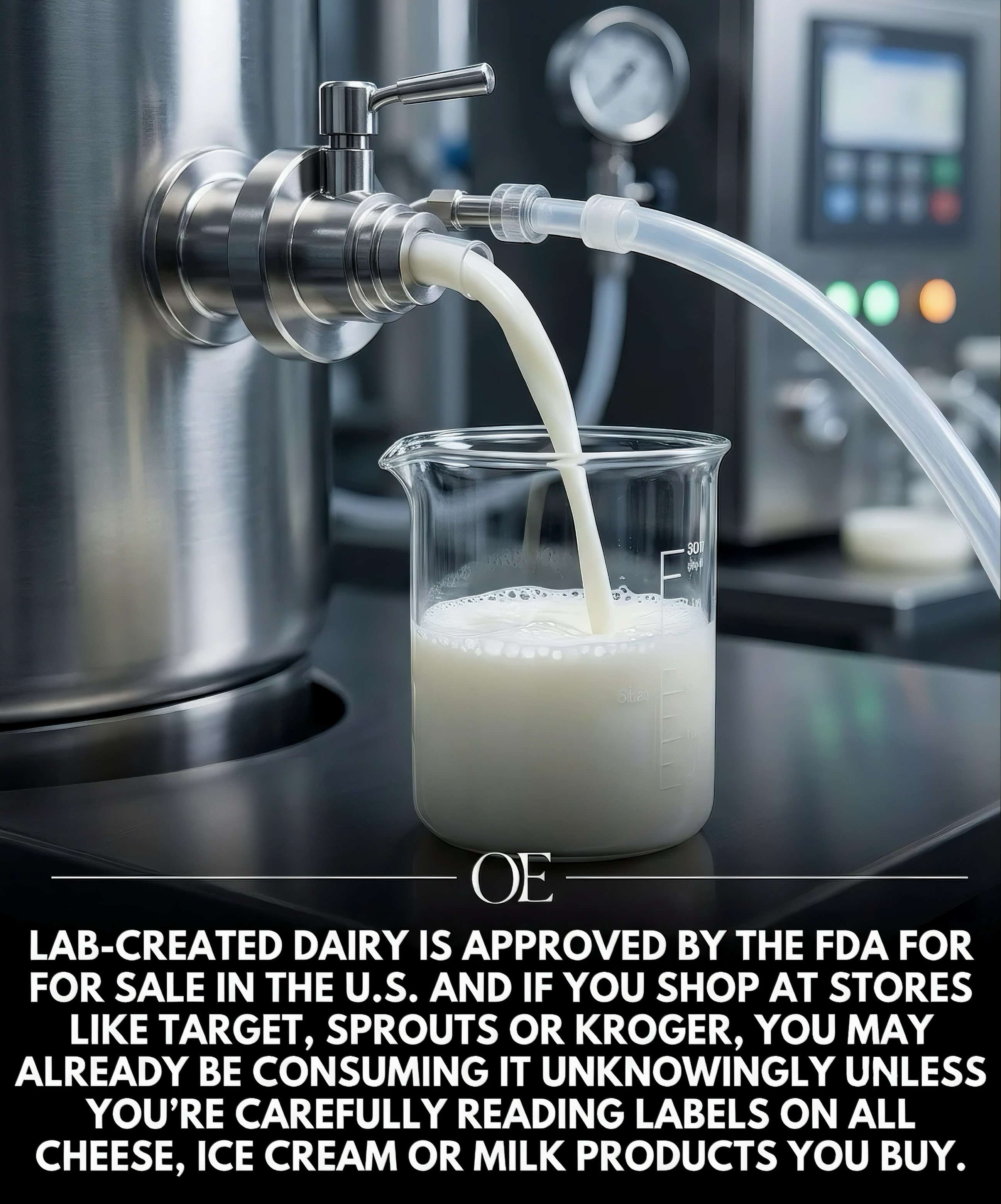
Lab-Created Dairy
Lab-created dairy, also known as cell-based dairy, is revolutionizing the dairy industry. Approved for sale in the U.S., this innovative product is now available at major retailers like Kroger. This development opens up new possibilities for consumers, especially those with dietary restrictions or ethical concerns about traditional dairy farming.
Why This Matters
The introduction of lab-created dairy on the market signifies a significant shift in the way we produce and consume dairy products. This technology promises to address several challenges in the dairy industry, including sustainability, animal welfare, and food allergy concerns. Understanding this new product can help consumers make more informed decisions about their dairy consumption.
Main Discussion
What is Lab-Created Dairy?
Lab-created dairy is produced using cell-based technology, where dairy proteins are grown in a laboratory setting from animal cells. This process mimics the natural production of milk in cows but avoids the need for raising and milking livestock. The result is a dairy product that is indistinguishable from traditional dairy in taste and texture.
How is it Made?
The process of creating lab-created dairy involves several steps. First, a small sample of cells is taken from an animal, typically a cow. These cells are then cultured in a nutrient-rich medium in a controlled laboratory environment. Over time, these cells multiply and produce the proteins that make up dairy products, such as casein and whey.
Once the proteins are produced, they are harvested and processed into various dairy products, such as milk, cheese, and ice cream. The final product is then packaged and distributed to stores like Kroger.
Where to Find It
Lab-created dairy products are now available at major retailers like Kroger and Sprouts. While the availability may vary by location, it is a growing trend that consumers can expect to see more of in the coming years. Stores are increasingly stocking these products to meet the demand for sustainable and ethical food options.
Practical Tips
When shopping for dairy products, it's essential to read the labels carefully. Lab-created dairy products may not always be clearly labeled as such, and traditional dairy products can sometimes be indistinguishable from their lab-created counterparts. Here are some tips to help you make an informed choice:
- Read the Labels: Carefully read the labels on all cheese, ice cream, and milk products you buy. Look for terms like "cultured," "cell-based," or "lab-created" to identify lab-created dairy.
- Check Certifications: Look for certifications from reputable organizations that verify the product's origin. This can help you ensure that you are buying a lab-created dairy product.
- Ask the Staff: If you're unsure about a product, don't hesitate to ask the store staff for more information. They can often provide details about the product's origin and production process.
- Look for Transparency: Choose brands that offer transparency about their production methods. Some companies may provide detailed information on their websites or packaging about how their dairy products are made.
Important Takeaways
Sustainability
One of the most significant benefits of lab-created dairy is its potential for sustainability. Traditional dairy farming has a significant environmental footprint, including land use, water consumption, and greenhouse gas emissions. Lab-created dairy, on the other hand, can be produced with a much smaller environmental impact, making it a more sustainable option.
Ethical Considerations
For consumers concerned about animal welfare, lab-created dairy offers a compelling alternative. The production process does not involve the raising and milking of livestock, which can be a significant ethical consideration for many people. This makes lab-created dairy a more humane and ethical choice.
Allergy Concerns
Lab-created dairy also addresses the concerns of those with dairy allergies. While traditional dairy products can cause allergic reactions in some individuals, lab-created dairy may offer a solution. The proteins produced in a laboratory setting can be modified to reduce or eliminate allergens, making dairy products safer for those with allergies.
Economic Benefits
The introduction of lab-created dairy can also have economic benefits. The technology can create new job opportunities in the lab and production sectors, and it can support local economies by reducing the need for imports. Additionally, the production of lab-created dairy can be more cost-effective, potentially leading to lower prices for consumers.
Conclusion
Lab-created dairy is an exciting and innovative development in the dairy industry. With its potential for sustainability, ethical considerations, and allergy-friendly options, it offers a compelling alternative to traditional dairy products. As more consumers become aware of this new technology and its benefits, it is likely to become a mainstream option in the coming years. Whether you're a dairy enthusiast or someone looking for a more sustainable and ethical option, lab-created dairy is worth considering.
Watch the Reel
Related deep dives
Similar reads based on topic and creator.



Recent articles
Fresh deep dives from the latest Reels we unpacked.




Comments
Be the first to comment.