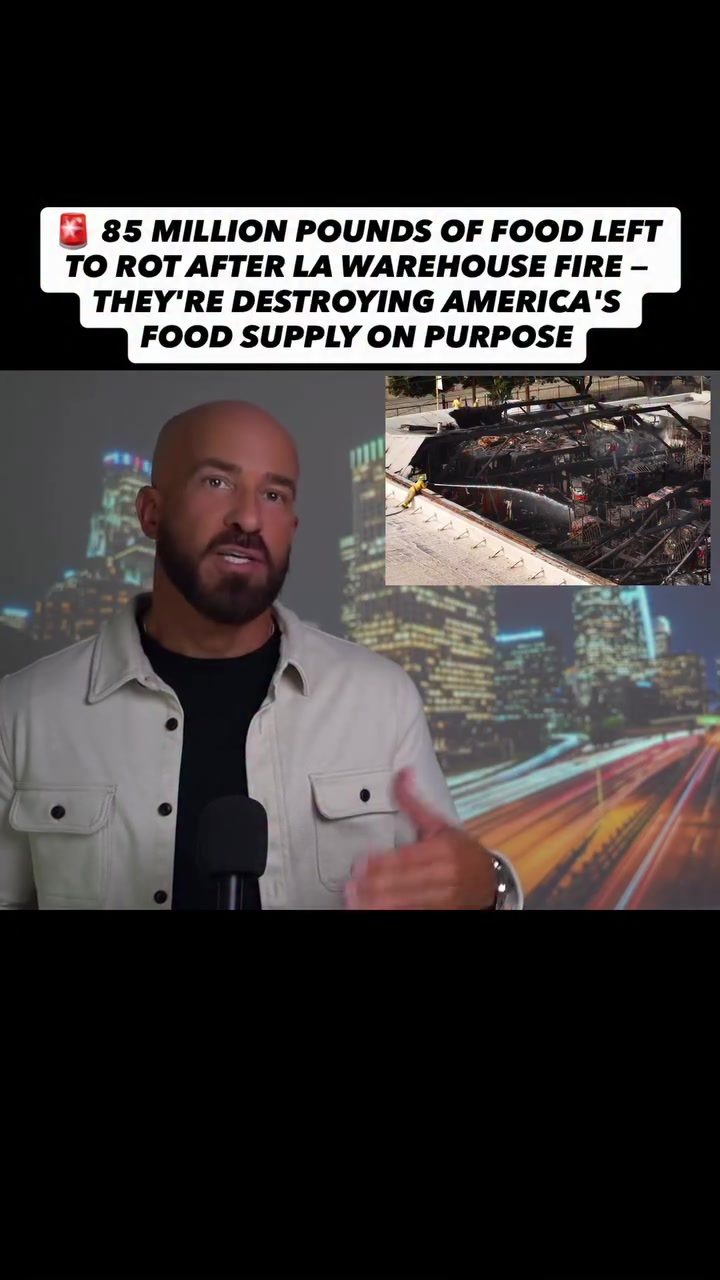
The Los Angeles Warehouse Fire Disaster
In the wake of a catastrophic warehouse fire in Los Angeles, profound questions are being raised about the state of the country’s food supply. The fire, which engulfed a massive warehouse, has resulted in approximately 85 million pounds of food being left to rot, much of it in cold storage. The incident has sparked speculation about whether these fires are part of a larger, more sinister pattern.
Context / Why this matters
The sheer scale of the fire and the subsequent rotting of food is staggering. The warehouse, which contained a significant amount of cold storage items, including Kirkland and Costco brand products, was severely damaged. The fire not only destroyed portions of the inventory but also semi-cooked much of the remaining food, making it unfit for consumption. This event has raised serious concerns about food waste, supply chain integrity, and the potential for deliberate sabotage.
The Fire and Its Aftermath
The Immediate Impact
The footage from the warehouse interior reveals a grim scene: 85 million pounds of food, much of it cold storage items, left to rot. Kirkland and Costco-branded fish, found on the outside of the warehouse, are among the affected products. The fire semi-cooked the frozen fish, rendering it inedible. Moreover, the smell of rotting food has been reported, adding to the already dire situation.
Investigation and Cleanup Delays
A significant issue that has emerged from this incident is the delay in cleanup efforts. Authorities have reportedly delayed the cleanup process, similar to how crime scenes are preserved, to ensure a thorough investigation. This means that the 85 million pounds of rotting food is likely to remain in place until the investigation is complete, potentially exacerbating the problem of food waste.
The Larger Pattern
Multiple Incidents
This is not an isolated event. Across the country, there have been several other major food storage facility fires. The frequency of these incidents raises questions about whether these are mere coincidences or part of a more deliberate plan. As grocery prices continue to rise, the destruction of such large quantities of food adds to the economic strain on consumers.
Potential Consequences
Food Security
The rotting of 85 million pounds of food in a single incident raises serious concerns about food security. The loss of such a substantial amount of food could lead to shortages and price increases, further straining an already stressed food supply chain. This incident underscores the need for stronger oversight and better safety measures in food storage facilities.
Practical Tips
For Consumers
Given the increasing concerns about food supply disruptions, consumers can take several steps to mitigate potential shortages and price hikes:
-
Stock Up Wisely: Consider stocking up on essential non-perishable items to ensure you have a backup supply.
-
Shop Smart: Keep an eye on local news and grocery store announcements for any upcoming sales or discounts on food items.
-
Support Local: Where possible, support local farmers and producers. This can help reduce reliance on large-scale storage facilities and support local economies.
-
Conserve Food: Be mindful of waste. Plan meals to use up perishable items before they expire.
Important Takeaways
The Importance of Food Safety
This incident highlights the critical importance of food safety and the need for robust storage and transportation infrastructure. Ensuring that food remains safe and secure from the point of production to the point of consumption is essential.
The Need for Transparency
The lack of immediate cleanup and the mystery surrounding the cause of the fires underscore the need for greater transparency in food storage and distribution. Consumers and policymakers alike need more information to make informed decisions.
Conclusion
The Los Angeles warehouse fire, which resulted in 85 million pounds of food being left to rot, serves as a stark reminder of the vulnerabilities in our food supply chain. The potential for food waste, supply shortages, and price hikes is a growing concern. As we grapple with these issues, it is crucial to advocate for better safety measures, enhanced transparency, and a more resilient food system. These steps will help ensure that our food supply remains secure and reliable in the face of such challenges.
Watch the Reel
Questions readers ask
What caused the LA warehouse fire to destroy 85 million pounds of food?
The exact cause of the fire is still under investigation, and it is not yet clear whether it was due to an accident or the result of any intentional actions. The sheer scale of the fire and the damage it caused has raised serious questions about supply chain security and the potential for food supply disruptions in the region.
Why Didn't the Cold Storage System Prevent Food Loss?
Cold storage systems are designed to preserve food at low temperatures. However, when a fire of this magnitude occurs, the infrastructure can be severely damaged, causing a loss of power and rendering the cold storage systems ineffective. In this case, much of the food was likely semi-cooked or destroyed by the heat and smoke.
What happens to the food that was left to rot?
The food left to rot will be handled according to local regulations and guidelines for food waste disposal. This may involve proper disposal methods to prevent contamination and further environmental impact. Some of it may be salvaged, if it can be determined to be safe for consumption.
How will this fire impact the local food market?
The loss of 85 million pounds of food is significant and could lead to short-term shortages of certain items. Prices may fluctuate as the supply chain adjusts to the sudden loss of inventory, and consumers might experience temporary disruptions in the availability of specific products, including Kirkland and Costco brand items.
What measures can be taken to prevent similar incidents in the future?
To prevent similar incidents, it is crucial to enhance warehouse fire prevention measures, including regular maintenance of electrical systems, proper storage of flammable materials, and installation of advanced fire suppression systems. Additionally, conducting thorough investigations into the causes of such fires can help identify patterns and implement stricter safety protocols.
How does a warehouse fire of this magnitude impact supply chain security?
A warehouse fire of this magnitude can severely disrupt supply chain security by causing significant losses in inventory and potentially affecting the availability of essential goods. This disruption can lead to shortages, delays, and increased costs, impacting both retailers and consumers. It also highlights the vulnerability of the supply chain to unexpected events.
What steps are being taken to investigate the Los Angeles warehouse fire?
The investigation into the Los Angeles warehouse fire is likely to involve multiple agencies, including local fire departments, public health officials, and possibly federal authorities. They will examine the cause of the fire, assess the damage, and implement measures to prevent future incidents. The findings from this investigation will be crucial in understanding the extent of the loss and developing strategies to mitigate similar risks in the future.
Recent articles
Fresh deep dives from the latest Reels we unpacked.




Comments
Be the first to comment.