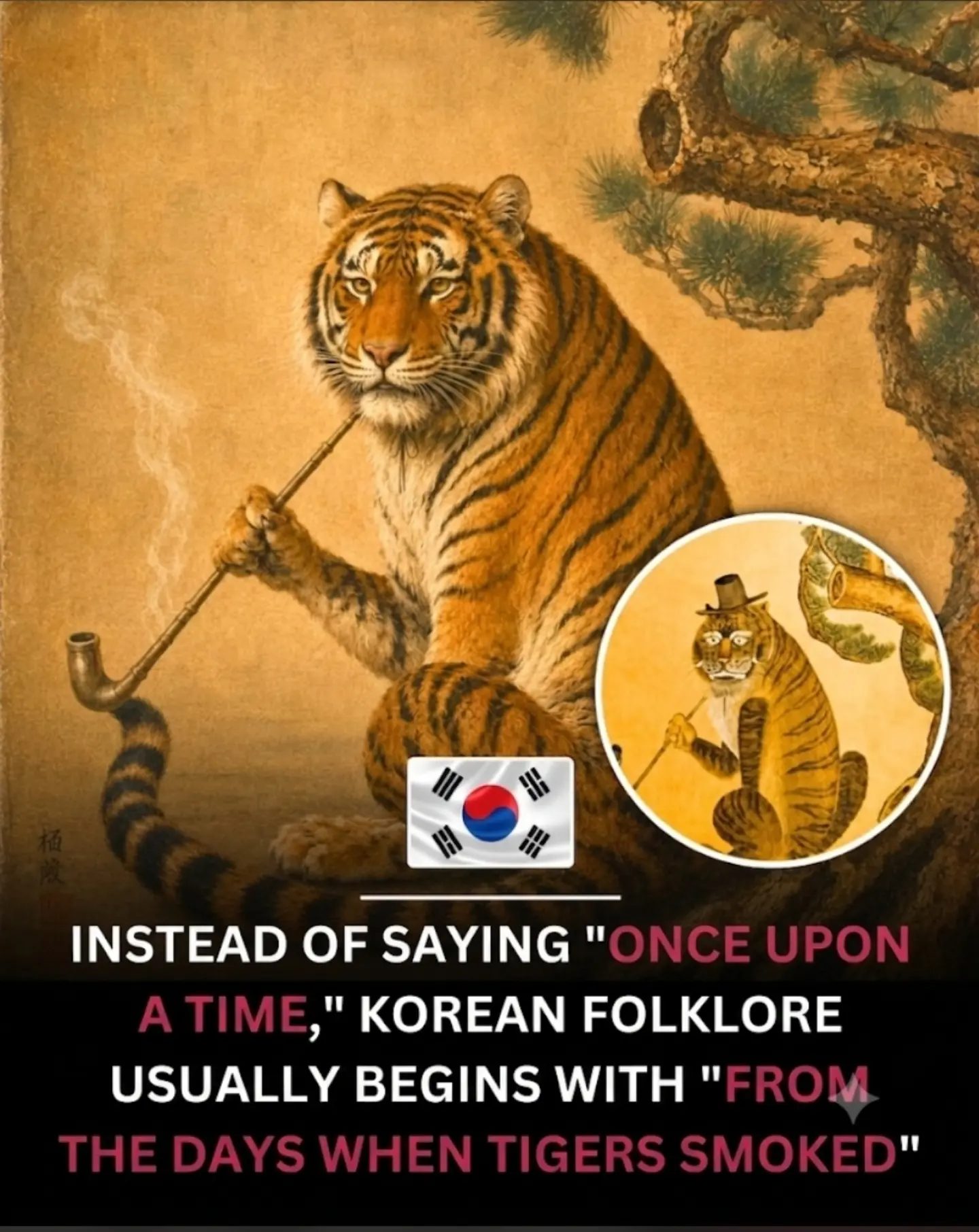
Korean Folklore and the Humorous Tradition of "From the Days When Tigers Smoked"
The phrase "From the days when tigers smoked" is a unique and intriguing way that Korean folklore begins. This idiom opens many traditional Korean tales, serving as a cultural and linguistic marker that sets the stage for magical storytelling. Unlike Western fairy tales, which often start with "Once upon a time," Korean folklore frequently kicks off with this evocative phrase, transporting listeners to a time when even tigers could indulge in human habits.
Context / Why This Matters
Understanding the significance of this phrase provides insight into the rich cultural tapestry of Korea, particularly during the Joseon Dynasty. Tobacco was introduced to the Korean peninsula during this period and quickly gained popularity across all social classes. This historical context is woven into the narrative, as the phrase evokes a time when human habits were shared with animals, creating a whimsical, almost surreal atmosphere.
Main Discussion
The Cultural Significance of Tigers in Korea
Tigers hold a deeply revered and almost human-like status in Korean mythology. They are often depicted as mountain gods or whimsical, smoking deities in folk art, known as Minhwa. This representation adds a layer of respect and reverence to the animal, making the phrase "From the days when tigers smoked" not just a humorous introduction but also a culturally significant one.
The Introduction of Tobacco
The introduction of tobacco during the Joseon Dynasty played a crucial role in shaping this idiom. Tobacco quickly became a popular commodity, and its incorporation into folklore reflects its pervasive influence on society. The phrase, therefore, serves as a temporal marker, signifying a distant and mythical past where even the most extraordinary events were possible.
The Artistic Representation
The artistic representation of this folklore tradition is both traditional and modern. A visual metaphor often combines traditional Korean art with humorous, contemporary elements. For example, a tiger might be depicted wearing a South Korean flag as a cape, smoking a pipe, and standing in front of a painting. This combination of traditional aesthetics with a modern twist makes the imagery both engaging and culturally meaningful.
Practical Tips
Engaging with Korean Folklore
To truly appreciate Korean folklore, it's essential to engage with the cultural context and historical background. Understanding the significance of tigers and the introduction of tobacco can enrich your experience. For example, visiting museums or art galleries featuring Minhwa can provide a deeper understanding of how tigers are portrayed in art and mythology.
Incorporating Cultural Elements
When sharing stories or creating art inspired by Korean folklore, consider incorporating elements that reflect the cultural significance and humor of the phrase "From the days when tigers smoked." This could include visual elements like tigers, smoking pipes, and traditional art styles, as well as narrative elements that evoke a sense of whimsy and magic.
Important Takeaways
The phrase "From the days when tigers smoked" is more than just a storytelling device; it's a cultural treasure. It encapsulates the unique blend of humor, mythology, and history that characterizes Korean folklore. By understanding and appreciating this phrase, you gain a deeper insight into the rich cultural heritage of Korea and the enduring appeal of its storytelling traditions.
Conclusion
Korean folklore offers a rich and captivating world of storytelling, where tigers can smoke and mythical elements intertwine with historical events. The phrase "From the days when tigers smoked" is a testament to the unique and endearing aspects of Korean storytelling, blending humor, reverence, and historical context. Whether you're a casual reader, an art enthusiast, or someone interested in cultural heritage, exploring this idiom and its significance can open up a fascinating journey into the heart of Korean folklore.
Watch the Reel
Questions readers ask
Why does Korean folklore often begin with 'From the days when tigers smoked'?
This phrase is a unique cultural and linguistic marker in Korean storytelling. It serves as an opening line for many traditional tales, immediately setting a whimsical and magical atmosphere. Unlike Western stories that begin with 'Once upon a time,' this phrase is distinctive to Korea and signals the start of a magical narrative.
What does the phrase 'From the days when tigers smoked' signify?
The phrase signifies a bygone era in Korean folklore where humans and animals shared similar habits. It transport listeners to a surreal and enchanting atmosphere, where even tigers could partake in human activities like smoking tobacco.
Is the phrase 'From the days when tigers smoked' specific to Korean culture?
Yes, this phrase is unique to Korea. It is not commonly found in other cultures' folklore, making it a distinctive aspect of Korean storytelling traditions. The phrase has deep roots in Korean culture, particularly during the Joseon Dynasty.
Does the phrase 'From the days when tigers smoked' have any historical context?
Yes, the phrase is linked to the Joseon Dynasty, when tobacco was introduced to the Korean peninsula. This historical context adds depth to the magical storytelling, as listeners can imagine the shared habits of humans and animals during this period.
Are there other unique cultural phrases in Korean folklore?
While 'From the days when tigers smoked' is one of the most notable, Korean folklore is rich with unique phrases and expressions. These phrases often serve as cultural markers, providing insights into Korean history, traditions, and storytelling.
Can this phrase be found in Korean folklore stories for kids?
Yes, this phrase is commonly found in Korean folklore stories for kids. It helps to create a vivid, magical world where animals and humans interact in whimsical ways, making it appealing to young listeners.
What role do tigers play in Korean folklore?
Tigers play a significant role in Korean folklore, often depicted as powerful and sometimes mischievous creatures. The phrase 'From the days when tigers smoked' exemplifies the unique and often humorous interactions between humans and tigers in these tales.
Recent articles
Fresh deep dives from the latest Reels we unpacked.




Comments
Be the first to comment.