Kinetic Sculptures: Creating Motion and Balance
Kinetic sculptures are dynamic art forms that integrate motion and physical principles to create visually engaging and often mesmerizing displays. These sculptures often involve various moving parts that interact in unique and intriguing ways, drawing viewers into a world where art and physics collide.
Context / Why this matters
Kinetic sculptures are more than just eye-catching art; they embody a deep understanding of mechanical and physical principles. By exploring how different components interact, these sculptures provide a tangible demonstration of concepts such as balance, momentum, and rotational dynamics. For those interested in art, engineering, or physics, kinectic sculptures offer a fascinating intersection of creativity and technical ingenuity.
Main discussion
The Mechanics of a Kinetic Sculpture
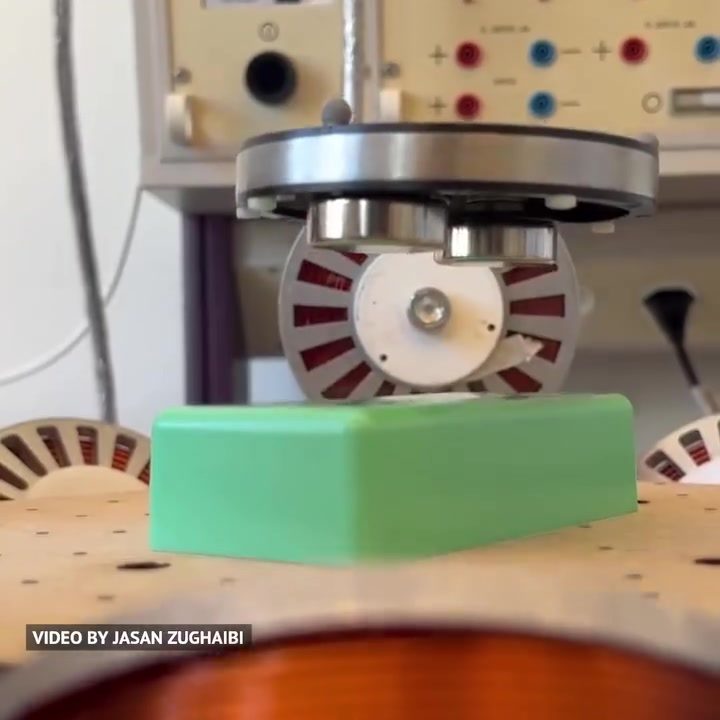
The kinetic sculpture featured in the demonstration utilizes several key components to achieve its dynamic motion. At the core of the setup is a rotating disc, which serves as the primary source of movement. The disc is designed to spin continuously, providing a steady rotational motion that drives the rest of the sculpture. This spinning motion is crucial for creating the illusion of perpetual movement and balance.
Functional Elements
The kinetic sculpture incorporates a green block as a base or interaction point for several white spheres. These spheres are strategically placed to interact with the rotating disc, creating a visually engaging display of motion and balance. The green block not only serves as a stable foundation but also as a point of interaction where the spheres can roll, bounce, or otherwise move in response to the disc's rotation.
These spheres, often made of lightweight materials, glide across the disc and the block, showcasing the principles of inertia and friction. The smooth, continuous motion of the spheres creates a sense of fluidity and harmony, making the sculpture a captivating spectacle to watch.
Balance and Motion
The design of the sculpture emphasizes the delicate balance and motion of the spheres. By carefully controlling the speed and direction of the disc, the artist can create intricate patterns and movements that highlight the principles of rotational dynamics and balance. This is where the true magic of kinetic sculpture lies—the interplay between the moving parts and the stable base creates a mesmerizing visual experience.
The kinetic sculpture showcases the principles of balance and motion in a unique and captivating way. Every element, from the rotating disc to the spheres, is carefully engineered to demonstrate the interplay between these fundamental concepts of physics. By observing the sculpture, viewers can gain a deeper appreciation for how mechanical systems work and the delicate balance required to maintain smooth, continuous motion.
Visual and Mechanical Integration
The visual and mechanical integration of the components is crucial for the overall aesthetic and functionality of the sculpture. The rotating disc and the spheres are not just functional elements; they also contribute to the overall visual appeal of the sculpture. The white spheres contrast beautifully against the green block and the smooth, rotating disc, creating a visually harmonious composition.
The interplay of the spheres with the disc and the block is a testament to the artist's skill in designing a kinetic sculpture. The spheres move in a synchronized, almost rhythmic fashion, creating a dynamic visual experience. This integration of movement and design is what sets kinetic sculptures apart from static art forms.
The Art of Control
Creating a kinetic sculpture that operates smoothly and continuously requires a high level of precision and control. The artist must carefully design each component to ensure that it interacts seamlessly with the others. This involves a deep understanding of mechanical principles, as well as a keen eye for aesthetic design.
The use of a rotating disc as the primary source of movement is a clever choice. The disc's continuous rotation provides a steady, predictable motion that can be easily integrated with other moving parts. This allows the artist to create intricate and complex patterns of movement, enhancing the visual and kinetic appeal of the sculpture.
Practical Tips
-
Choose the Right Materials: When creating a kinetic sculpture, selecting the right materials is crucial. Lightweight, smooth materials like polished metal or plastic are ideal for moving parts, as they minimize friction and allow for smoother motion.
-
Understand the Physics: Having a solid grasp of the principles of physics, particularly rotational dynamics and balance, will help you design a kinetic sculpture that operates smoothly and looks visually appealing.
-
Precision is Key: Each component of a kinetic sculpture must be precisely engineered to ensure that it interacts seamlessly with the others. This requires a high level of skill and attention to detail.
-
Experiment and Iterate: Don't be afraid to experiment with different designs and materials. The process of creating a kinetic sculpture often involves a lot of trial and error, so be prepared to iterate and refine your design.
-
Consider the Aesthetics: While the mechanical aspects are important, the visual appeal of the sculpture is equally significant. Think about how the different components will look together and how they will move in relation to each other.
Building a Kinetic Sculpture
-
Design the Base: Start by designing a stable base for your sculpture. This will provide the foundation for all the moving parts and should be sturdy enough to support the weight and movement of the components.
-
Choose Your Moving Parts: Select the moving parts, such as discs, spheres, or other shapes, that will create the dynamic motion in your sculpture. Consider the materials and how they will interact with each other.
-
Integrate the Components: Carefully integrate the moving parts with the base. Ensure that each component is securely attached and can move freely without obstruction.
-
Test and Refine: Once your sculpture is assembled, test it to see how the components interact. Make any necessary adjustments to improve the movement and visual appeal.
-
Add Finishing Touches: Finally, add any finishing touches, such as paint or decorative elements, to enhance the visual appeal of your sculpture.
Important Takeaways
Kinetic sculptures offer a unique and captivating way to explore the principles of motion and balance. By integrating mechanical components with artistic design, these sculptures create a visually engaging and dynamic art form. Understanding the physics and mechanics behind these sculptures can enhance your appreciation of their beauty and complexity.
Creating a kinetic sculpture requires a blend of artistic vision and technical skill. Whether you're a seasoned artist or a budding engineer, exploring the world of kinetic sculptures can be a rewarding and enlightening experience.
Conclusion
Kinetic sculptures are a testament to the harmony between art and science. Their dynamic and visually engaging nature makes them a fascinating subject to study and appreciate. By understanding the principles behind their design and construction, you can gain a deeper appreciation for the intricate balance and motion that make these sculptures so captivating. Whether you're an artist, engineer, or simply someone who appreciates beautiful and functional art, kinetic sculptures offer a world of exploration and discovery. From choosing the right materials to understanding the physics of motion, creating a kinetic sculpture is a journey of creativity and technical mastery.
Watch the Reel
Questions readers ask
What are the key mechanical principles demonstrated by kinetic sculptures?
Kinetic sculptures showcase several key mechanical principles, including balance, momentum, and rotational dynamics. By observing these sculptures, you can gain insights into how these principles work in harmony to create smooth, mesmerizing motions.
How do kinetic sculptures use magnetic levitation?
Some kinetic sculptures employ magnetic levitation to create the illusion of defying gravity. This is achieved by using magnets to levitate objects, which not only adds to the visual appeal but also demonstrates the principles of magnetic forces and their interaction with other physical laws.
What makes interactive kinetic sculptures unique?
Interactive kinetic sculptures engage viewers by allowing them to influence the motion and behavior of the art. These sculptures often have moving parts that can be touched or manipulated, providing a hands-on experience that makes the interplay of art and physics more tangible and exciting.
Can kinetic sculptures be used to teach physics concepts without a classroom setting?
Yes, kinetic sculptures serve as excellent tools to explore physics concepts in a non-traditional setting. By observing and interacting with these sculptures, individuals can gain a deeper understanding of principles like rotational dynamics and momentum, all while enjoying a visually stimulating experience.
What are some common materials used in kinetic sculptures?
Kinetic sculptures can be made from a variety of materials, including metal, wood, plastic, and glass. The choice of material often depends on the desired aesthetic and mechanical properties. For instance, metal is often used for its durability and ability to create smooth, rotating movements, while wood might be chosen for its natural warmth and texture.
How do rotating kinetic sculptures demonstrate physics in motion?
Rotating kinetic sculptures highlight principles such as angular momentum and rotational dynamics. The continuous, smooth rotation of these sculptures showcases how physical forces and mechanical design work together, making them a fascinating demonstration of physics in action.
What role do spheres play in kinetic sculptures?
Spheres are a common feature in kinetic sculptures due to their unique physical properties. They can roll, spin, and rotate in various directions, making them ideal for demonstrating principles like rotational dynamics, balance, and momentum in a visually engaging way.
Related deep dives
Similar reads based on topic and creator.

Recent articles
Fresh deep dives from the latest Reels we unpacked.




Comments
Be the first to comment.