Kimchi and the Removal of Microplastics
Kimchi, a traditional fermented food, is celebrated for its tangy flavor and numerous health benefits. Recent scientific findings have added a new dimension to its already impressive profile: certain strains of beneficial bacteria found in kimchi may help remove microplastics from the body.
Context / Why This Matters
Microplastics have become an increasingly concerning environmental and health issue. These tiny plastic particles, often smaller than five millimeters, are found in various products, from packaging to clothing, and can end up in our food and water. Their potential impact on human health is still a subject of ongoing research, but there is growing evidence that they may cause inflammation, oxidative stress, and even disrupt hormones.
Fermented foods like kimchi are known for their probiotic properties. Through fermentation, naturally occurring lactic acid bacteria grow, producing beneficial microbes that support digestion and maintain a healthy gut microbiome. Now, researchers are exploring another potential benefit: the ability of these bacteria to bind to and remove microplastics.
Main Discussion
The Science Behind the Discovery
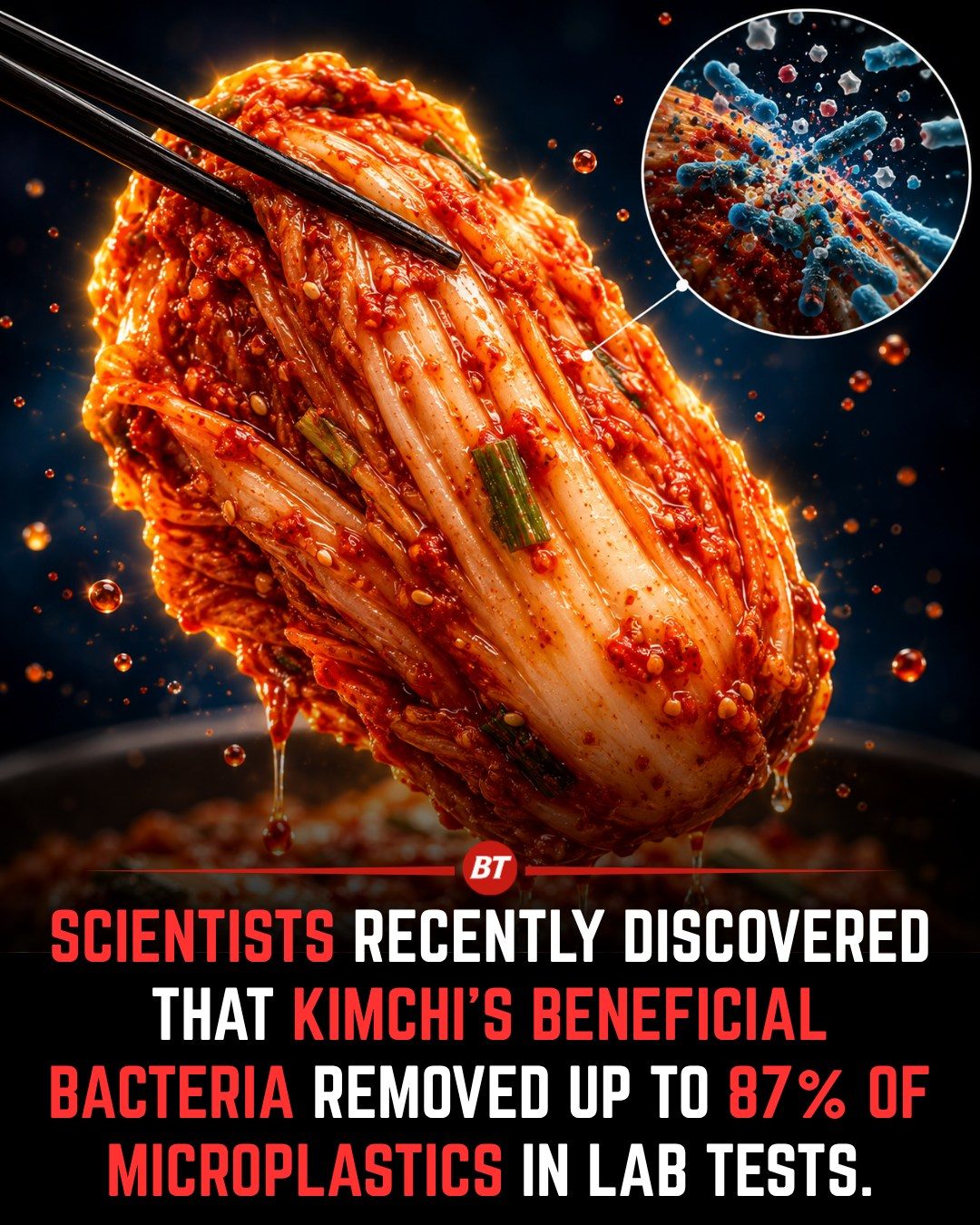
In a recent laboratory study, scientists found that certain strains of Lactobacillus, a type of bacteria commonly found in kimchi, were able to remove up to 87% of microplastics under controlled conditions. The researchers believe that these bacteria may trap or bind to plastic particles on their cell surfaces, potentially helping to remove them before they can interact with the body.
The exact mechanism by which these bacteria bind to microplastics is still being investigated, but the preliminary findings are promising. This discovery opens an entirely new area of gut health science, suggesting that beneficial bacteria in fermented foods may play a crucial role in combating the effects of microplastics.
The Role of Fermentation
Fermentation is an age-old process that not only enhances the flavor of food but also increases its nutritional value. In the case of kimchi, fermentation allows beneficial lactic acid bacteria to thrive. These bacteria not only improve digestion and gut health but may also contribute to the removal of microplastics.
The Potential Benefits of Kimchi
While the research is still in its early stages, the findings suggest that kimchi and other fermented foods could be valuable additions to a healthy diet. Regular consumption of kimchi can help increase gut microbial diversity, which is essential for maintaining digestive and immune health. This could potentially support the body's ability to deal with environmental toxins, including microplastics.
Future Research
It is important to note that the findings were observed in a laboratory setting, not in people. Therefore, more human research is needed before concluding that eating kimchi can reduce microplastics inside the body. Ongoing studies in this area could provide more concrete evidence of the benefits of kimchi and other fermented foods in mitigating the effects of microplastics.
Practical Tips
Incorporating kimchi into your diet can be a delicious and healthy way to support your gut health. Here are a few tips to get you started:
- Add a few spoonfuls of kimchi to your rice bowls, as a topping for eggs, or even in soup.
- Mix kimchi into your salad: Add some chopped kimchi to a salad of leafy greens for a tangy kick.
- Top your pizza: Use kimchi as a topping on homemade or store-bought pizza for a unique flavor.
- Stir-fry with vegetables: Add kimchi to your stir-fry dishes for an extra burst of flavor and health benefits.
- Include in wraps: Add kimchi to your favorite wrap or sandwich for an extra layer of taste and nutrition.
Important Takeaways
- Beneficial bacteria in kimchi can remove up to 87% of microplastics in lab tests.
- Fermented foods like kimchi support digestion and maintain a healthy gut microbiome.
- Ongoing research is needed to confirm the effects of kimchi on microplastics in the human body.
- Incorporating kimchi into your diet can be a delicious way to support gut health.
Conclusion
While the research on kimchi and microplastics is still emerging, the preliminary findings are exciting. Fermented foods like kimchi, known for their probiotic properties, may offer additional health benefits by potentially removing microplastics from the body. Even if future research does not confirm the exact mechanisms or extent of these benefits, consuming kimchi and other fermented foods remains a valuable addition to a healthy diet.
Watch the Reel
Questions readers ask
What are microplastics and why are they concerning?
Microplastics are tiny plastic particles, typically smaller than five millimeters in size. They are concerning due to their prevalence in the environment and food chain, and their potential to cause harm to human health.
How do microplastics end up in our bodies?
Microplastics can enter our bodies through various means, including consuming contaminated food and water. They are increasingly found in everyday products, from packaging to clothing, making it difficult to avoid them.
What role do certain bacteria in kimchi play in removing microplastics?
Recent research indicates that specific strains of beneficial bacteria found in kimchi have the ability to help remove microplastics from the body, offering a natural way to mitigate the presence of these harmful particles.
What is the significance of recent findings about kimchi and microplastics?
These findings highlight a new potential benefit of kimchi beyond its typical health advantages, suggesting it could play a role in reducing the environmental and health impacts of microplastics.
How does consuming fermented foods like kimchi benefit gut health?
Fermented foods like kimchi are rich in probiotics, which support a healthy gut microbiome. This can enhance digestion, boost the immune system, and promote overall wellness.
What are the environmental implications of microplastics?
Microplastics pose significant environmental challenges. They pollute waterways, harm marine life, and contribute to broader ecological issues. Reducing their presence in the environment is crucial for ecosystem health.
Can I consume more kimchi to help reduce microplastics in my body?
While kimchi shows promise in aiding microplastic removal, it is not recommended to consume excessive amounts without consulting a healthcare professional. Integrating kimchi into a balanced diet can offer various benefits, but it should not be relied upon solely for microplastic detoxification.
Related deep dives
Similar reads based on topic and creator.



Recent articles
Fresh deep dives from the latest Reels we unpacked.




Comments
Be the first to comment.