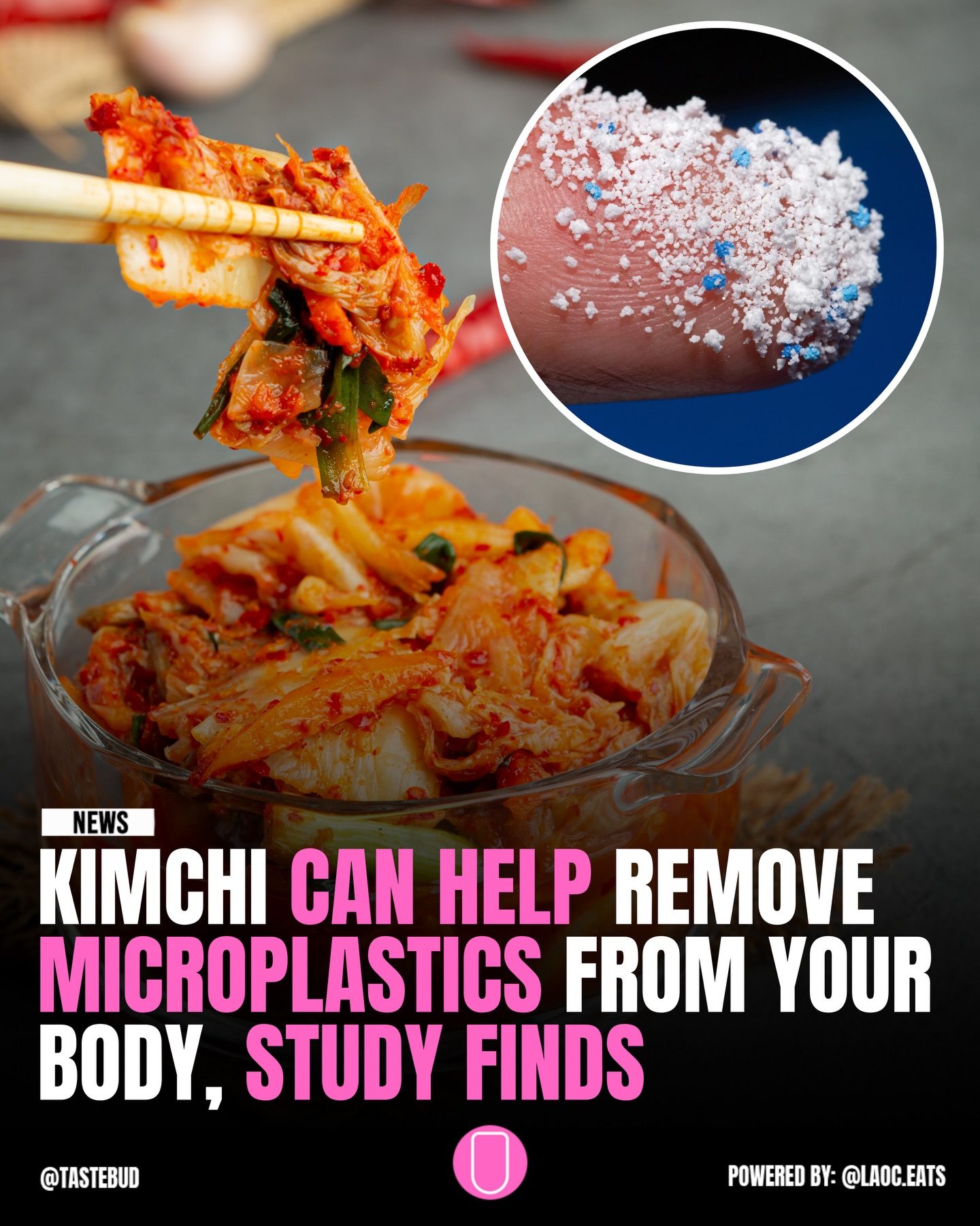
Kimchi and Microplastics
A recent study has sparked interest in kimchi as a potential tool for helping the body flush out microplastics and even smaller nanoplastics. This discovery underscores the growing body of research highlighting the benefits of fermented foods.
Why This Matters
Microplastics and nanoplastics are now found in various parts of our environment and bodies, including our food, water, and even in human blood. Understanding how to mitigate their effects is crucial for public health. Kimchi, a staple in Korean cuisine, is traditionally made through a natural fermentation process that creates beneficial compounds. These compounds may help bind to plastic particles, aiding in their removal from the body.
The Role of Fermentation
The fermentation process in kimchi involves a variety of bacteria and yeast that work together to create a tangy, spicy flavor. During fermentation, these microorganisms produce a range of compounds, including acids, enzymes, and antioxidants. These compounds are believed to bind to microplastics and nanoplastics, preventing them from being absorbed into the body. By binding to these particles, they help the body to expel them more efficiently.
Scientific Research
A recent study found that the compounds produced during kimchi fermentation may significantly reduce the amount of microplastics and nanoplastics that stay in the body. Researchers suggest that this effect is due to the unique composition of kimchi, which includes a blend of vegetables, spices, and bacteria. The study highlights the potential of fermented foods as a natural way to combat the health risks associated with microplastics.
Health Benefits of Kimchi
Kimchi is already known for its numerous health benefits. It is rich in vitamins, minerals, and fiber, and is often praised for its ability to boost digestion, enhance immune function, and support overall health. The latest findings add another potential benefit to the list, highlighting its role in mitigating the effects of microplastics.
Main Discussion
Fermentation Compounds
During fermentation, microbes break down food components, creating various compounds that may have health benefits. For example, lactic acid, produced by lactobacilli bacteria, is known for its antimicrobial properties and ability to enhance digestion. In the context of microplastics, lactic acid and other fermentation byproducts may help bind to plastic particles, making them easier to expel from the body.
Impact on Microplastics
Microplastics are tiny plastic particles that are less than 5mm in size. They are found in various foods and beverages and can enter the body through ingestion or inhalation. Nanolastics are even smaller, measuring less than 100 nanometers. These particles are so small that they can penetrate cell membranes and enter the bloodstream. The ability of kimchi to bind to these particles and help the body flush them out is a significant finding, given the increasing levels of microplastics in our environment.
Binding and Elimination
The binding process involves the compounds in kimchi interacting with the surface of microplastics and nanoplastics. This interaction alters the particles' surface properties, making them less likely to be absorbed by the body. Instead, these bound particles are more easily eliminated through natural bodily processes.
Practical Tips
Incorporating Kimchi into Your Diet
Incorporating kimchi into your daily diet is relatively easy. It can be eaten as a side dish, added to soups and stews, or used as a topping for salads and sandwiches. For those new to kimchi, start with small portions to allow your body to adjust to its spicy flavor.
Making Your Own Kimchi
Making kimchi at home can be a rewarding experience. It allows you to control the ingredients and ensure the quality of the fermentation process. Here is a basic recipe to get you started:
Ingredients
- 1 head of napa cabbage
- ¼ cup sea salt
- ¼ cup water
- 3 tablespoons gochugaru (Korean chili flakes)
- 2 tablespoons fish sauce (optional, omit for vegetarian version)
- 1 tablespoon grated ginger
- 1 tablespoon minced garlic
- 1 tablespoon sugar
- 1 tablespoon rice flour
Instructions
- Cut the cabbage into quarters and remove the core. Cut each quarter into 2-inch-wide strips.
- Place the cabbage in a large bowl and sprinkle with salt. Toss to coat evenly.
- Add water, mix well, and let it sit for 1-2 hours until the cabbage releases its juices.
- Rinse the cabbage thoroughly and squeeze out excess water.
- In a separate bowl, mix gochugaru, fish sauce (if using), ginger, garlic, and sugar.
- Toss the cabbage in the spice mixture until evenly coated.
- Transfer the kimchi to a jar and press down to remove air pockets. Leave at least 1-2 inches of headspace.
- Store the jar at room temperature for 1-2 days, then transfer to the refrigerator. Allow it to ferment for at least 3 days before consuming.
Important Takeaways
The study's findings suggest that incorporating fermented foods like kimchi into your diet may help mitigate the health risks associated with microplastics. The compounds created during fermentation can bind to plastic particles, aiding in their elimination from the body.
The discovery adds to the growing list of health benefits linked to fermented foods. These benefits include improved digestion, enhanced immune function, and support for overall health.
Conclusion
While more research is needed to fully understand the mechanisms and extent of kimchi's effects on microplastics, the initial findings are promising. Kimchi's ability to help the body flush out these particles highlights the potential of fermented foods as a natural tool for reducing exposure to harmful substances. By incorporating fermented foods like kimchi into your diet, you can enjoy a range of health benefits while potentially mitigating the risks associated with microplastics.
Watch the Reel
Questions readers ask
How exactly does kimchi help in removing microplastics from the body?
Kimchi contains unique compounds generated during its fermentation process. These compounds are thought to bind to microplastics and nanoplastics, facilitating their removal from the body through natural processes.
What are microplastics and nanoplastics, and why are they a concern?
Microplastics are tiny plastic particles less than five millimeters in size, while nanoplastics are even smaller, measuring less than 0.1 micrometers. Both are prevalent in our environment and can be ingested through food and water. Their presence in the human body is a growing health concern due to their potential to accumulate and cause inflammation and toxicity.
Are there other fermented foods that might offer similar benefits to kimchi?
While kimchi is specifically mentioned in the study for its potential to help remove microplastics, other fermented foods like sauerkraut, kefir, and kombucha also offer numerous health benefits. These foods contain beneficial bacteria and compounds produced during fermentation that may support overall health and detoxification processes.
What recent study highlights the benefits of kimchi in removing microplastics?
The recent study mentioned in the article explores how the fermentation process in kimchi creates specific compounds. These compounds are believed to bind to microplastics and nanoplastics, aiding in their expulsion from the body.
How can I incorporate more fermented foods into my diet for potential health benefits?
You can easily add fermented foods to your meals. Kimchi, for example, can be used as a side dish or added to salads, sandwiches, and stir-fries. Other fermented foods like sauerkraut, kefir, and kombucha can be enjoyed as snacks or beverages, depending on your preferences.
What are some natural ways to reduce microplastic intake?
To reduce microplastic intake, consider filtering your tap water, avoiding single-use plastics, and opting for foods with minimal packaging. Additionally, incorporating fermented foods like kimchi into your diet may help your body expel ingested microplastics more effectively.
What are the benefits of the kimchi fermentation process?
The fermentation process in kimchi produces beneficial compounds that may help bind to microplastics and aid in their removal. Additionally, kimchi fermentation enhances the food's nutritional content and promotes the growth of beneficial bacteria, which support gut health and overall well-being.
Related deep dives
Similar reads based on topic and creator.



Recent articles
Fresh deep dives from the latest Reels we unpacked.




Comments
Be the first to comment.